
Content table of contents
Logy, a two-michelin-starred restaurant in Taipei, is a creative restaurant led by Japanese chef Lin Jinzuo. The word "Logy" is taken from the Greek root "-logy", which means "knowledge" and "theory". It aptly reflects the core spirit of this restaurant: exploring Asian food culture with a research attitude.The possibility.
Disassemble and reassemble the cultural elements of Taiwan, Japan, and various parts of Asia.
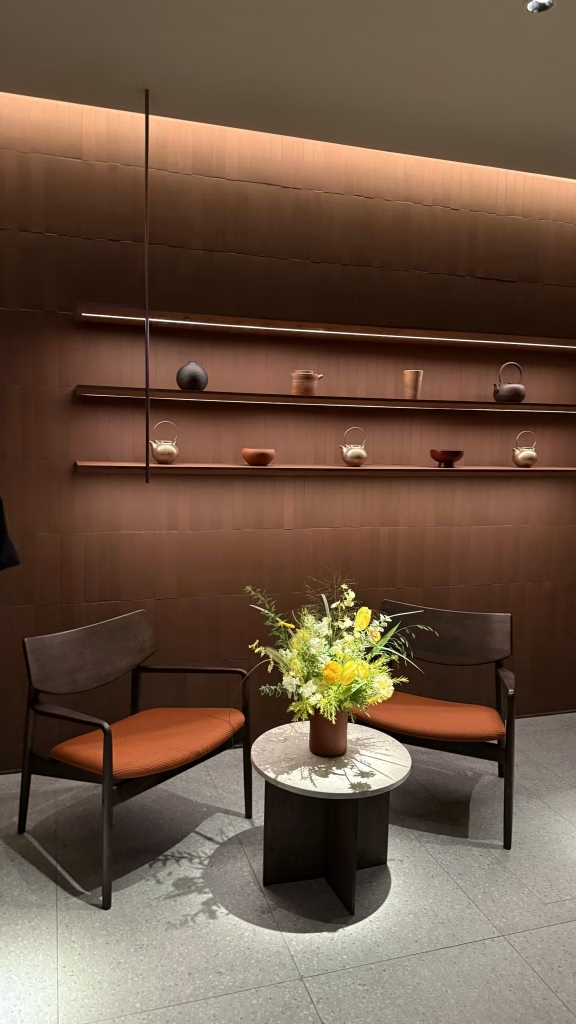
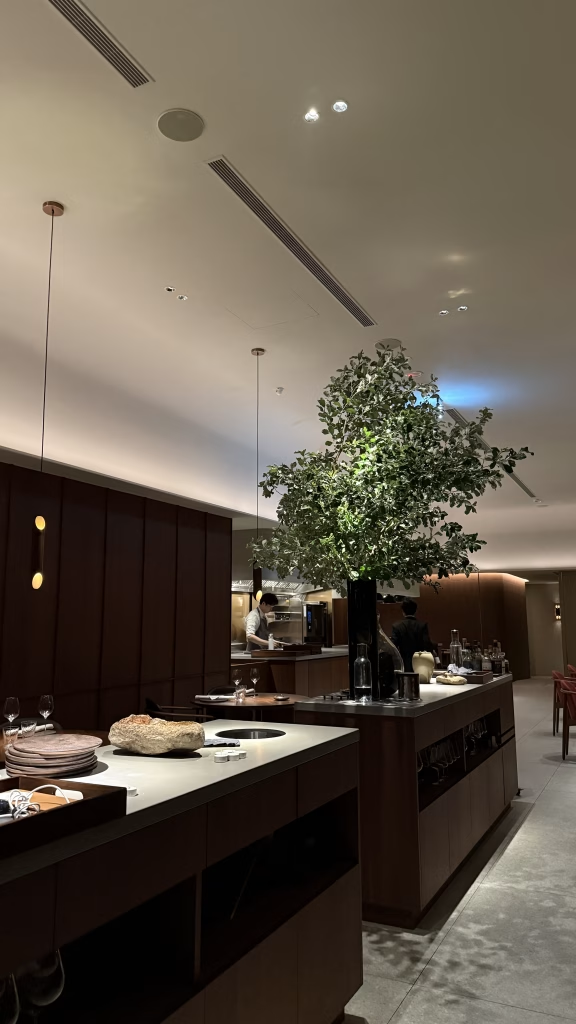
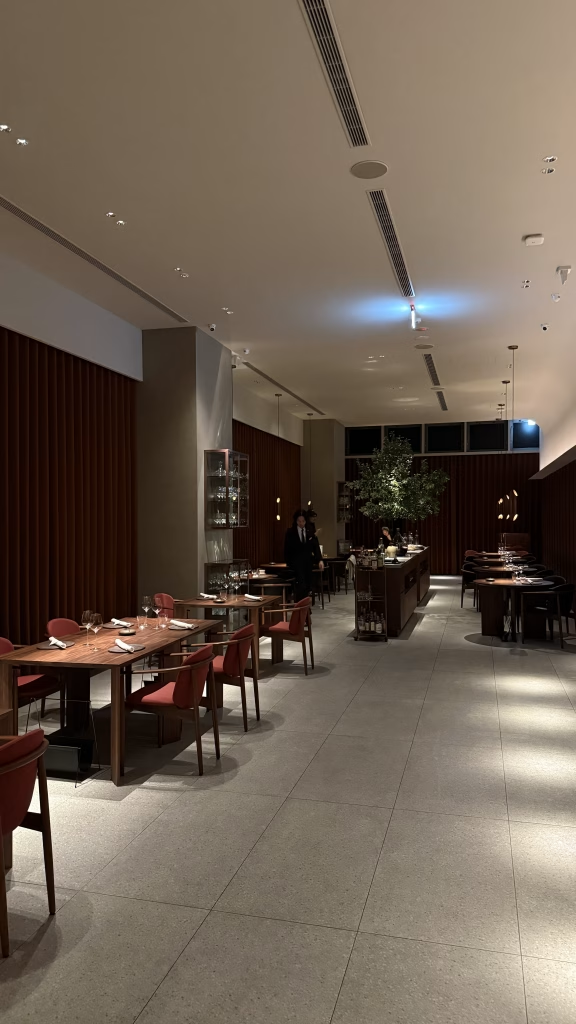
Walking into the restaurant, first pass through the waiting room with a calm atmosphere, and then transfer to the high and open dining area. The intertwined tones of brick red, gray and copper create a low-key but gorgeous atmosphere. The overall space design does show the pattern and texture that two Michelin stars should have.
#finedinning #Michelin Restaurant #French restaurant #Two Michelin stars
(Dining in June 2026)
Logy restaurant introduction and Dining experience
This time I clicked on the Tasting Menu, which is 4,750 yuan per person, and chose seven glasses of Pairing Drink, the price is 4,750 yuan, which is almost the same as the main meal, which shows how much the restaurant attaches to the pairing of drinks.
Cooking record
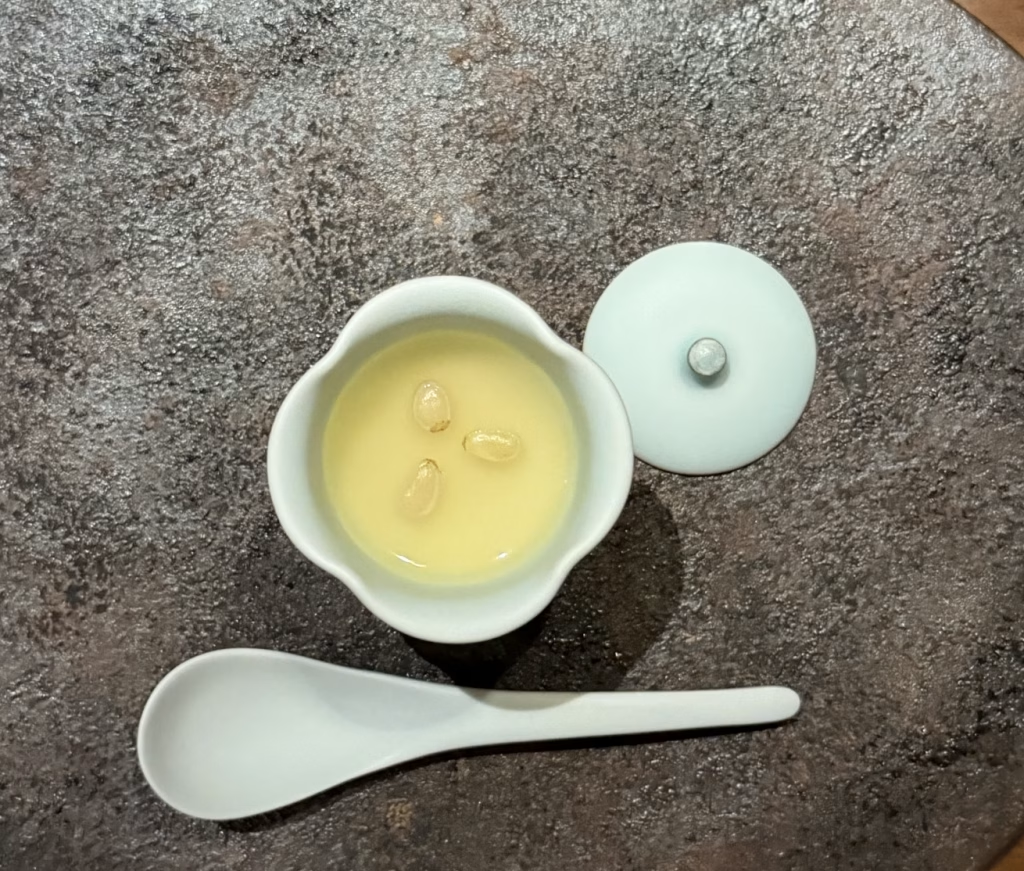
Homemade soy milk Tofu/Tomato Yogurt Cold Soup/Pine Nuts
The first appetizer is "homemade soy milk tofu/tomato yogurt cold soup/pine nuts"
The use of tofu familiar to Asians as a starting point is not traditional tofu, but the use of soy milk to reshape.
The chef solidifies the soy milk into a texture similar to cheese and mousse, showing a salty and fresh flavor tone. It is topped with a transparent sauce made of clarified tomato water and yogurt whey, which brings bright acidity as a balance, and the nutty aroma of pine nuts cleverly masks the tofu itself.The smell of bean curd is unstoppable.
This dish uses a minimalist approach to deal with the shortcomings of the ingredients, but instead highlights the advantages. It is a very clever opening technique, but it can clearly show the core concept of Logy's work.
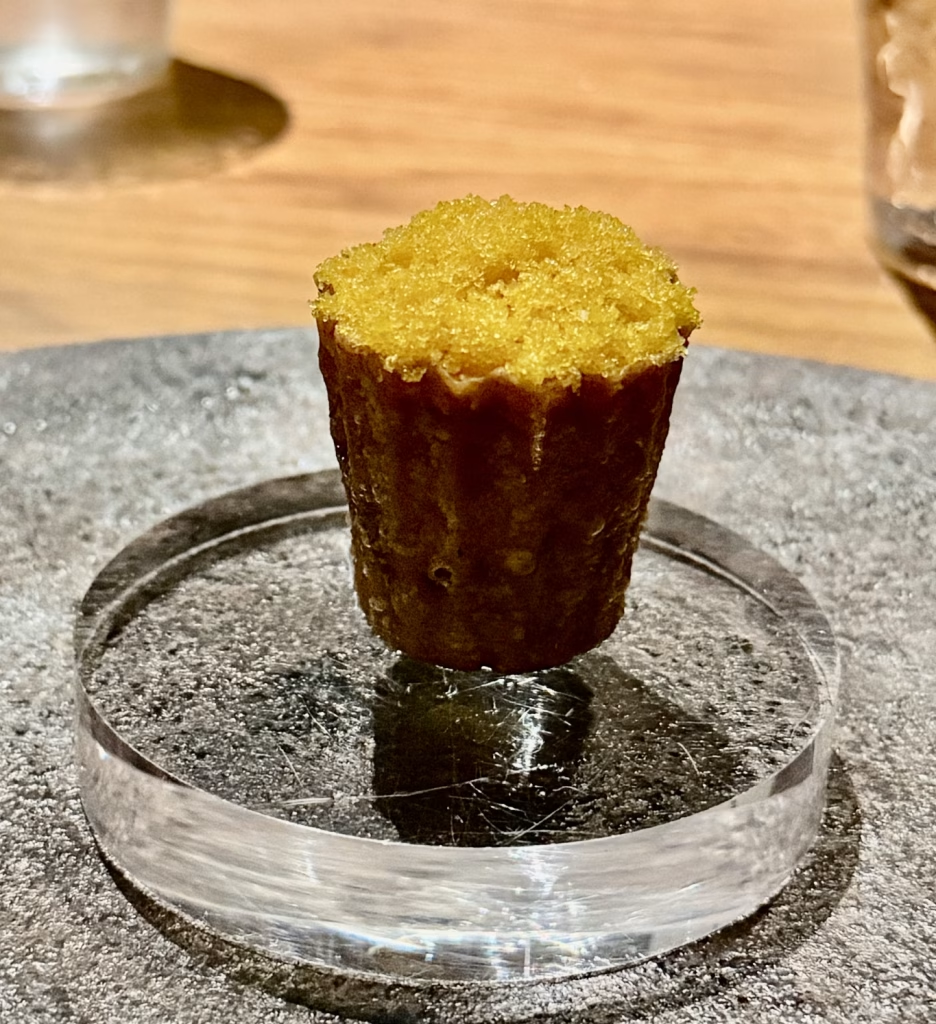
Golden Tower of Mullet Roe
Then there is the "Golden Tower of mullet Roe", inspired by the food context developed by early overseas Chinese immigrants to Malaysia and Singapore. The chef uses buckwheat to make the tower shell. The filling is Hokkaido raw food grade scallops, special flavor mayonnaise and creamy pumpkin puree. The top layer is covered with freshly shaved mullet roe.
The overall presentation is quite rich, but the salty and umami taste of mullet roe is too strong, which to some extent masks the original delicate sweetness and taste of scallops. It is a pity that this dish is a pity-if you can control the amount of mullet roe more accurately, you may be able to make the level of the two ingredients.More distinct.
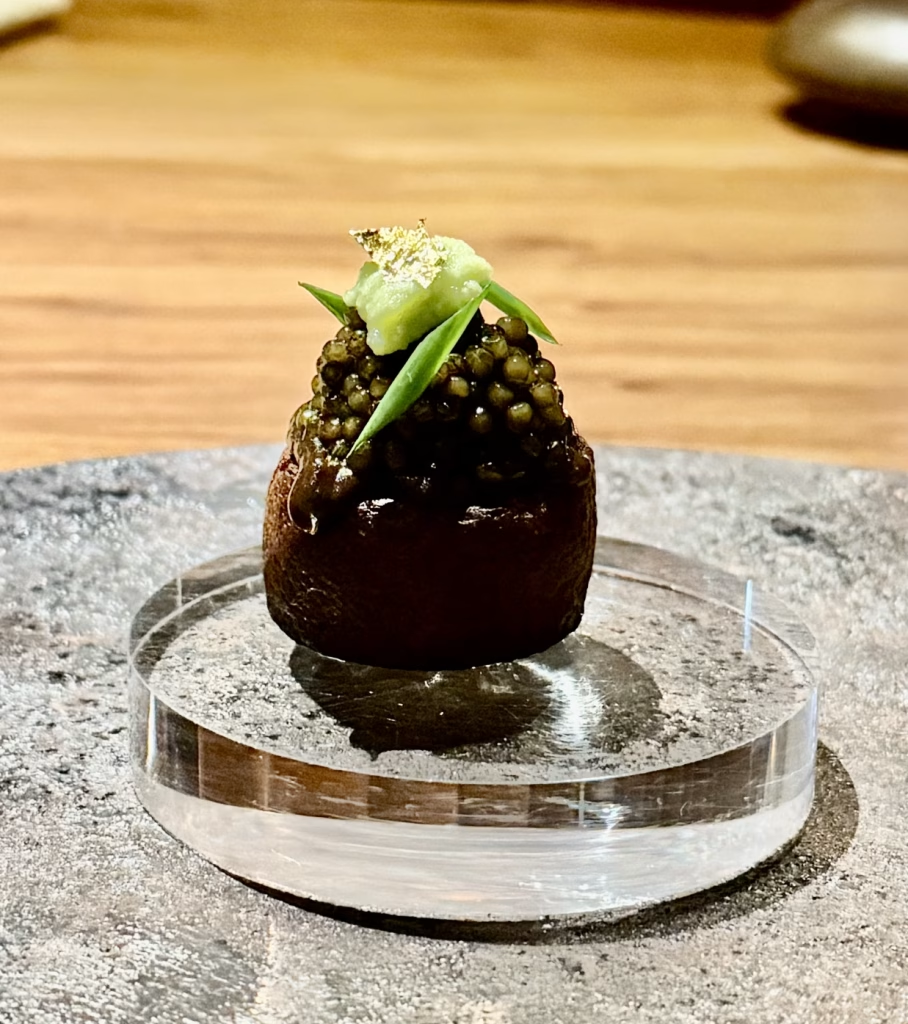
Kombu/caviar/mustard
The third course "Kombu/caviar/mustard" is a dessert that impressed me throughout the meal. Kelilu is paired with caviar. The mineral feeling of caviar and the saltiness of sea salt unexpectedly set off Kelilu's original caramel and vanilla sweetness to be more three-dimensional, no longer just sweet and greasy.
The moment the caviar particles burst into pulp in the mouth, it forms a rich taste level with the hard and crisp shell of Kelilu and the Q bomb inside. Coupled with the spicy finish of mustard, it is the first time I have experienced the combination of caviar and mustard. It is novel and bold, and it is the most creative highlight of this menu.One of them.
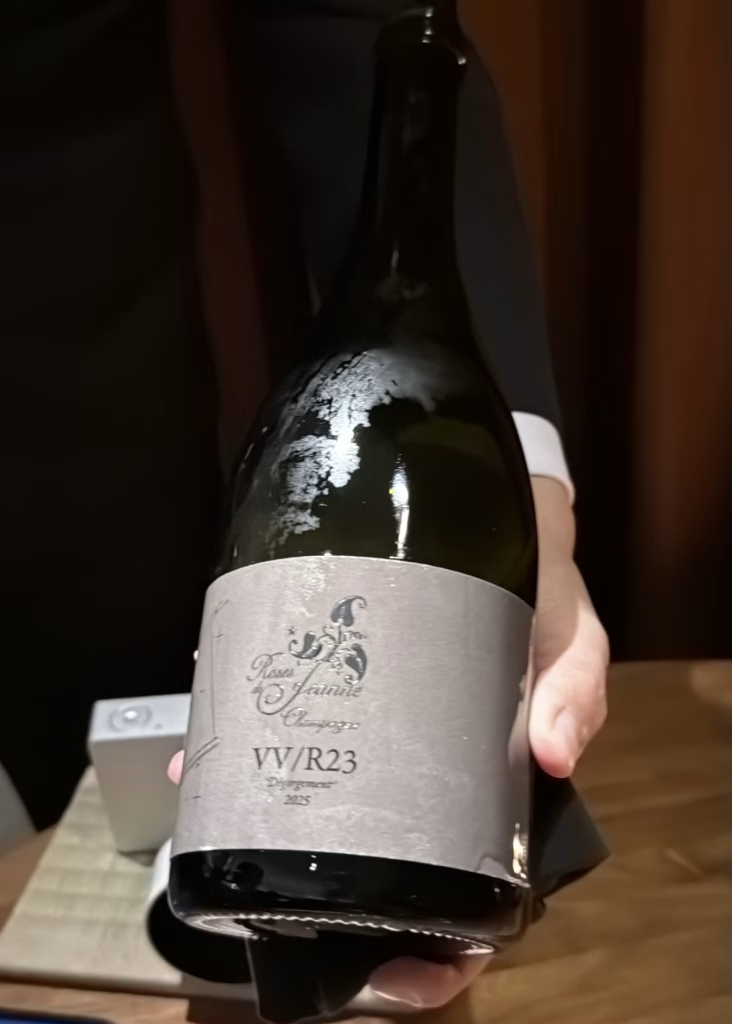
Roses de Jeanne Côte de Val Vilaine VV R23
The whole meal starts with a glass of champagne-Roses de Jeanne Côte de Val Vilaine VV R23, which is a 100% Pinot Noir black, medium and white champagne with fresh strawberry, red cherry, citrus and ore aromas. "R23" marks its slag removal year as 2023.
Starting with such a refreshing structure and bright acidity champagne, it really paves the way for the next layered dishes to pave the way for good taste.
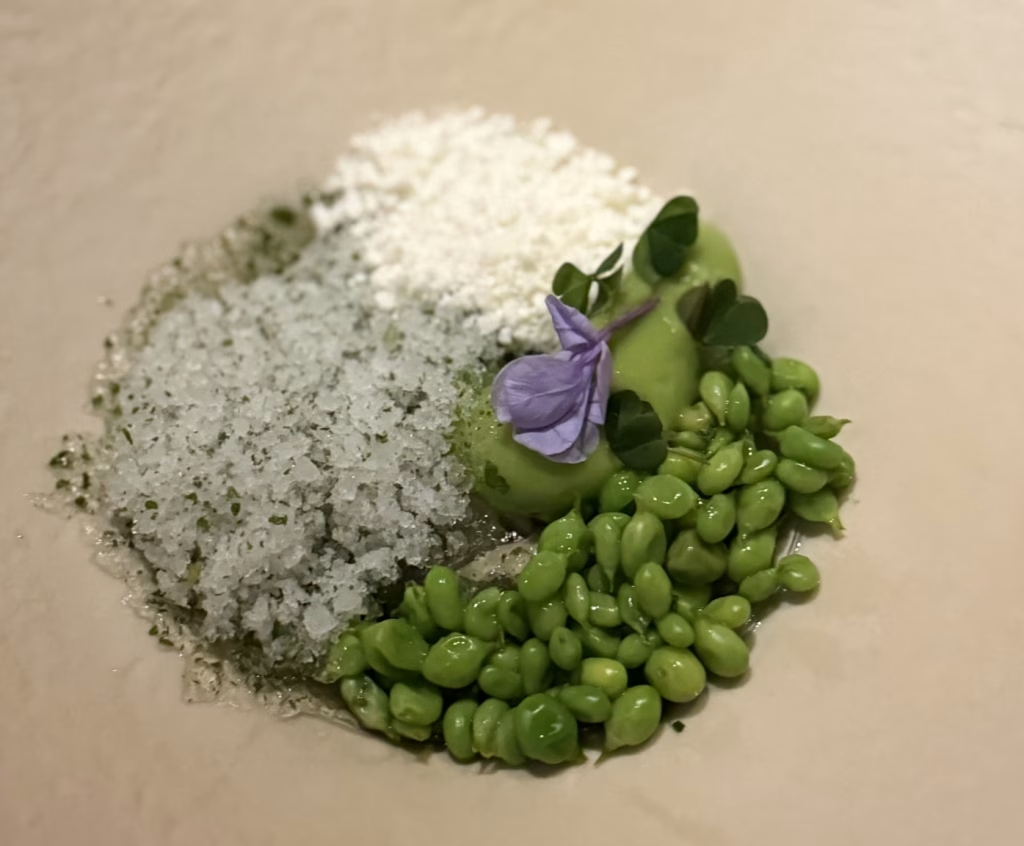
Oysters/sweet beans/Ricotta cheese
The cold cut part is "oysters/sweet beans/Ricotta cheese", using Hokkaido thick shore oysters with spring salad, the green part is made of fresh sweet beans, and paired with sweet bean paste and two different flavors of smoothies, the center is decorated with homemade Ricotta cheese, and the other side is fresh mint.
It is recommended to mix all the elements well and eat them. It will bring out a hazelnut-like aroma, but frankly speaking, the composition of this dish is slightly complicated, and the overall flavor is not clear enough. It is one of the more difficult to interpret in this menu.
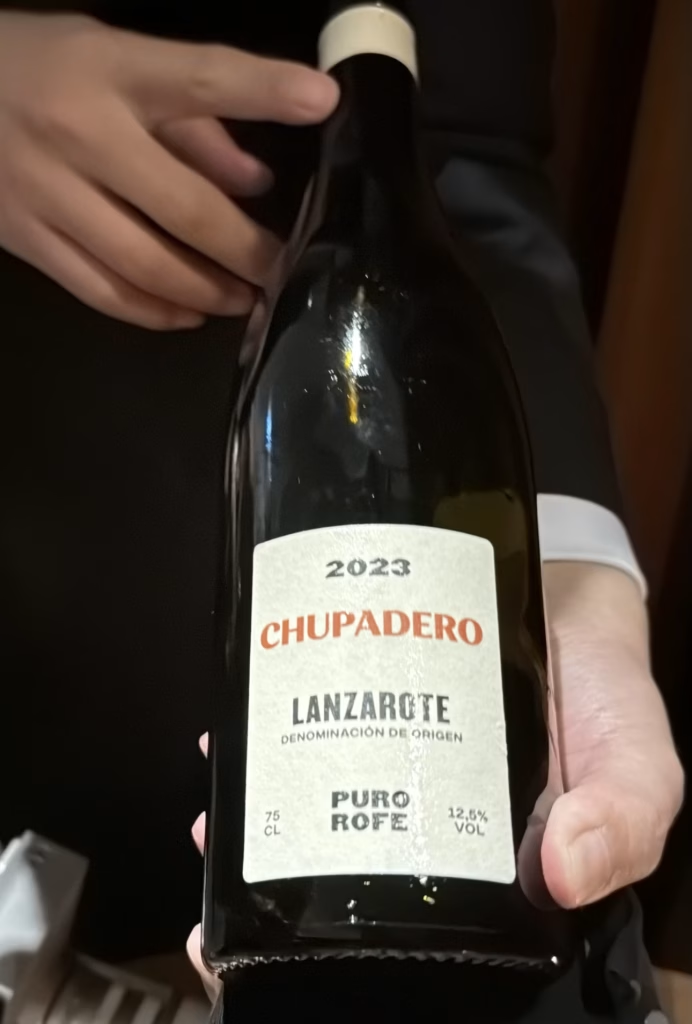
CHUPADERO Lanzarote Listán Blanco
The matching liquor is CHUPADERO Lanzarote Listán Blanco from Lanzarote, Canary Islands, Spain. This wine is made from Listán Blanco grapes grown on local volcanic rock soil and aged in 600 liters of old sherry barrels, showing a neurotic and tight ore feeling. It is a volcanic wine.A classic representative, echoing the aforementioned dishes with a maritime atmosphere.
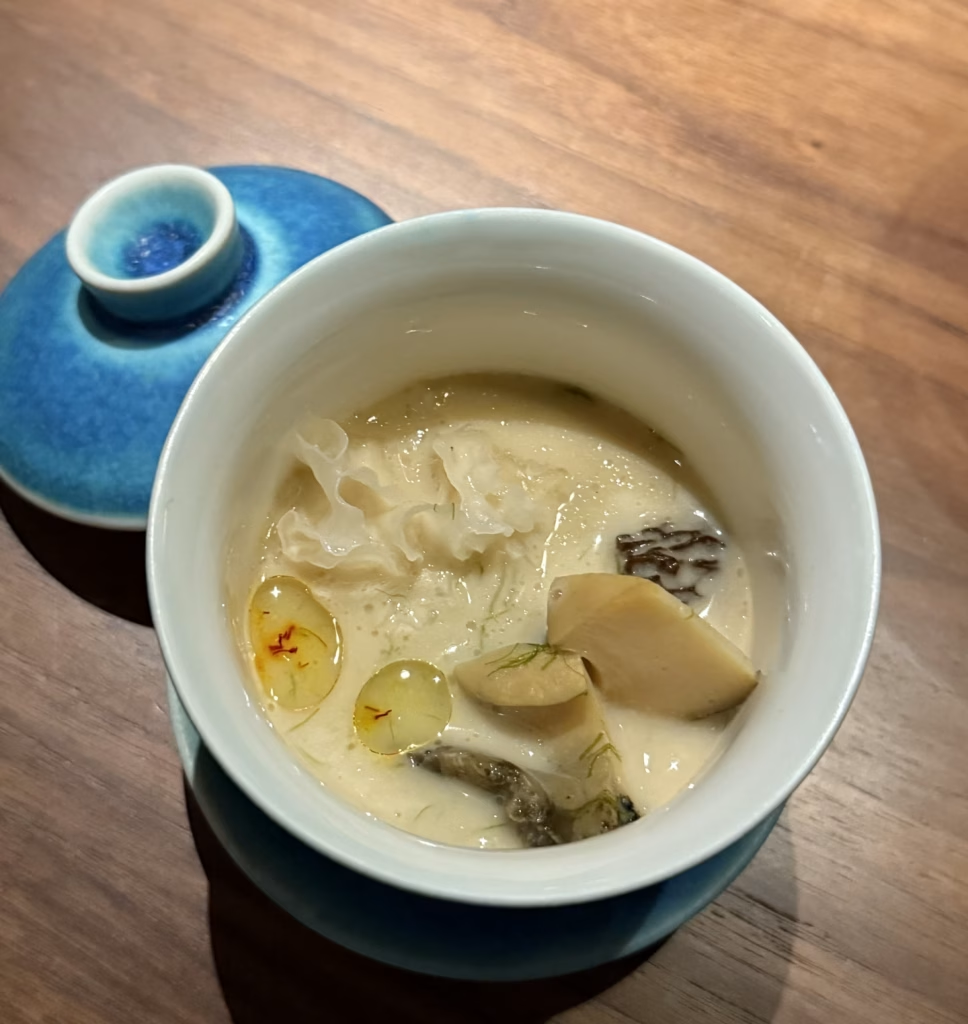
Abalone/morel/white fungus
The stock made from southern and northern apricots is the base, with a rich aroma of almonds, and the morels contain a second layer of soup made from horse mackerel, and finally topped with golden spice oil with saffron flavor.
The layering of this hot soup is extremely rich. The sweetness of almonds, the umami flavor of seafood stock and the aroma of saffron are intertwined. It is one of my personal favorites in the whole meal. It is matched with the ore of Grüner Veltliner and the citrus flavor, forming a quite harmonious echo.
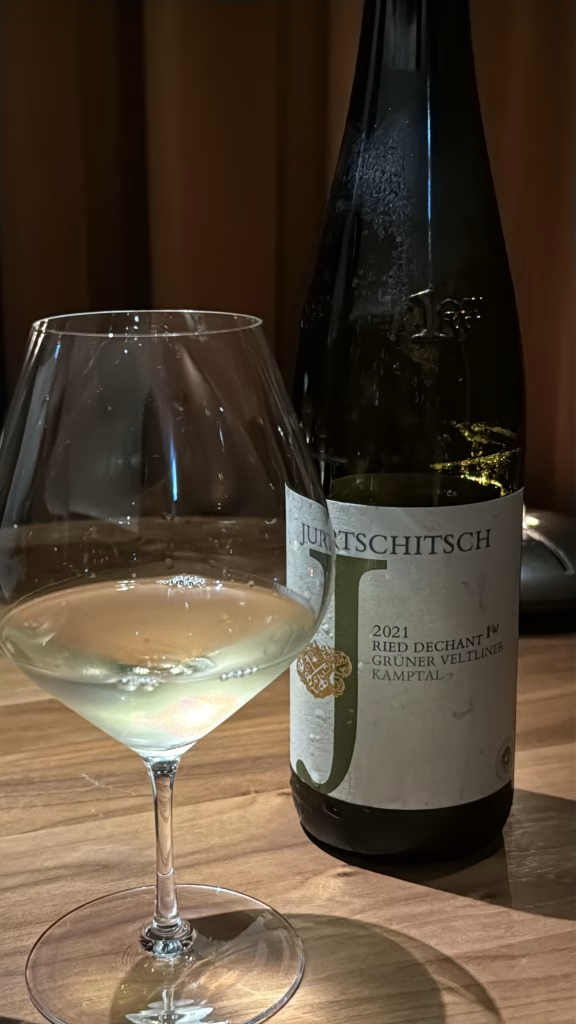
Ried Dechant 1ÖTW Grüner Veltliner
The next wine to appear is Ried Dechant 1ÖTW Grüner Veltliner from Jurtschitsch Winery in the Kamptal region of Austria. This is a premium garden wine from a single plot facing southeast. The aroma is mature, with grapefruit, apricot and nut aromas, as well as the spicy characteristics of beetroot and white pepper.
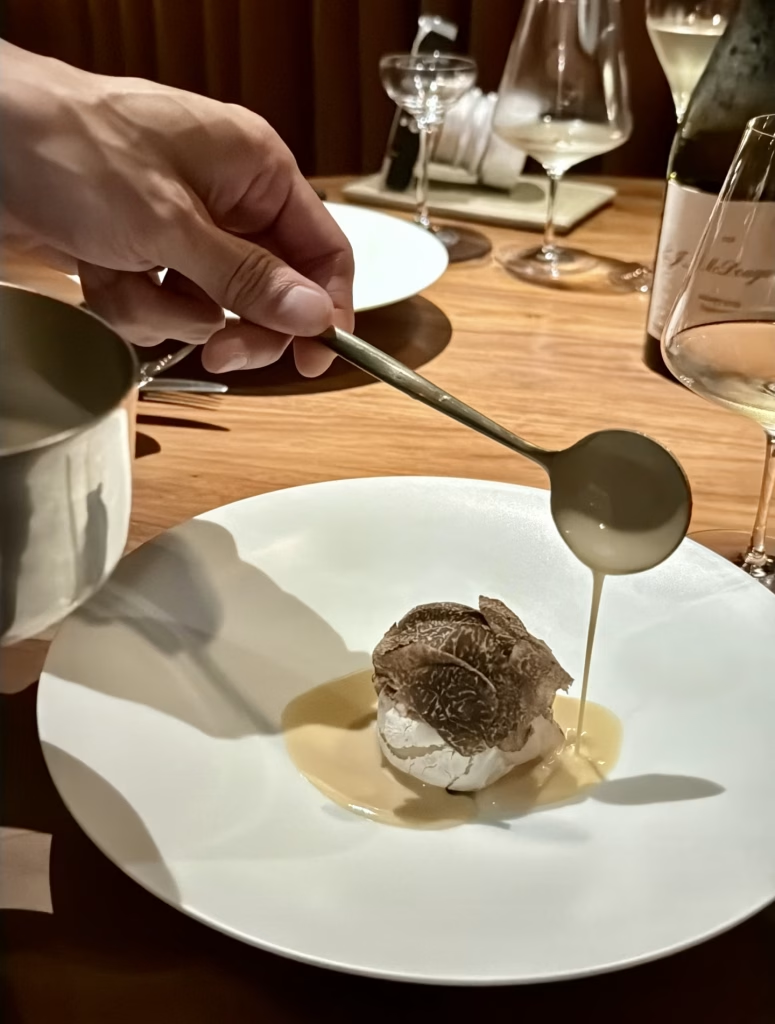
Mochi/black truffle/Mackerel
Mochi is made of white jade powder, which contains diced bamboo shoots to add texture. It is covered with straw-smoked mackerel and Australian black truffles. The sauce is a French white wine sauce made of Kyoto white miso and mozzarella cheese, which brings out a creamy feeling.
However, the overall combination of this dish seems to me to be somewhat conflicted-mackerel, black truffle and mochi have their own strong flavor and taste, but they have failed to find a clear intersection point. It is one of the more unbalanced in this menu.
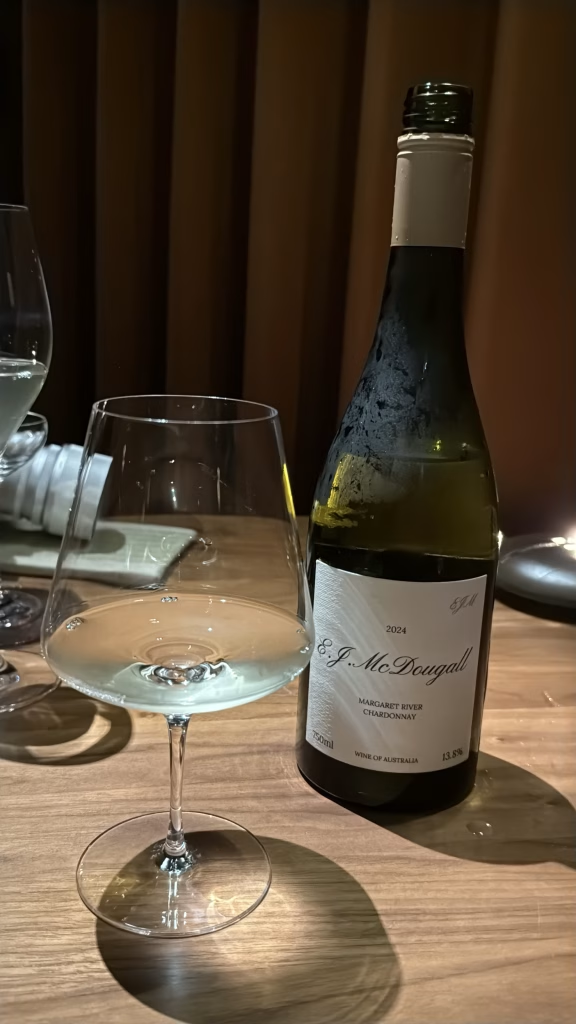
E. J. McDougall
The next Chardonnay is from E. of Margaret River, Western Australia. J. McDougall, is a high-end model of the winery. It has a full style, with tropical fruit aromas of pineapple and passion fruit, and has the finish of spices and creamy vanilla. The ore is obvious, and the whole is fresh and deep.
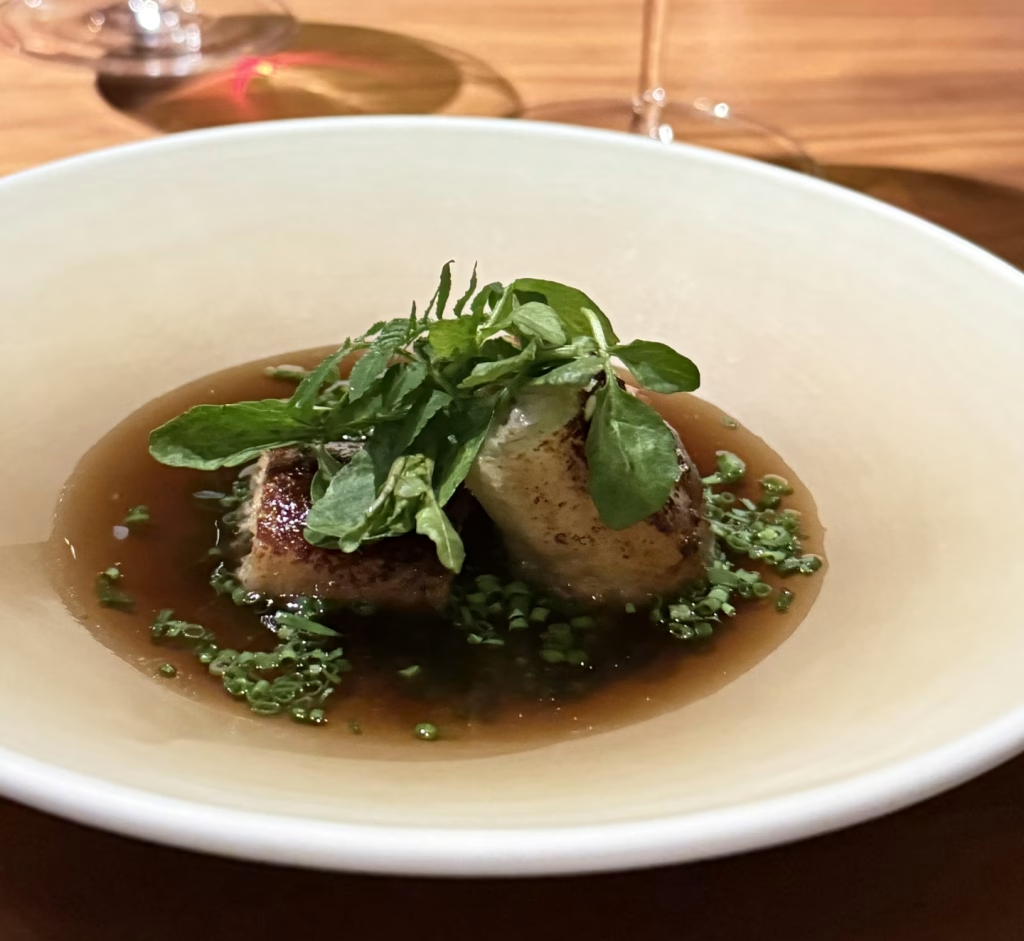
Eel/blue and white pepper/chocolate
This is Logy's classic dish. It uses Taiwanese Yunlin white eel to bake and fry in tempura technique. It is topped with a hot soup similar to mushroom stock. The blue and white peppers bring a slight acidity and numbness, and the bottom is covered with 100% Taiwanese chocolate.
The recommended way to eat is to taste the hot soup and the first piece of eel first, and then dip the second piece of eel in chocolate to enjoy.
The performance of the blue and white pepper soup is amazing, and the match with the tempura eel is just right. In the end, the bitter-sweet finish of the chocolate draws an unexpected but reasonable end to this dish. It is the one that surprised me the most in the whole meal.
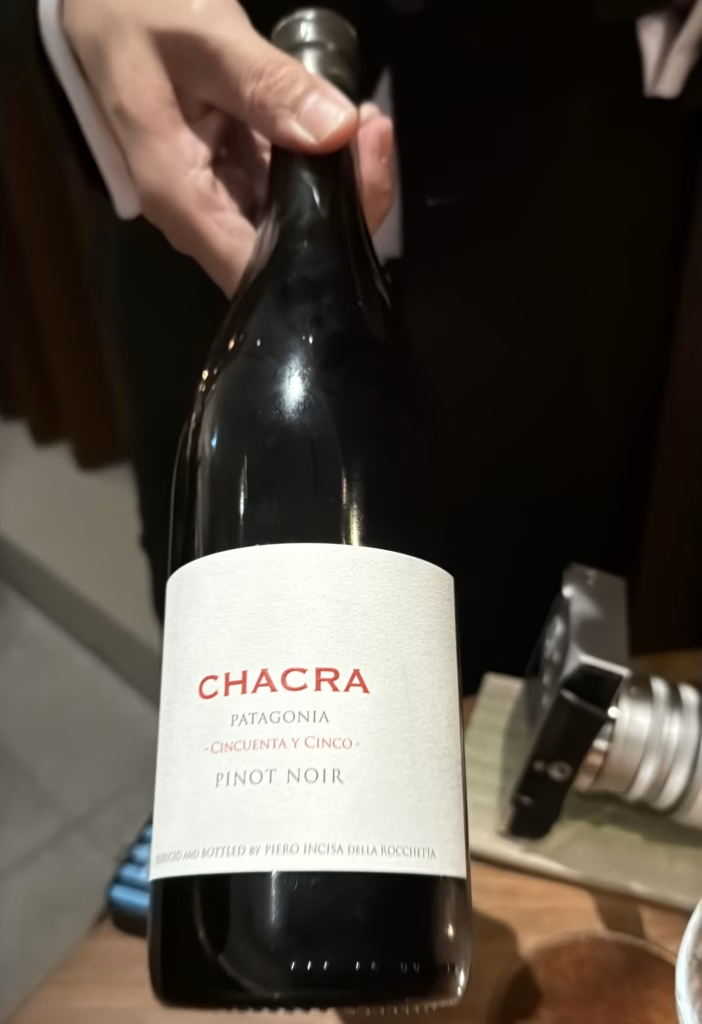
Pinot Noir Cincuenta y Cinco
The first appearance of the red wine part is Pinot Noir Sincuenta y Sinco from Bodega Chacra, Argentina. It is produced in a single plot in southern Argentina affected by the Antarctic climate. It was planted in 1995. It has the scent of tea and fallen leaves. The style is meticulous and has the characteristics of a cool climate.
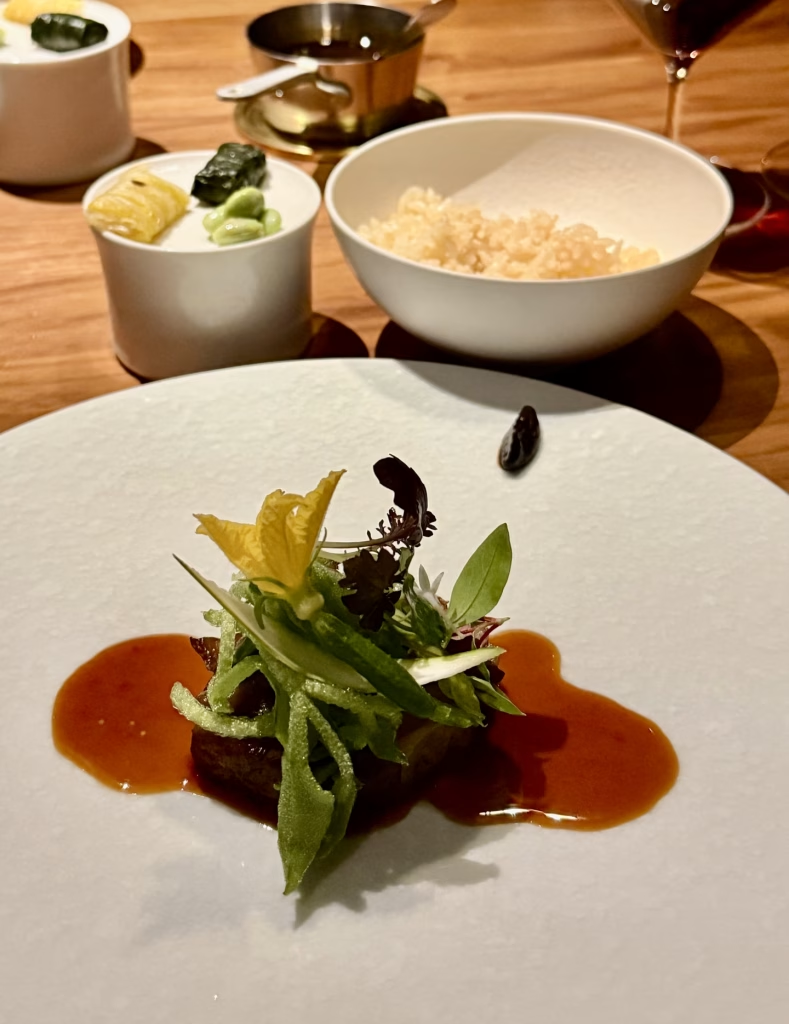
Lamb saddle/tea rice
The main meal "lamb saddle/tea rice" is Logy's signature dish, and it will appear on the menu in every round.
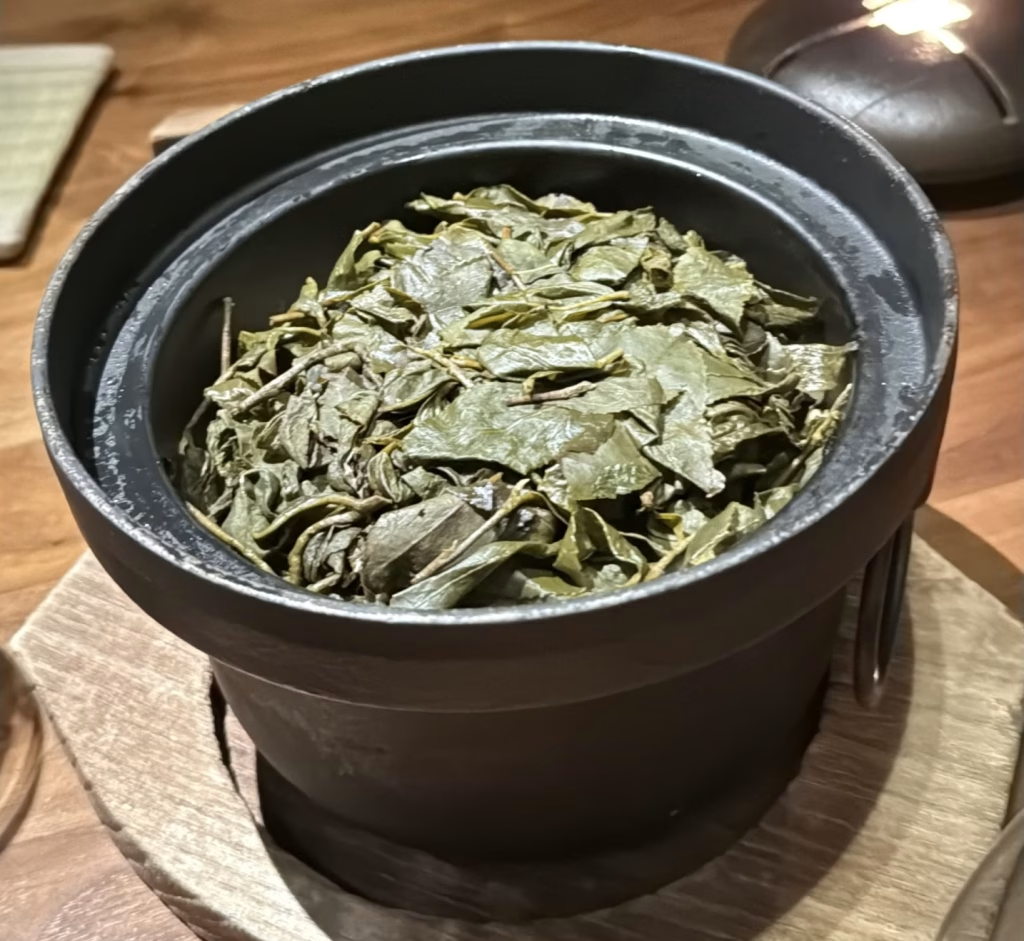
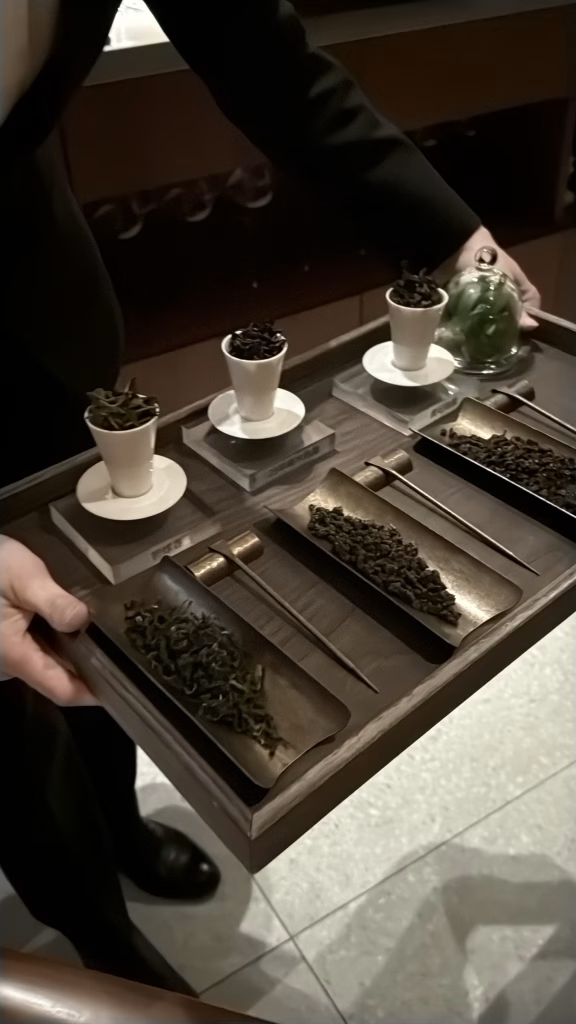
The tea rice is made from seven-star rice from Hokkaido, the chef's hometown, and brewed with Taiwanese oolong tea. The rice grains are amber in color, with white floral and creamy aromas. When serving, the tea leaves will be taken out and the rice will be served. Present.
The lamb is selected from the saddle of the New Zealand Highland lamb, the meat is soft and tender, and it is paired with seasonal salads and ice flowers to bring a refreshing and crisp contrast.
There are two types of sauces: one is a spicy sauce made with 18 kinds of spices and Chinese medicinal materials, which has a rich aroma but not spicy; the other is a black sour sauce made of spicy watercress, which has a clear spicy feeling.
Side dishes include Korean-style sesame leaf-wrapped sweet shredded radish, tofu-flavored edamame and homemade pickled cabbage.
It is recommended to taste the original tea and rice first, and then drizzle with spicy sauce to enjoy together.
Overall, the aroma and taste level of tea rice are indeed stunning, which is the soul of this dish; but the fishy smell of the lamb itself is slightly heavier, compared with the tea rice and sauce so carefully designed, it is a pity. If you can pay more attention to the pre-treatment of lamb, this dish will be better.The signature main course will be even more perfect.
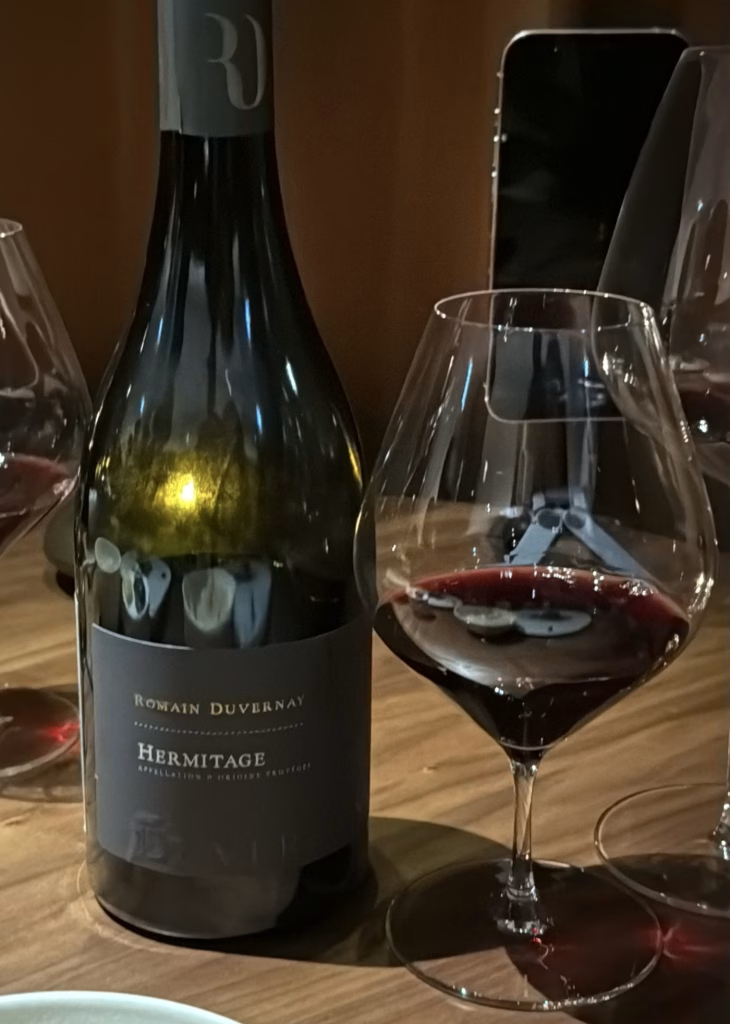
Romain Duvernay Hermitage
Then there is Romain Duvernay Hermitage from the Hermitage region in the northern Rhone Valley of France. It is 100% Syrah brewed with dark berries and spices. It is produced by a very representative winery in the Rhone region. It has a grand structure and good aging potential. It is usually considered a classic match with red meat dishes such as lamb.
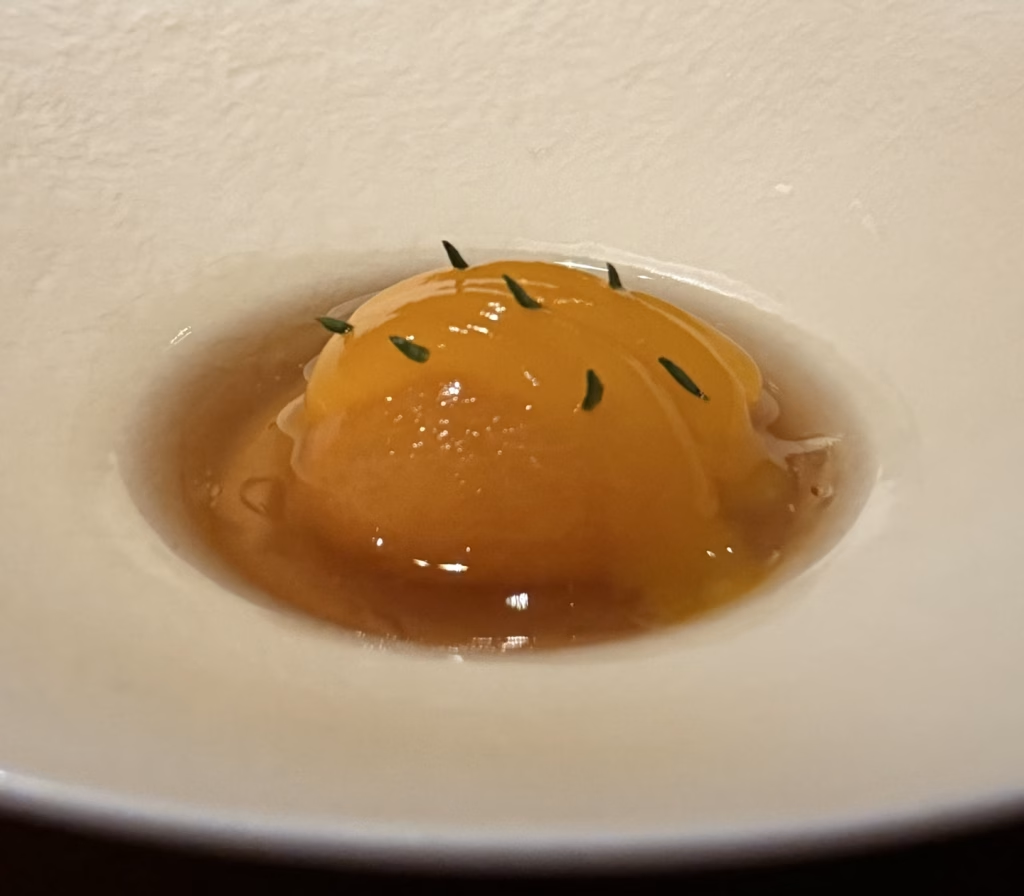
Loquat/Oriental Beauty Tea/Hops
The first dessert, "Loquat/Oriental Beauty Tea/hops", takes Nagasaki loquat as the main character. The bottom layer is matched with tea jelly made of Oriental beauty tea and IPA-flavored soup with obvious hops aroma. The herbal fragrance of thyme is dotted on the top, and the overall tea, fruity and hops aromas are intertwined.The complexity level is quite an interesting dessert attempt, which perfectly echoes Riesling's sweet acidity.
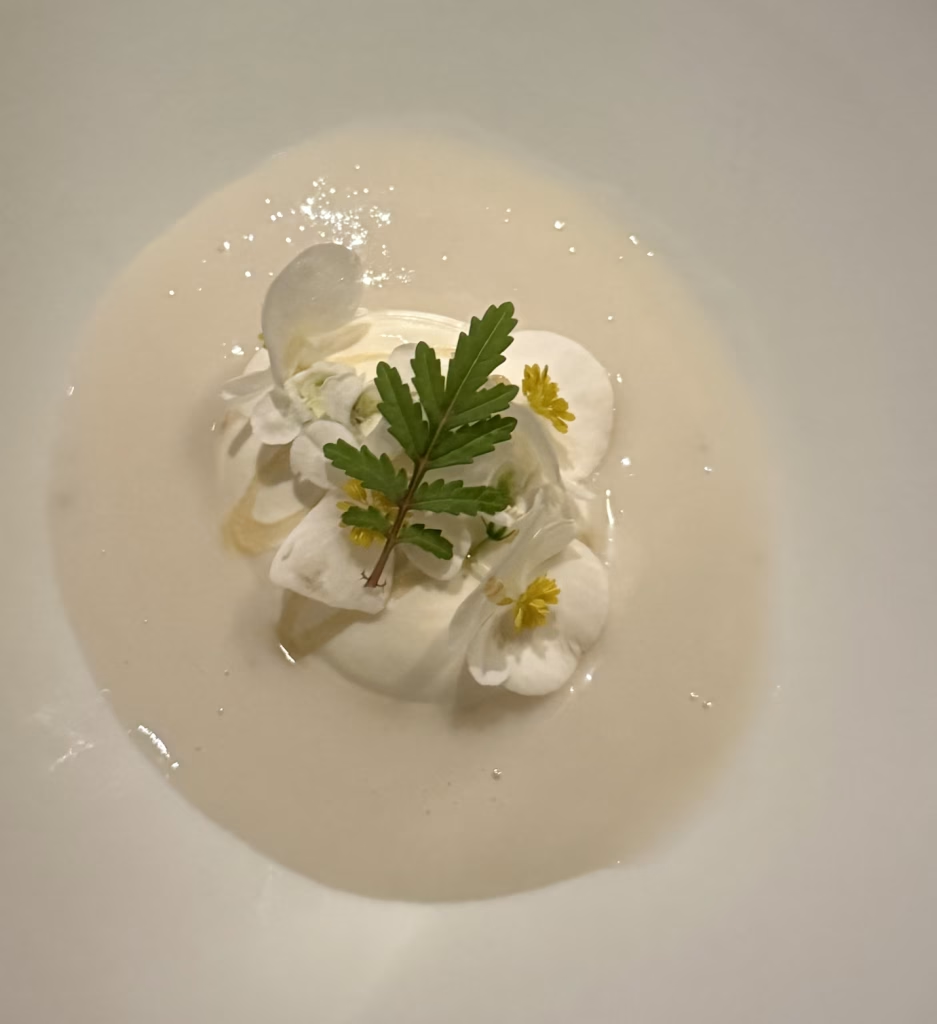
Chamomile/white asparagus/Lavender
The second dessert "Chamomile/white asparagus/lavender" is an ice cream dessert. The chamomile-flavored ice cream is paired with a cold soup of white asparagus and lavender. The aroma is rich, and it is accompanied by nectar, white begonia flowers and chrysanthemum grass. Overall, it shows the elegant finish of a floral dessert.
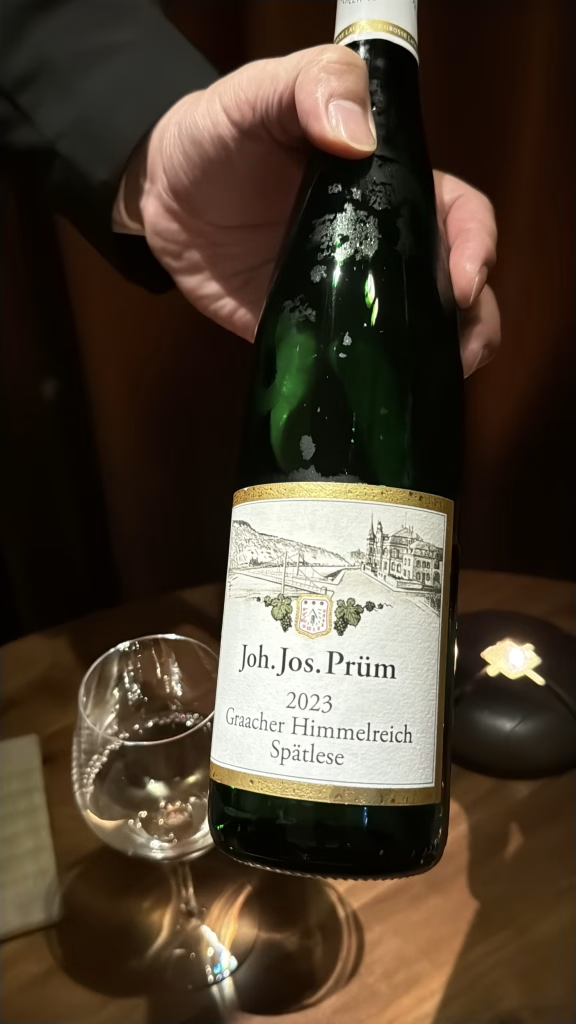
Graacher Himmelreich Riesling Spätlese
The dessert session is based on a team from the Moselle region of Germany, Joh. Jos. The Gracher Himmelreich Riesling Spätlese from Prüm Winery, the 2023 vintage, belongs to the late noble rot grade and comes from a single plot known as the "Paradise Garden". It really tastes like it has a heavenly sweetness and acidity balance. It is the wine of the whole meal that I personally think is the most worthy of collection.
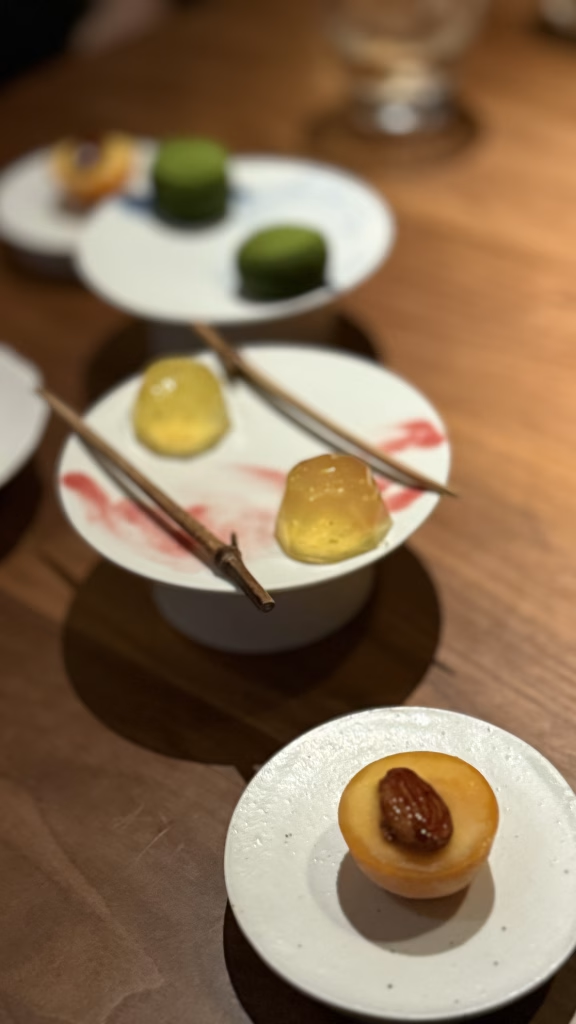
Petit Four
The final Petit Four is composed of golden jujube custard, matcha pagoda and konjac, which serves as a light and varied end to the whole meal.
Final Thoughts
Looking at the entire Tasting Menu, Logy does take the route of creative cuisine. The combination of many dishes is refreshing, and some dishes even require the chef's explanation to fully understand the context of their design.
Overall, "Abalone/morel/white fungus" and "Eel/Blue and White Pepper/Chocolate" are the two most successful and memorable dishes in my personal opinion. Both the flavor level and the creative presentation are just right; and "Mochi/black truffle/mackerel" and "Oyster/Sweet bean/Ricotta cheese" is relatively unbalanced, and there is a lack of a clear main axis between flavor elements.
In terms of wine pairing, from champagne, white wine to red wine, to German Riesley as a dessert wine, the overall matching logic is clear, and each wine has its own personality and backstory, especially Joh. Jos. Prüm's Riesling Spätlese performs well whether it is drunk alone or paired with desserts.
As for the dining environment, the dim lighting and calm atmosphere do create the atmosphere that a high-end restaurant should have, but there is still room for service dynamics to be optimized.
For example, when the service staff performs actions such as pouring sauce, it is easy for the dominant hand to stand in front of the guests. If the orientation of the guests' seats can be adjusted so that the actions of serving and cooking can be carried out within the line of sight of the guests, the dining experience will be further enhanced.
In addition, although the table distance is not close, the sound of conversation at the next table will still be heard, and the volume of some dish explanations is also too low. If these details can be adjusted, the overall immersion will be more complete.
Overall, Logy provides a very rare and exploratory dining experience, especially suitable for gourmets who like to try novel combinations and are interested in the cross-border interpretation of Asian food culture, especially for foreign customers who pursue freshness. For the group, it will be an impressive food tour of Taipei.
Rating and Cost
- Price|Tasting menu $4,750/person, pairing with 7 glasses of wine $4,750
- Rating: 7/10
Restaurant information
- address:1F, No. 39, Lane 258, Ruiguang Road, Gangqianli, Neihu District, Taipei City
- Reservation:https://logy.tw/cn/reservation.html
What other restaurants in your mind are worth visiting again and again?
This meal is fully self-financed.