Content table of contents
Before going to Hosu, I was actually a little wary of "talking about Taiwan with a set menu"-too many restaurants use "local" as their slogan, but the dishes haven't kept up. After eating this time, you can directly draw conclusions: if you want to bring a foreign friend and use a meal to make him understand what Taiwan is, it is good to be the first in my heart; but if you are like me at the general table next to the bar, the service gap will make this meal.One piece of rice is missing. I give 8 points overall.
Taipei Cuisine, Da'an District, one Michelin star, Green Star, Fine Dining, Taiwanese cuisine, wine Pairing, Hosu
(Dining in July 2026)
About the Restaurant
Haoyu is run by chef Ian Lee and his wife Miki Hsu. It was formerly known as the "No. 1 Island Kitchen" in 2012. It will move to a new location in Section 4, Renai Road, Da'an District in the winter of 2024. Ian is a self-taught chef who was born in the Department of Chemical Engineering and only entered the industry after being discharged from the military. The store follows the Taiwanese terroir route of "Shanhai Chuanyuan". The use rate of domestic ingredients is claimed to be nearly 95%. It also does a recycling plan for food waste composting. This is also the first time they have won Michelin for three consecutive years (2023-2025).The confidence of Green Star.
In 2025, Hosu will receive three awards of Green Star, sommelier Award, and one Michelin Star from Xinco at a time; sommelier Chen Qirong's "Taiwan local wine pairing" is one of the store's signature dishes-this time I ordered a non-alcoholic pairing, so the local wine partI'll leave it for the next time, this article will not be written as a personal experience.
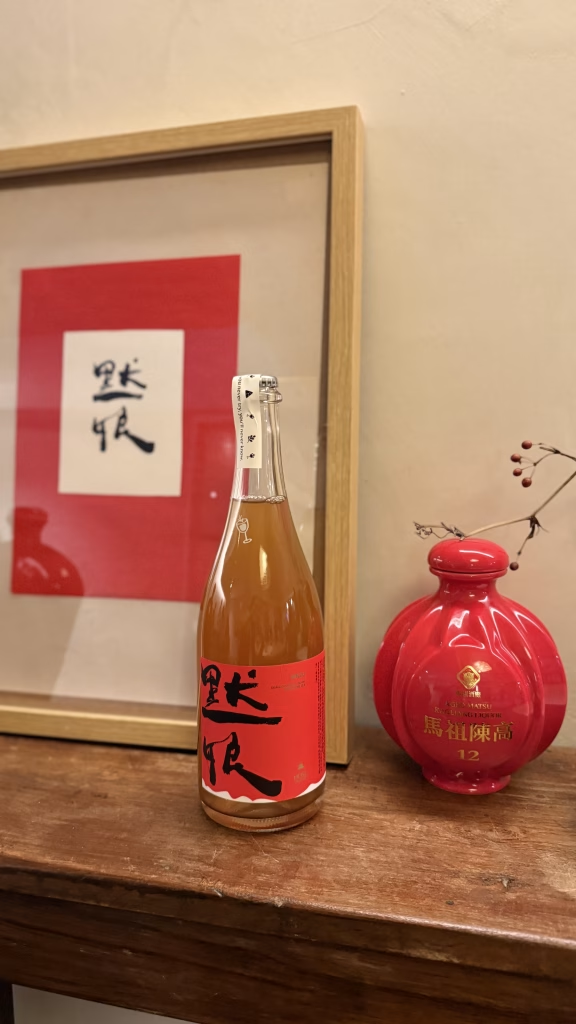
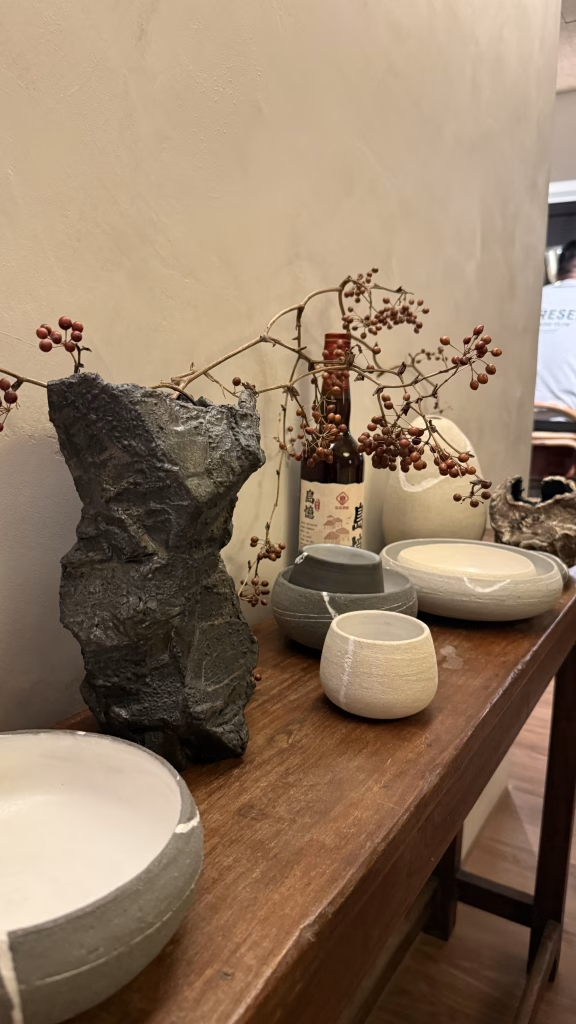
The space itself is also a work: serpentine tabletop, tile wall, brick-red counter transformed from a traditional stove, even rice bowls, knives, and fragrances are all made by Taiwanese professionals.
Entering the table is a ceremony: first draw a lottery
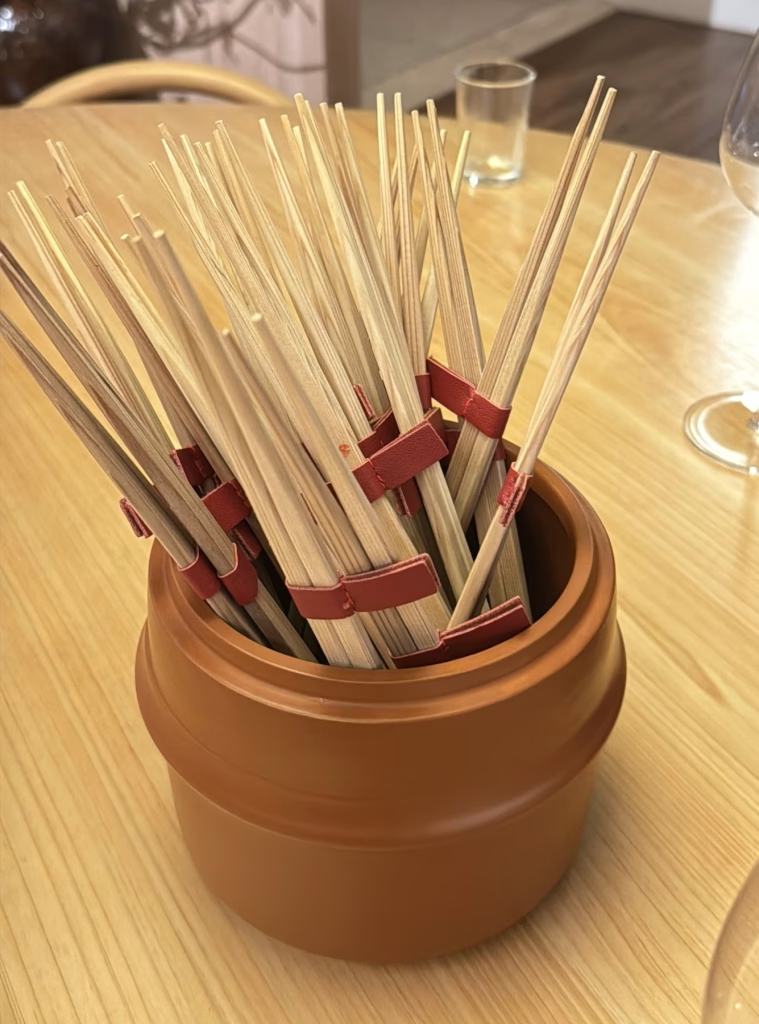
The Fortune Stick
The Meal Begins with a Ritual: Drawing a Fortune Stick
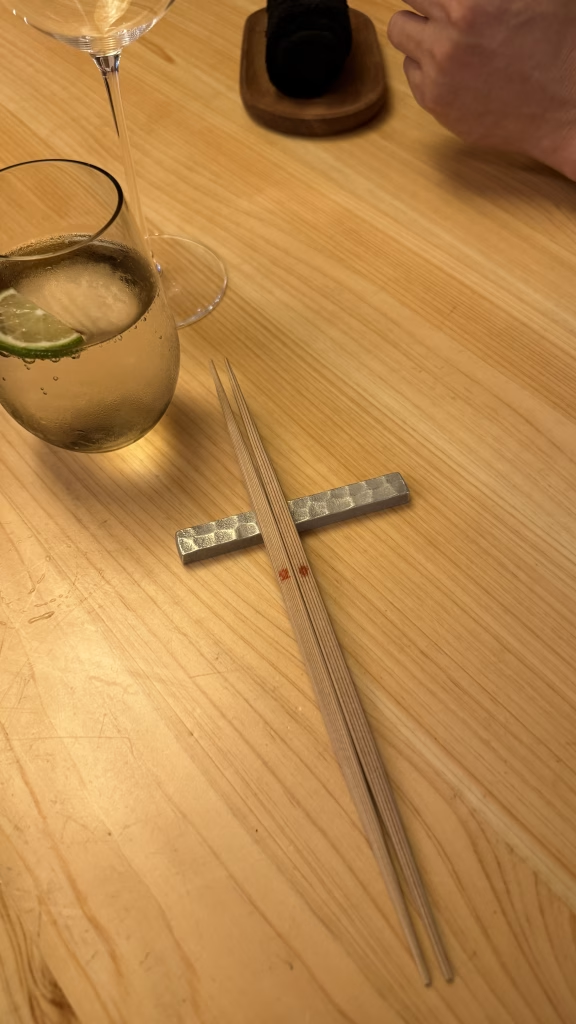
I drew the "No. 1 label" of Tongxiao Gongtian Palace, and even the chopsticks were faintly printed with the word "one".
Turning the palace and temple sign-seeking ceremony into an entry ceremony, the opening is set very accurately-you know that the next meal is not "Taiwanese dishes", but a complete set of narratives with the theme of Mazu's incense.
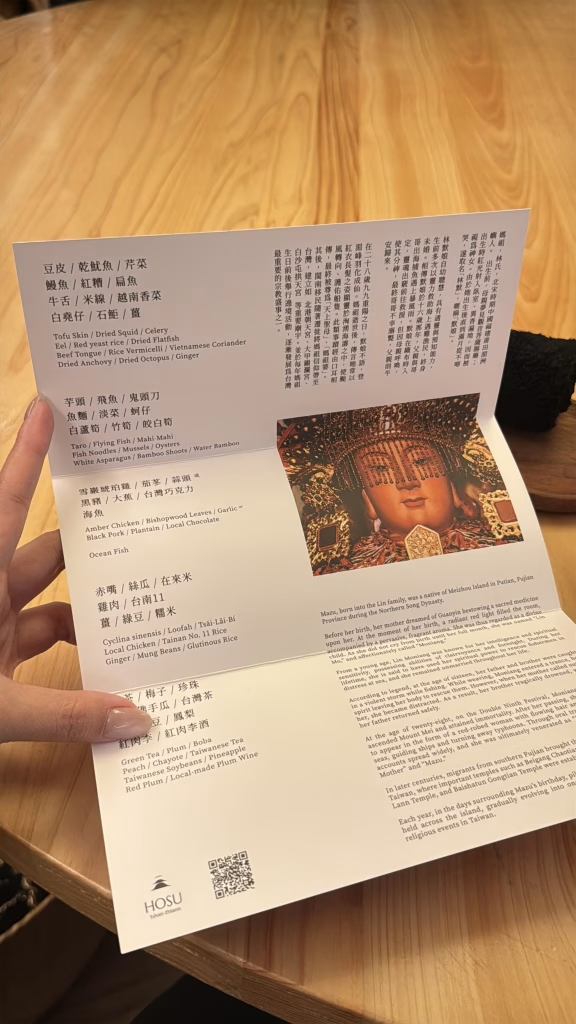
The menu is printed with the life of Mazu. The chapter of this season is called "Mazu Sheng" (March 23, Bingwu Year, May 9, Mazu Christmas in the national calendar). The whole set of dishes revolves around the pilgrimage, sacrifice, and harvest from all over the world.
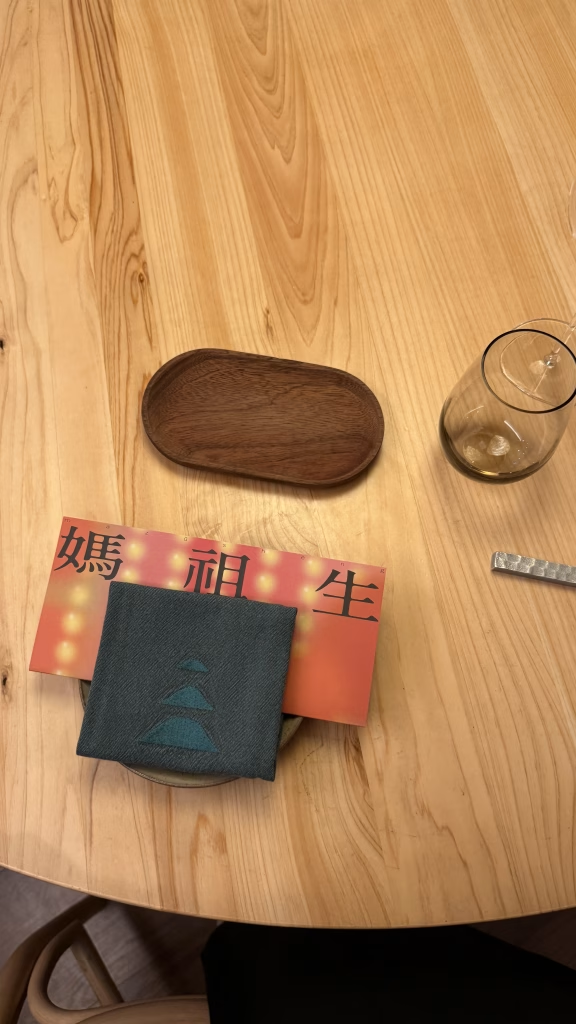
About this alcohol-free pairing
This time I am taking 4 non-alcoholic drinks (NT$1,400/person). Let's start by saying: these 4 cups are not the plain water characters included with the meal, but the 4 episodes that follow the theme, each corresponding to a sacrificial scene. I will talk about it cup by cup in the corresponding paragraph later.
Welcome Drink
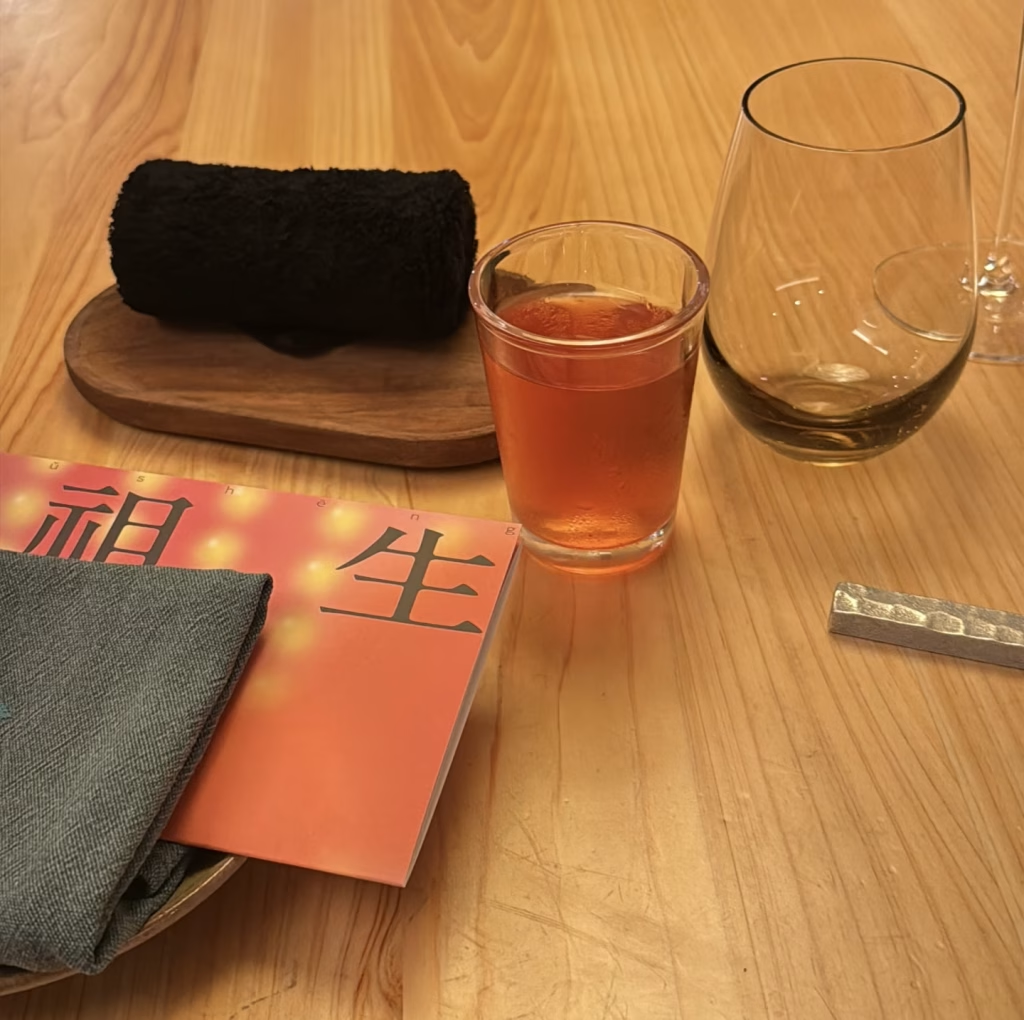
The red joy drink made of Luoshen, rose, jasmine and clear tea first lays out the color of the festival for the whole table.
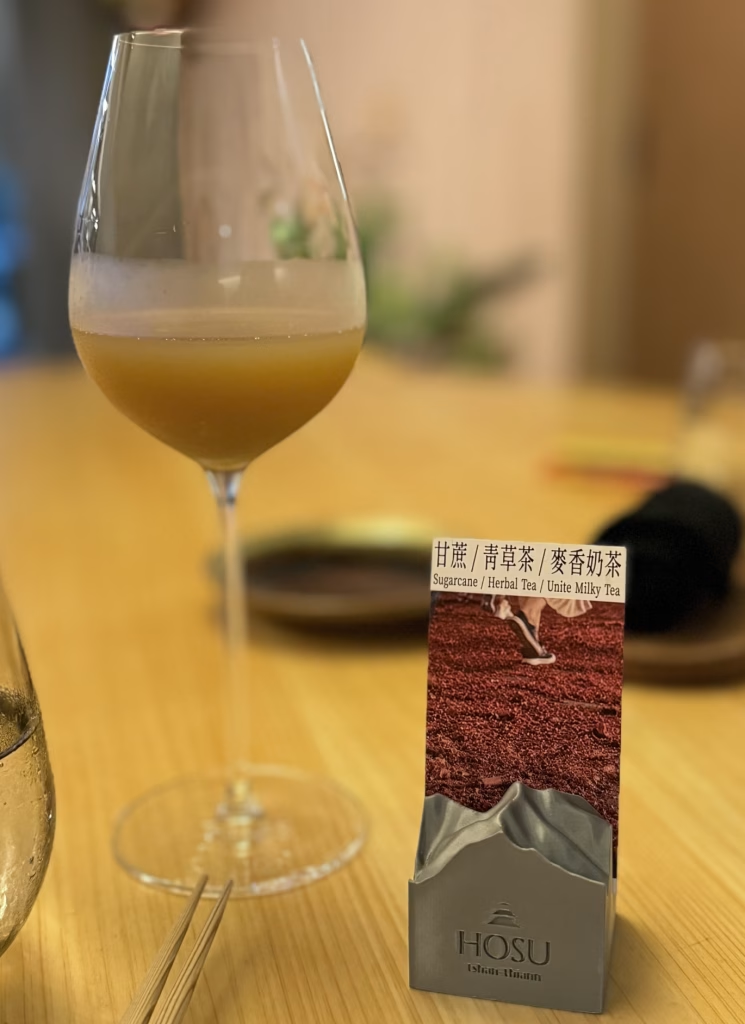
Non-Alcoholic Pairing #1|Sugarcane / Herbal Tea / Barley Milk Tea
What really made me sit up straight was this first cup.
Firecrackers are printed on the introduction card, and the main tone is for the most common maixiang milk tea on the table. Throw two ice cubes made of sugar cane and blend with herbal tea.
The wonderful thing is that it will "grow up"-the ice melts, the sweetness of sugar cane floats up little by little, and the taste of a glass is different in the end.
Using drinks for the table as the opening, taking into account the concept and good taste, is a very smart move.
Four Opening Bites: Taiwan's Four Ethnic Groups on One Table
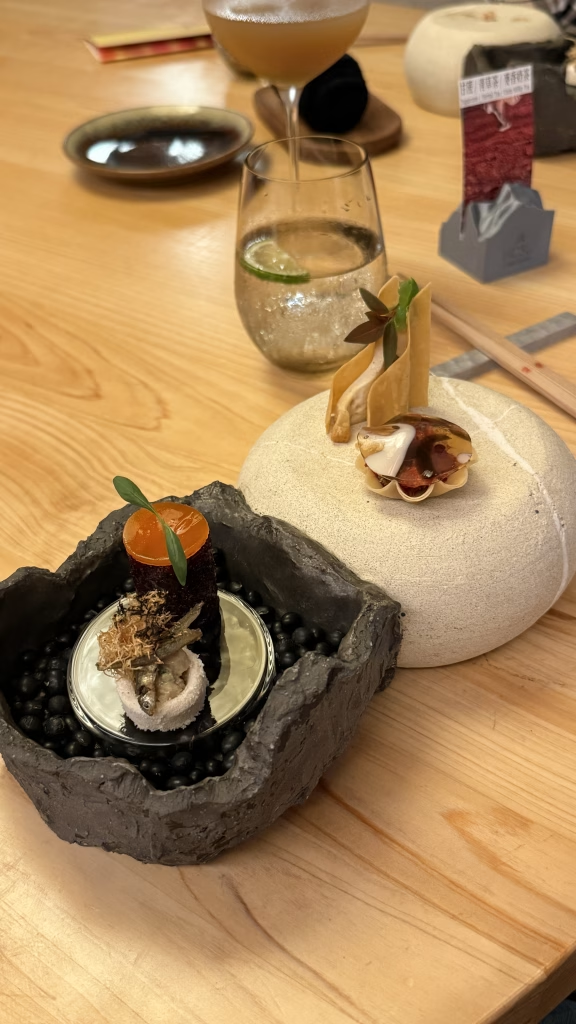
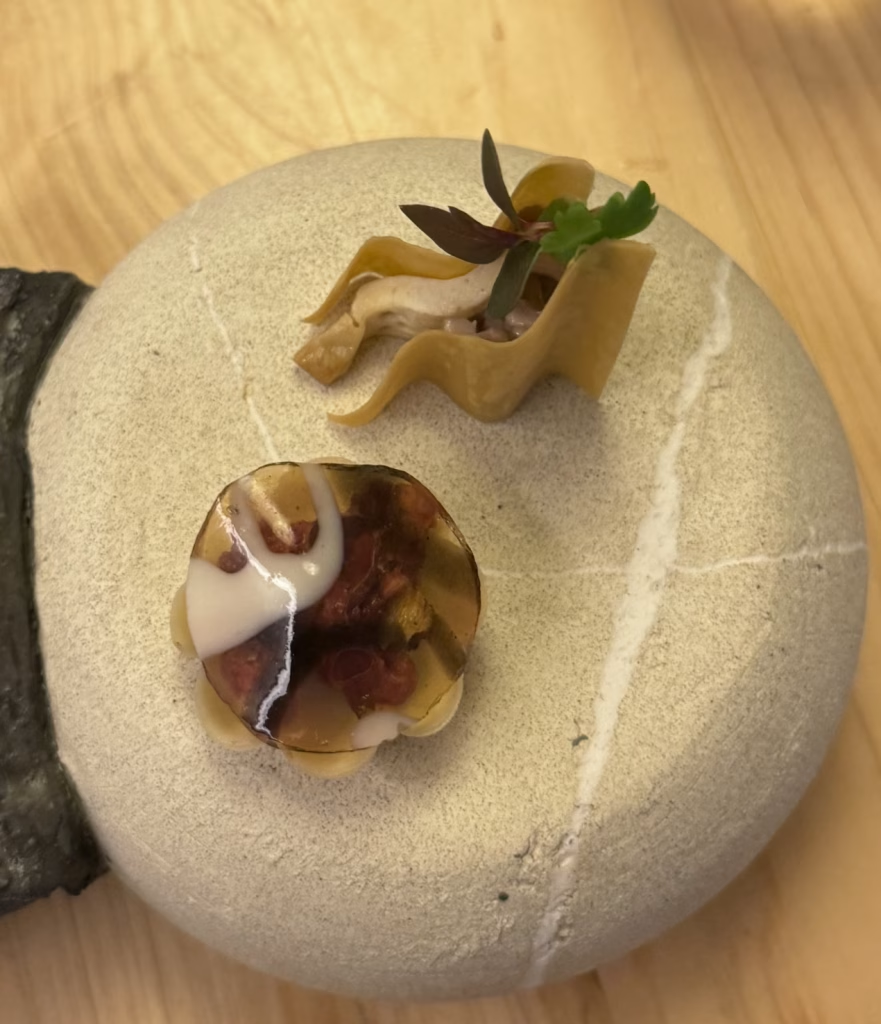
Bean Curd Skin / Dried Squid / Celery
Represents Hakka.
Inspired by Hakka small stir-fry, it is composed of dried beans, Qianzhang, tuna and pork mayonnaise, squid, and celery. The base is made into the shape of a flag flying in the fragrance group.
Eel / Red Yeast Rice / Dried Flatfish
Represents ethnic groups in other provinces.
Fuzhou red bad eel is covered with a layer of kombu jelly. The pattern is taken from the downwind ears and clairvoyance around Mazu. In addition to the salty freshness, there is more sweetness of fermented red bad.
Beef Tongue / Rice Noodles / Vietnamese Coriander
On behalf of the new residents.
Beef tongue and rice noodles with beef clarification soup are made into Vietnamese spring rolls. The red piece on the top is chili jelly and the appearance is made into a firecracker. The candy is hidden in the bite and "fried" in the mouth-this is the most memorable one of the four.
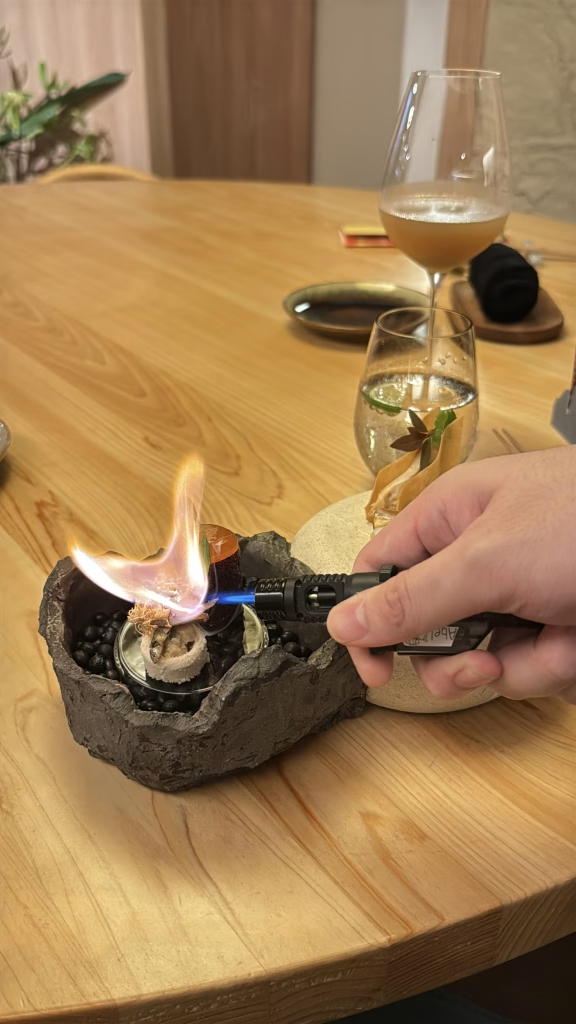
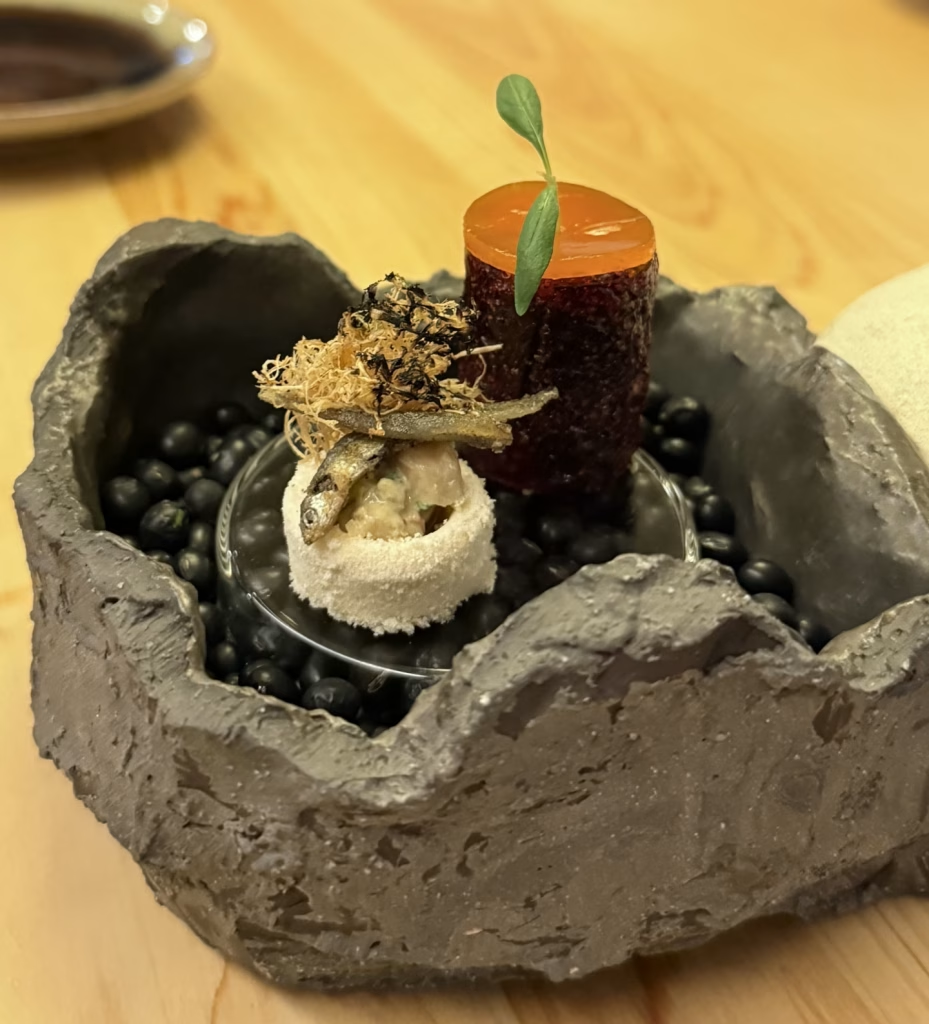
Venus Clam / Rock Octopus
Represents Southern Fujian.
It looks like a champion cake, corresponding to the Ping'an porridge at the table, with octopus, dried fish, and shredded ginger spread into fishing nets. There is also a ceremony to light shredded ginger on the spot, as if it is fragrant. The family of four together is a map of ethnic groups, and the sincerity is hidden in the details.
From the Outer Islands to the Mountains and Seas
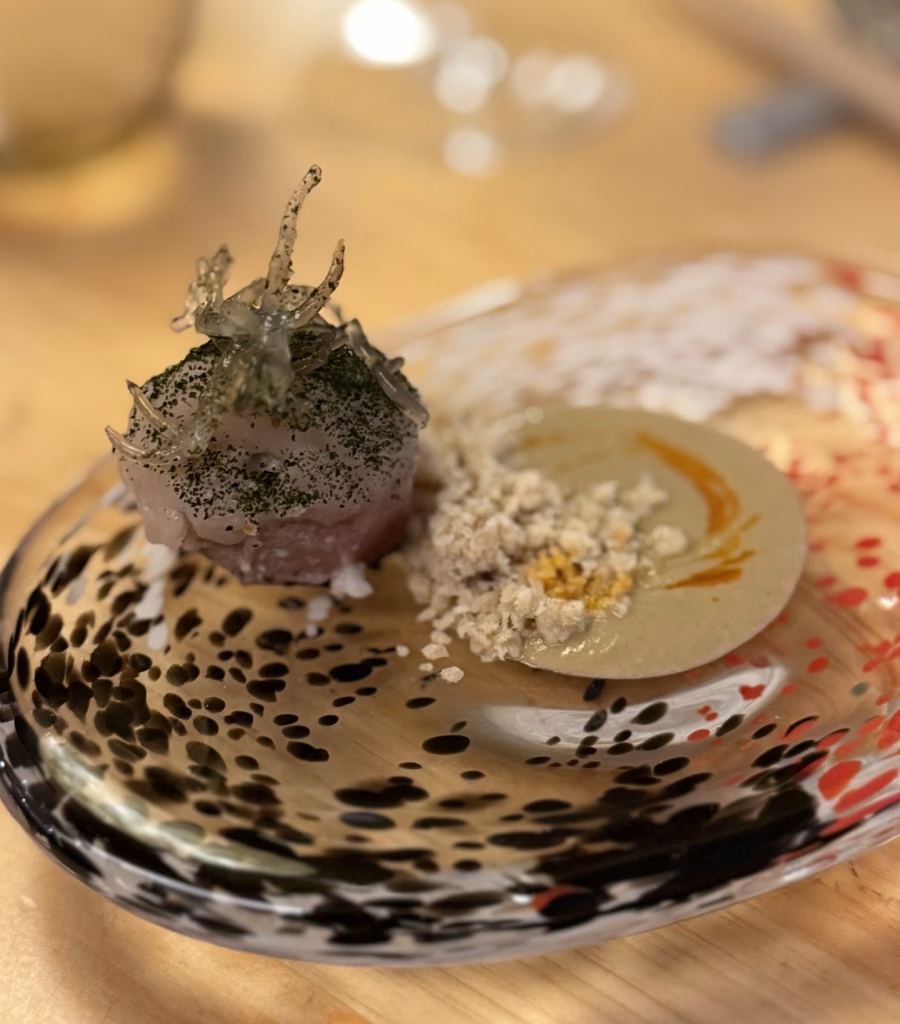
Taro / Flying Fish / Mahi-Mahi
Make up for the fifth ethnic group, the Dawu in Lanyu, and it is in the flying fish season.
The steamed and roasted taro is hollowed out, filled with ghost head knives and flying fish eggs, covered with pickled seaweed and seaweed powder, topped with dried flying fish and a sauce boiled in sea water, the spicy oil is dotted into the appearance of the sea surface, and finally sprinkled with flying fish pine.
The whole road is like a small island floating in the Pacific Ocean.
There is one detail I like very much: according to the tradition of the Dawu people, flying fish is cooked without fermentation and only seawater is used, so the freshness of this dish is clean and direct, and it does not rely on fermentation to make a difference.
It is also a very Taiwanese technique to put taro into dishes.
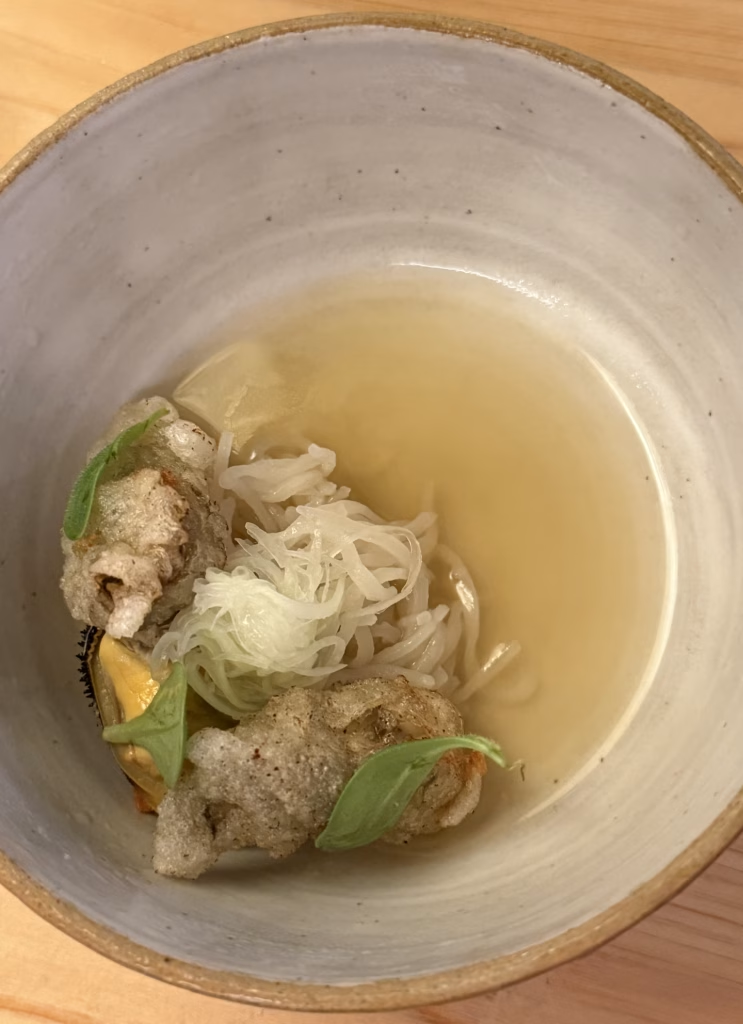
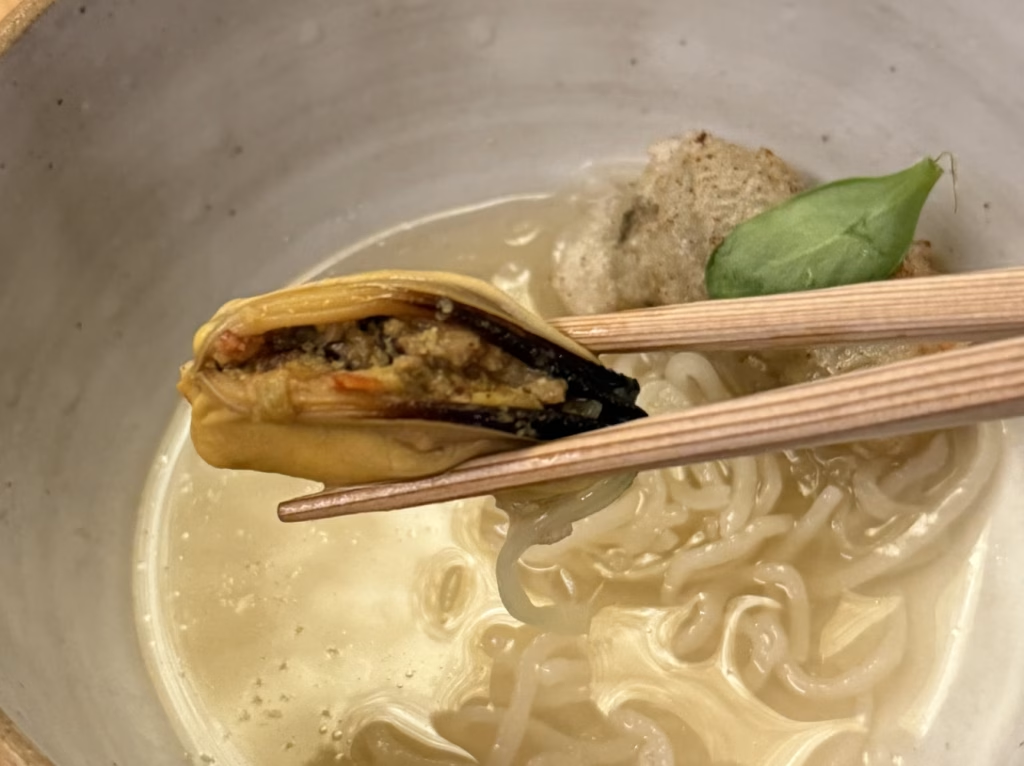
Matsu Fish Noodles / Mussel / Oyster
The one that surprised me the most in the audience.
Matsu fish noodles are made into cold noodles, with a soup of shredded green mango, tomato and milk-washed peanuts, plus fried oysters and matsu mussels; the mussels are also stuffed with ground meat and dried tomatoes.
The combination sounds messy, but the entrance is very clean. The sour, fresh, crispy, and smooth are all in place. It is the kind of unexpected work that you will want more.
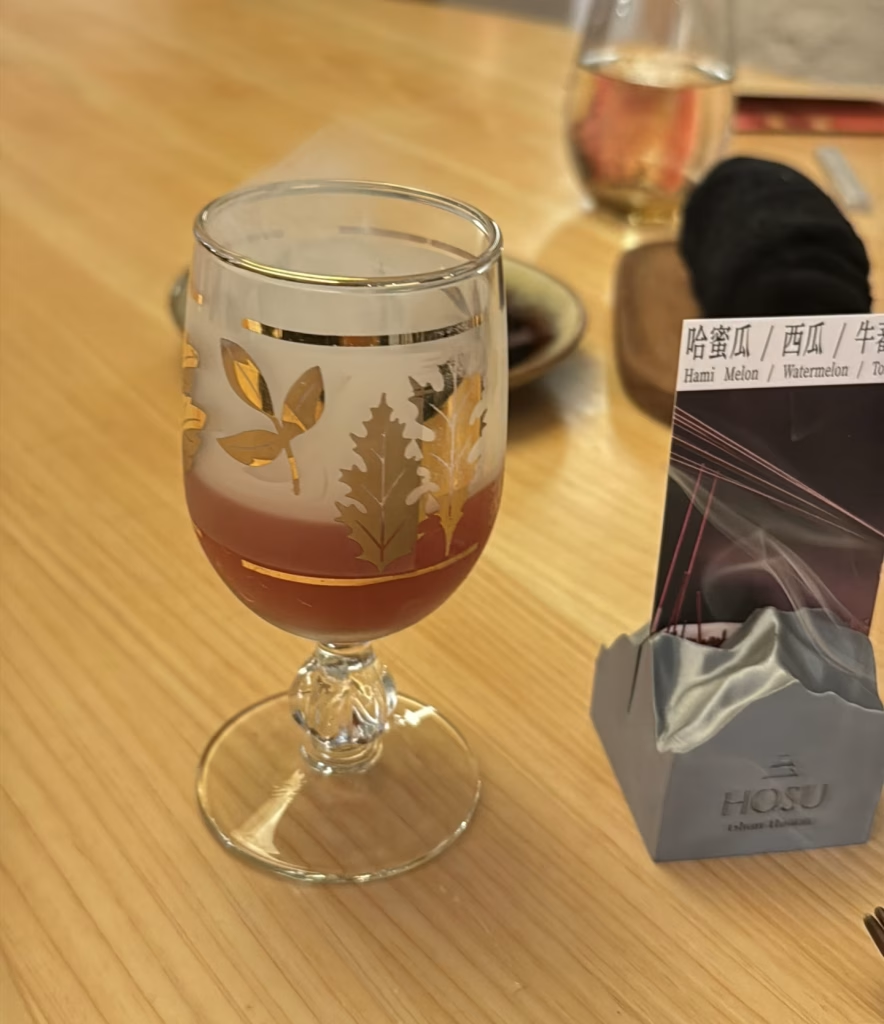
Non-Alcoholic Pairing #2|Cantaloupe / Watermelon / Beefsteak Tomato (A Stick of Incense)
The second cup is all about aroma.
Use tomatoes and watermelon with a little spicy grapefruit pepper, focusing on the incense that is ignited when serving-the scent is exactly what you smell when offering incense at a temple.
The entrance is refreshing, but what really touches people is that it brings the scent memory of temple worship straight to the table.
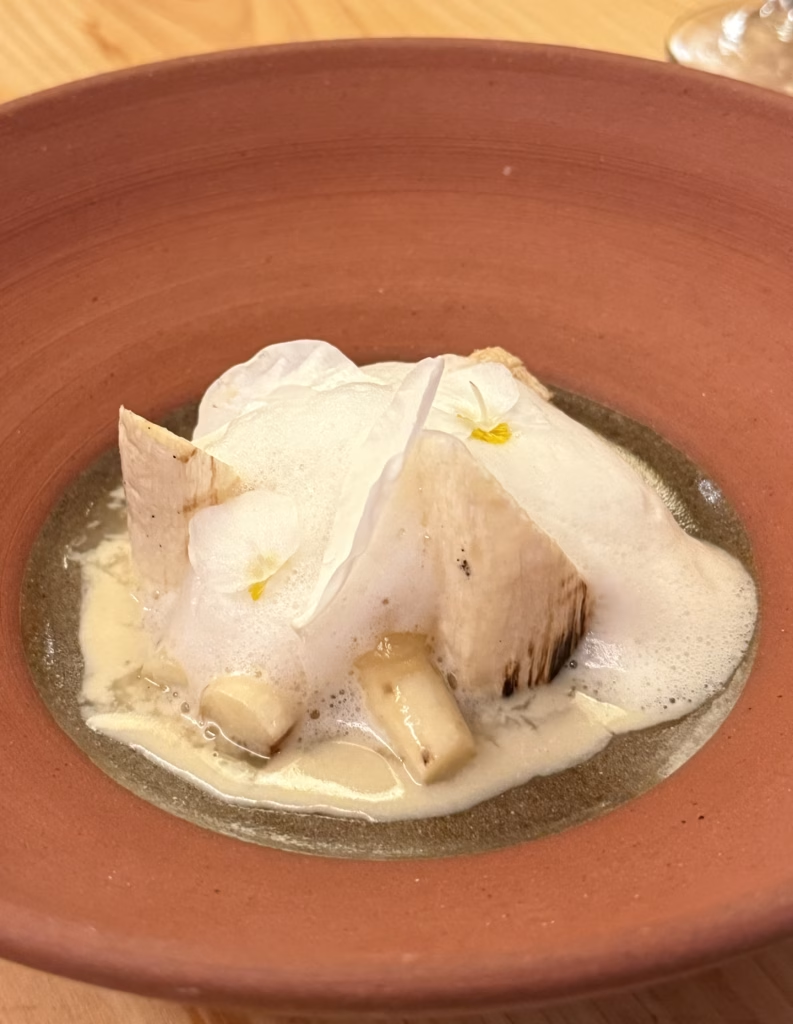
White Asparagus / Bamboo Shoot / Water Bamboo
The only miss in the whole set.
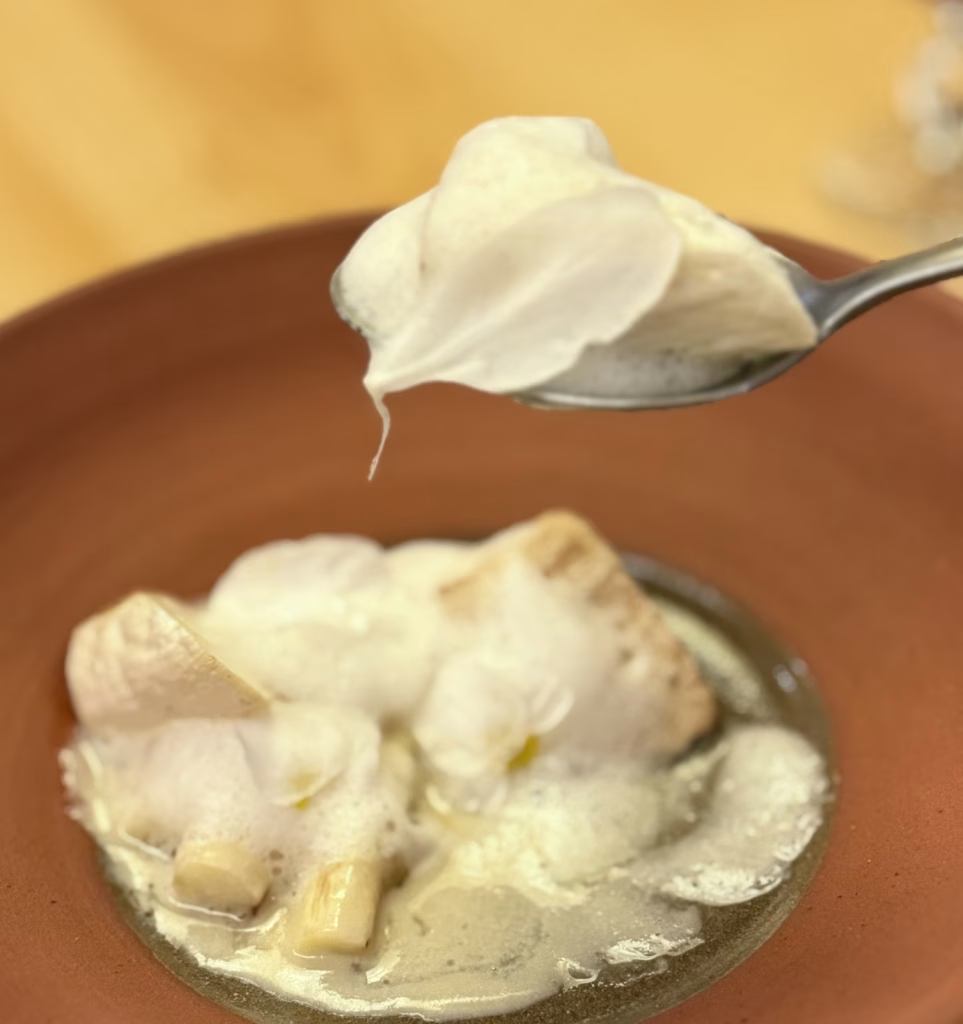
This is an all-white "shanhua mountain bamboo shoots". Under it are roasted white asparagus, bamboo shoots, bright white bamboo shoots and green bamboo shoots. It is served with soy milk and chicken stock sauce. On top is oolong tea bubbles, decorated with wild ginger flowers, osmanthus flowers and white begonia petals.
The concept is very beautiful, but the bamboo shoots have a clear bitter taste. The whole dish is dragged by the bitter taste. It is the only one in this meal that I will directly say "No".
Fine dining allows experiments, but the bitterness is served on the table before it is disposed of, and points are deducted for me.
Complimentary Soup
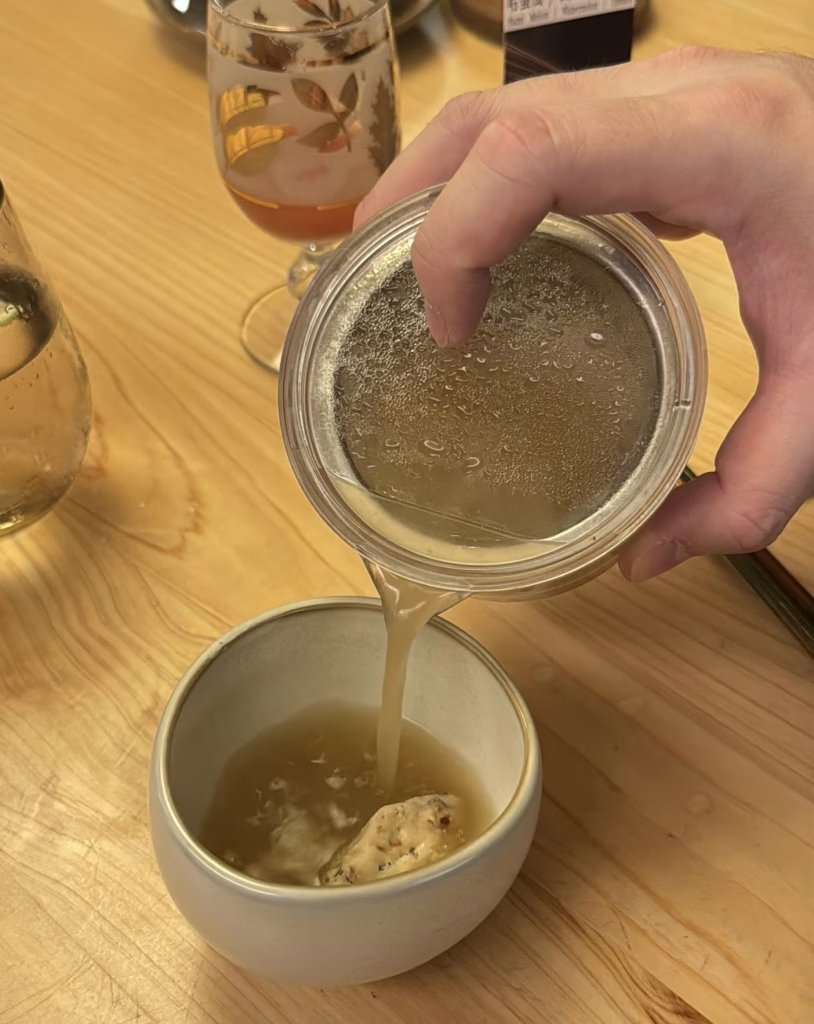
It corresponds to the tradition of serving hot soup to warm the stomach before the main meal.
The chicken soup made by Alishan Jinxuan Oolong and scallops has a chicken meatball with mushrooms and wolfberry hidden in the meatball.
It's not fancy, but the rhythm is right-collect the experiment in front and pave the way for the main meal in the back.
The Main Course and Three Bowls of Rice: The Climax
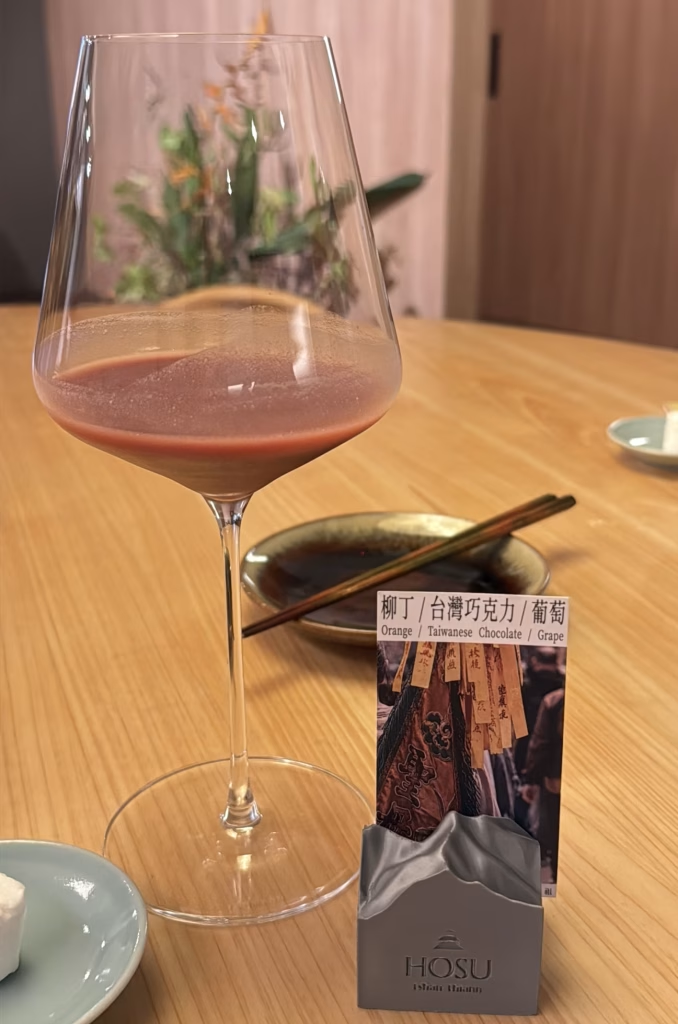
Non-Alcoholic Pairing #3|Orange / Taiwanese Chocolate / Grape
The third cup sets up the main course.
The woody chocolate is used to bring the fragrance of willow and the sweetness of grapes. The color is deliberately made into the red and black of the temple. The sweetness and thickness are pulled up, ready to catch the black pig who is waiting.
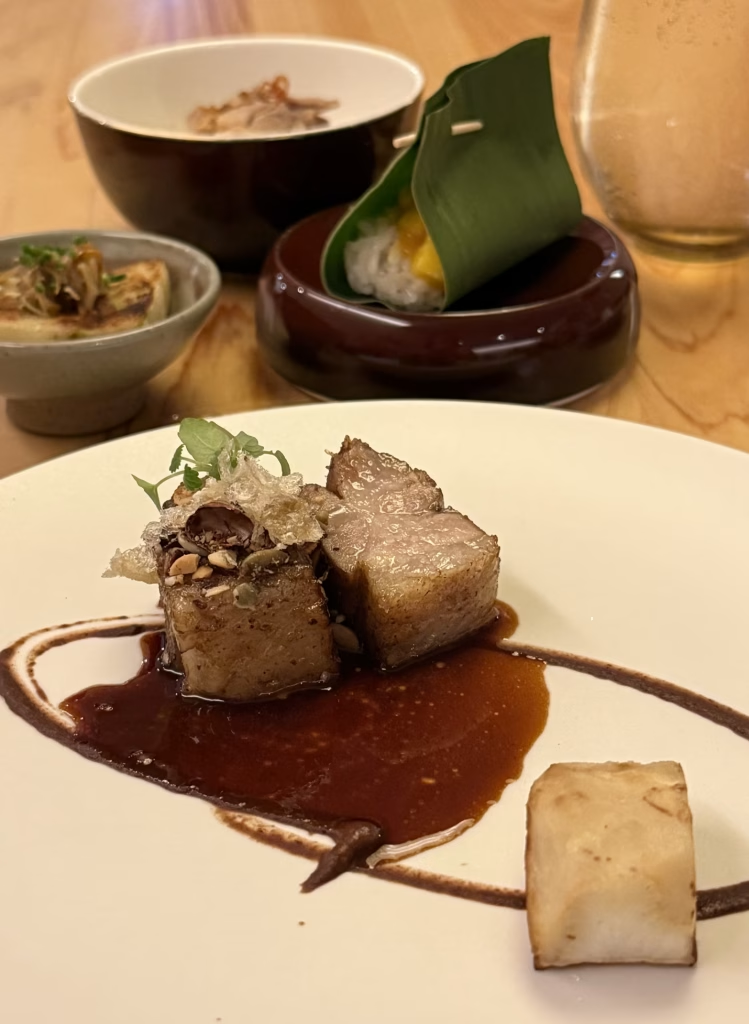
Black Pork / Celeriac / Taiwanese Chocolate
Main meal.
The black pig is sprinkled with peanuts, the sauce is stacked with caramel, dark beer, and coffee to create a dark tone, and the charcoal-roasted white celery root next to it is responsible for relieving greasy.
The meat flavor is carried away by the bitter sweetness of the sauce, and the crispness of the celery root just cuts the oiliness.
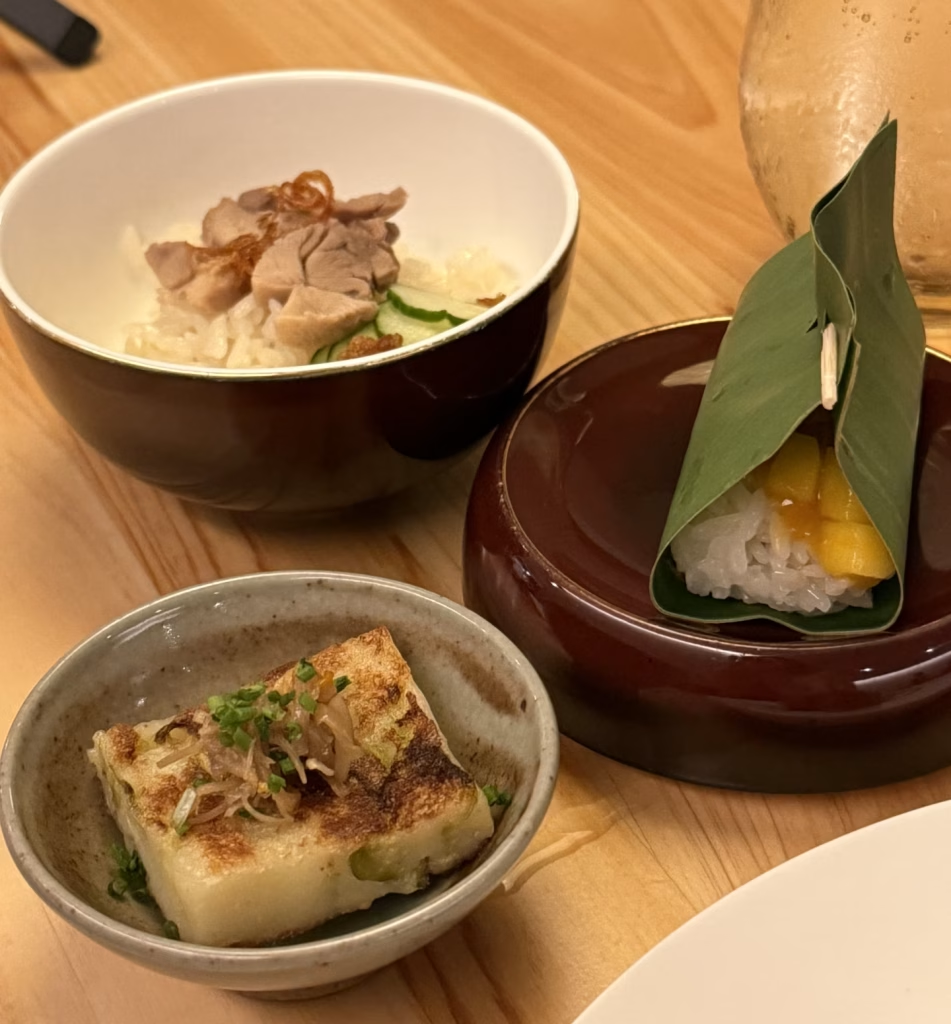
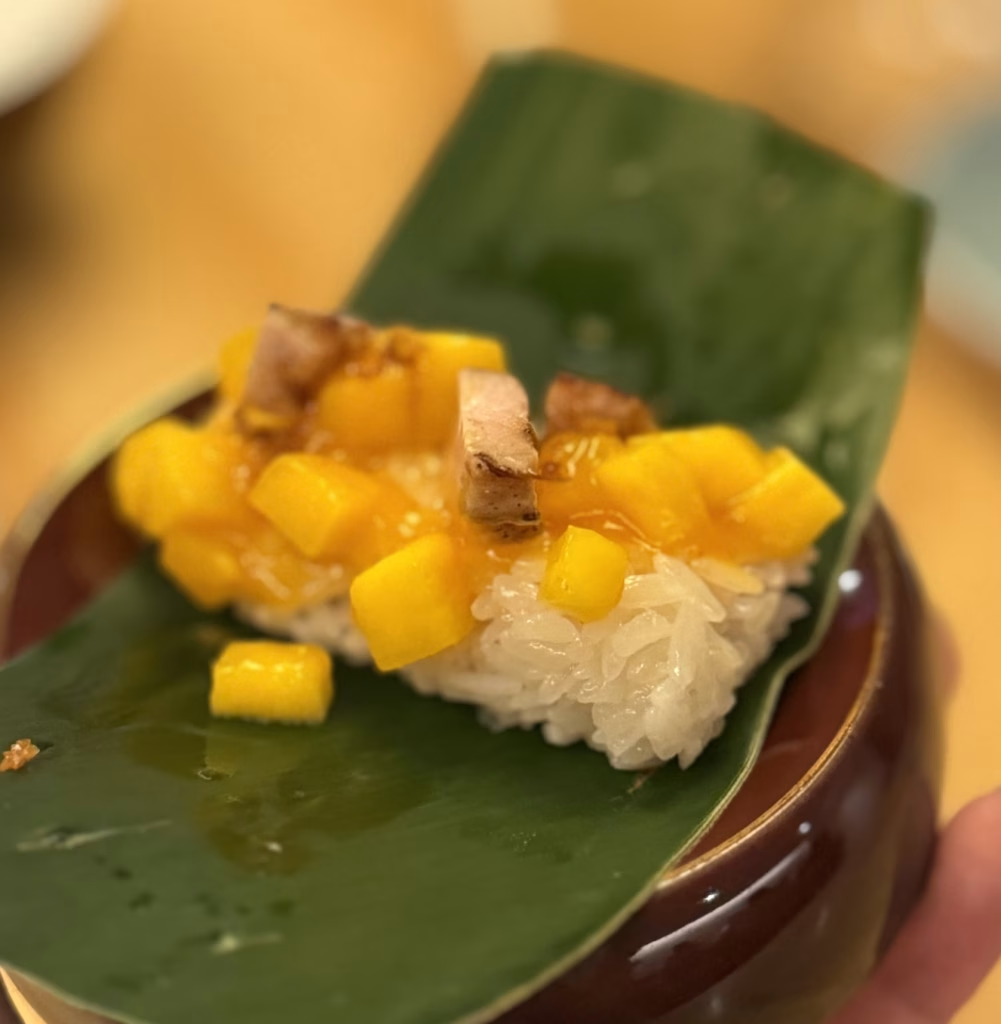
Three Bowls of Rice: Clam / Loofah / Indica Rice・Chicken / Tainan No. 11・Ginger / Mung Bean / Glutinous Rice
The real climax of this meal.
Chizui/Loofah/Jae Lai rice is made into cake dregs and XO sauce is added; chicken/Tainan 11 is Penglai rice stewed in chicken stock; ginger/mung bean/glutinous rice is made into meat dumplings because of the Dragon Boat Festival, which contains Jinhuang and Aiwen mango, and then Chaotian pepper is used to bring out a little sweetness and spicy.Faintly Southern flavor.
The same group of staple foods uses three kinds of rice and three types to finish Taiwan's "rice". These three bowls are the most complete and powerful design in my whole set.
Haoyu insists on using rice instead of bread as the staple food. This choice is an attitude in itself.
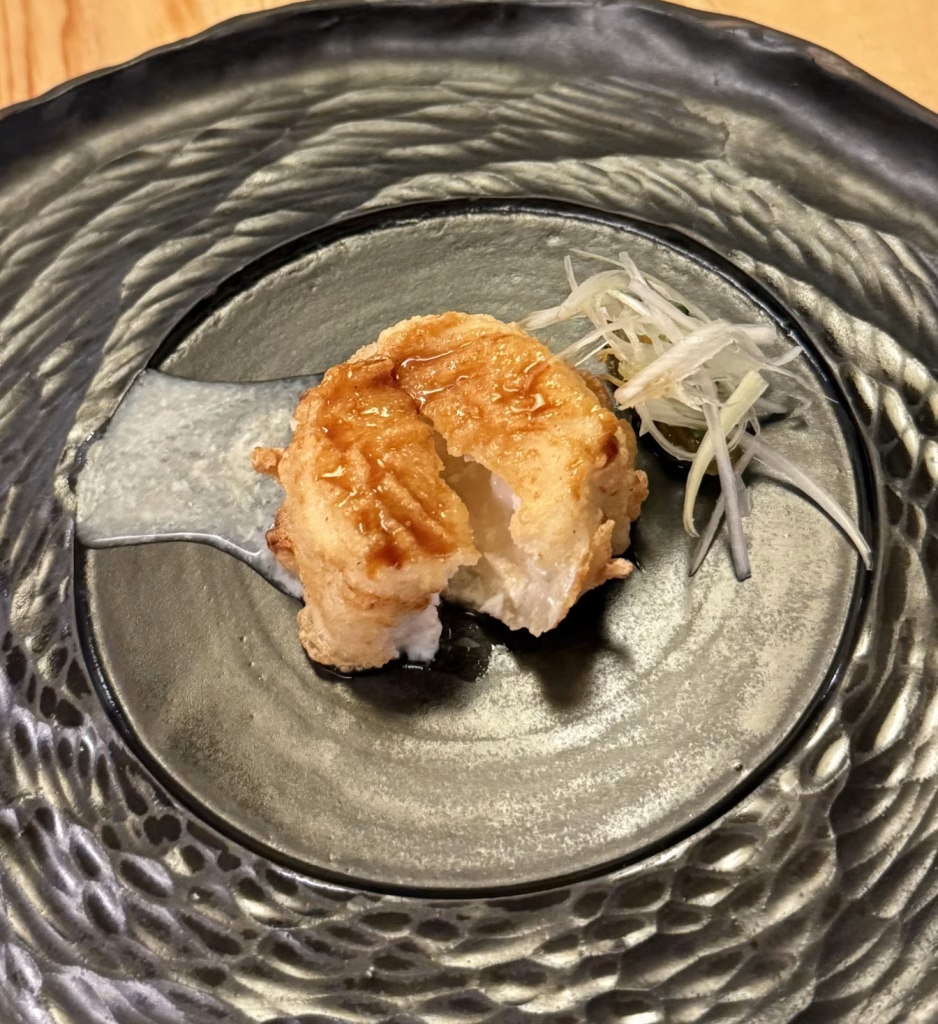
Fish (Taitung Flounder)
The fish comes last, echoing the saying "nian nian you yu" — abundance year after year.
The flounder cultured in the deep sea of Taitung is presented in the form of fried fish, cut into pieces and fried in juice, like soup; on the right hand side, it is served with shredded scallions, okra, and white asparagus, and then lined with sweet and sour plum meat.
Pressing the fish to the end of the main axis is a narrative ingenuity, not just a question of whether it is delicious or not.
Dessert: From Palate Cleanser to Longevity Peach
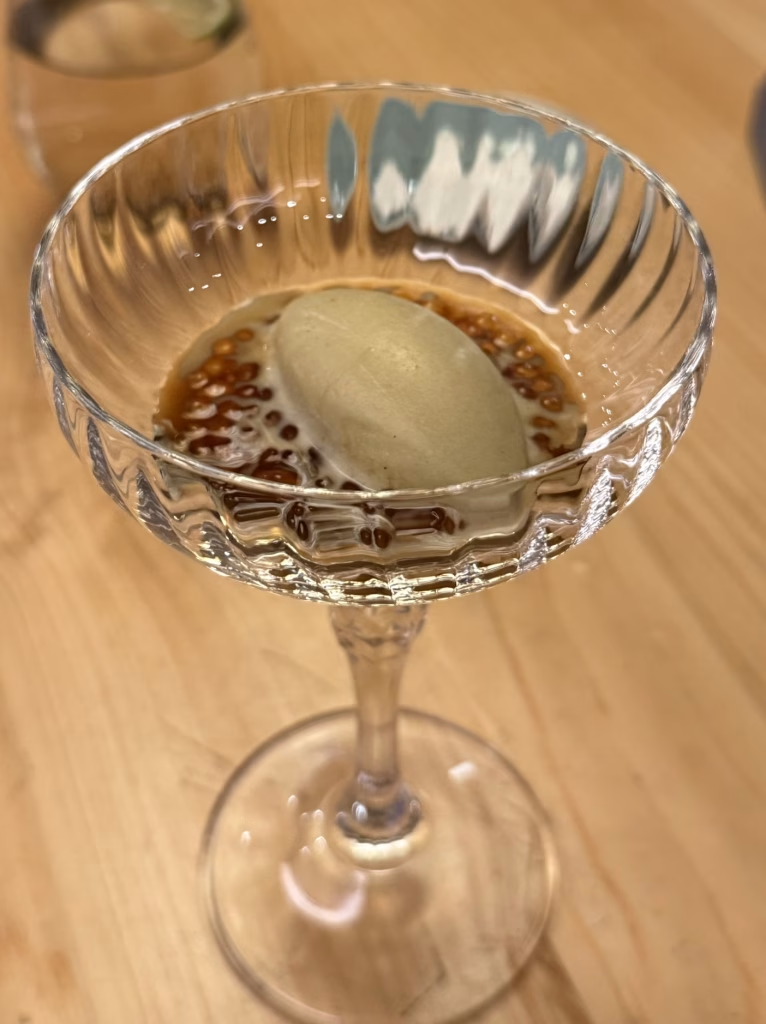
Green tea/plum/pearl
Desserts start to be collected from here.
This is a clear-mouth ice cream. No dairy products are added. Rice cereal flour is used instead. Plum wine stuffed with plums is used to make ice. It is served with Tainan chai-roasted brown sugar pearls. It has a refreshing and refreshing taste.
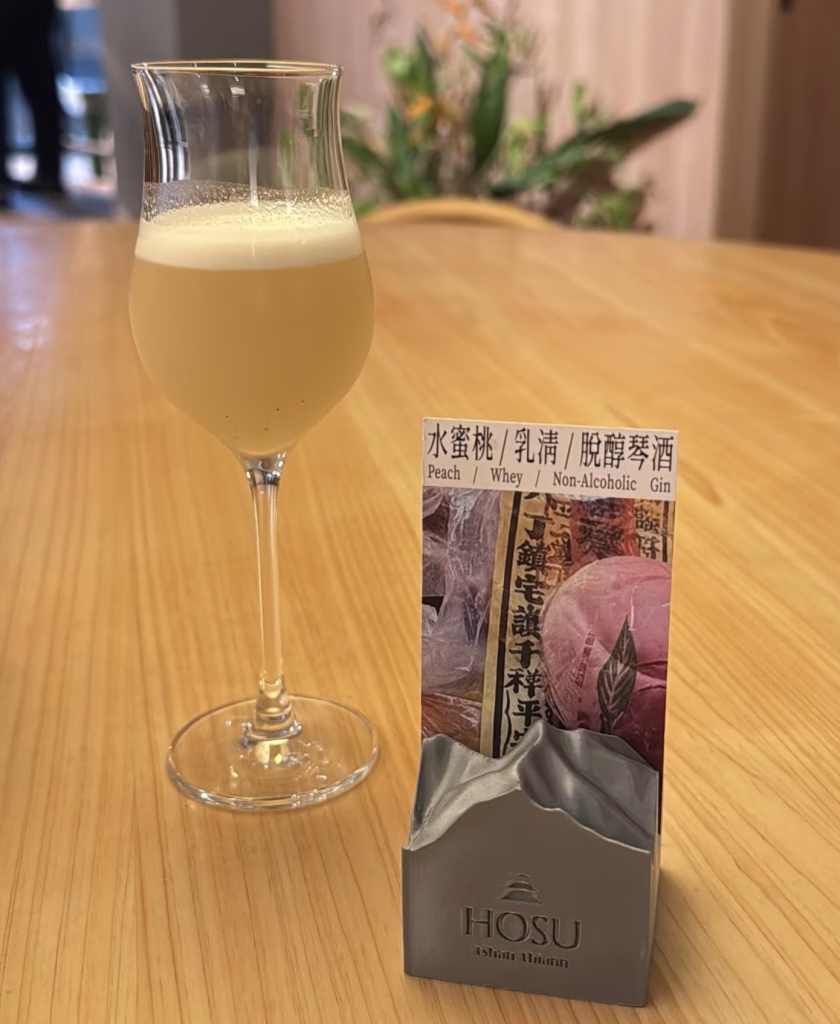
Non-Alcoholic Pairing #4|Peach / Whey / De-Alcoholized Gin
The fourth cup corresponds to the white image of "after visiting the temple, get a poem".
Peaches are served with de-mellow gin, which is covered with tea bubbles. It is clean and aftertaste. It is the most "dessert wine" of the four glasses.
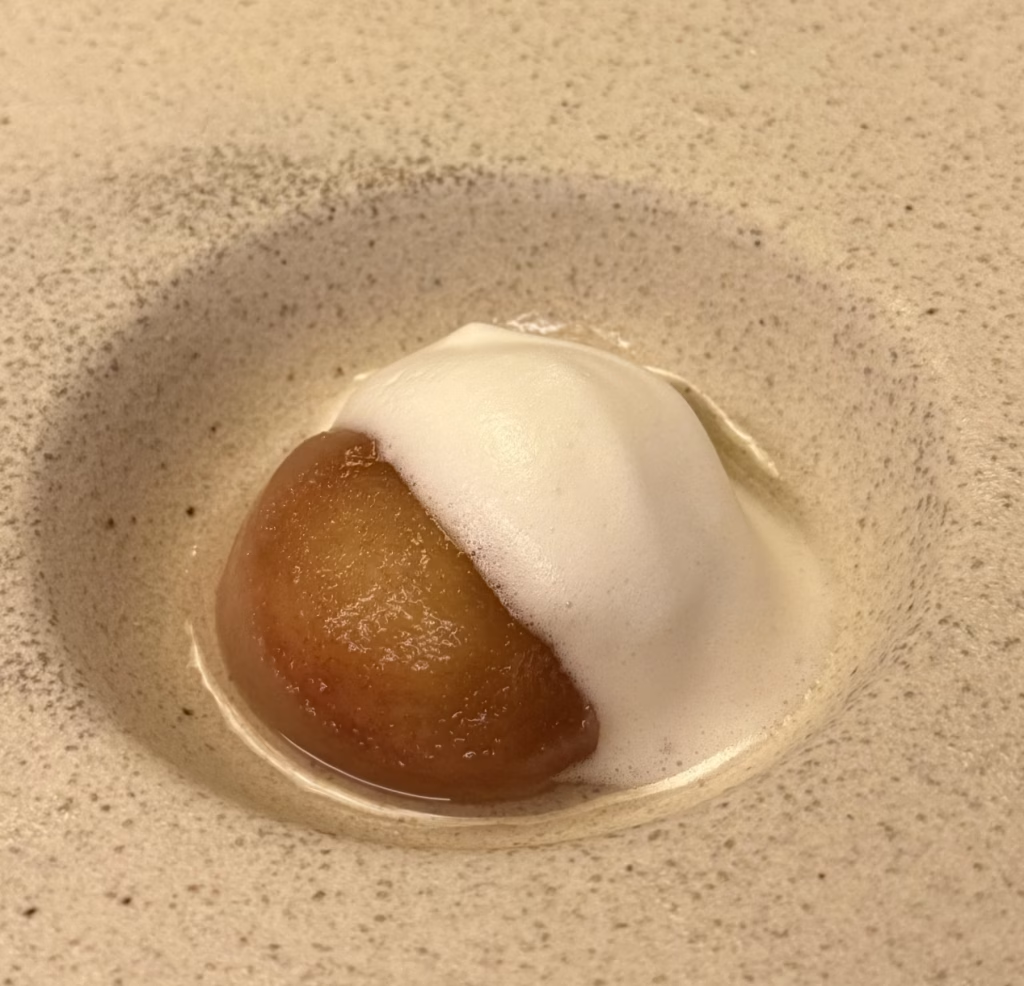
Peach / Chayote / Taiwanese Tea
Inspired by Mazu Shoutao.
Lala Shanshui peaches are lightly boiled in white wine, with white tea foam, white fungus, peach gum, and bergamot piled up with a sense of export, stacking up the sense of festival.
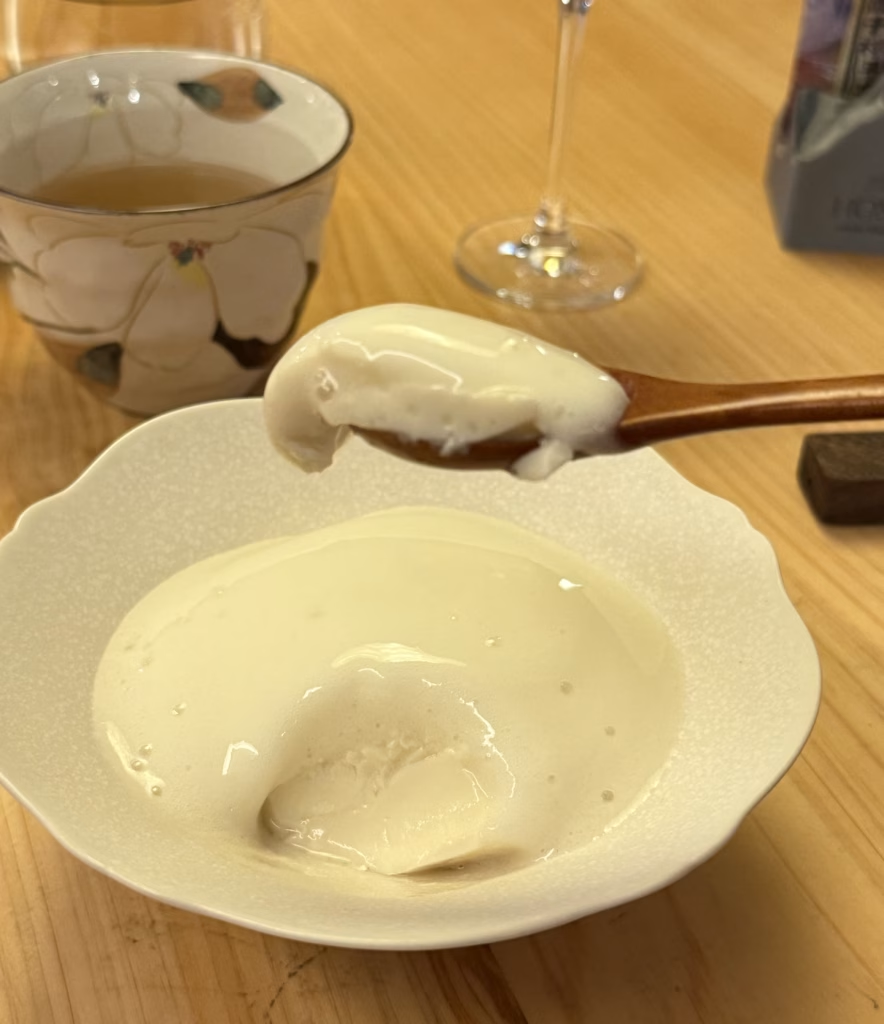
Taiwanese Soybean / Pineapple
The salted braised bean curd made from Taiwanese soybeans with pineapple foam is a premium version of "fruit bean curd", which is familiar and not bad.
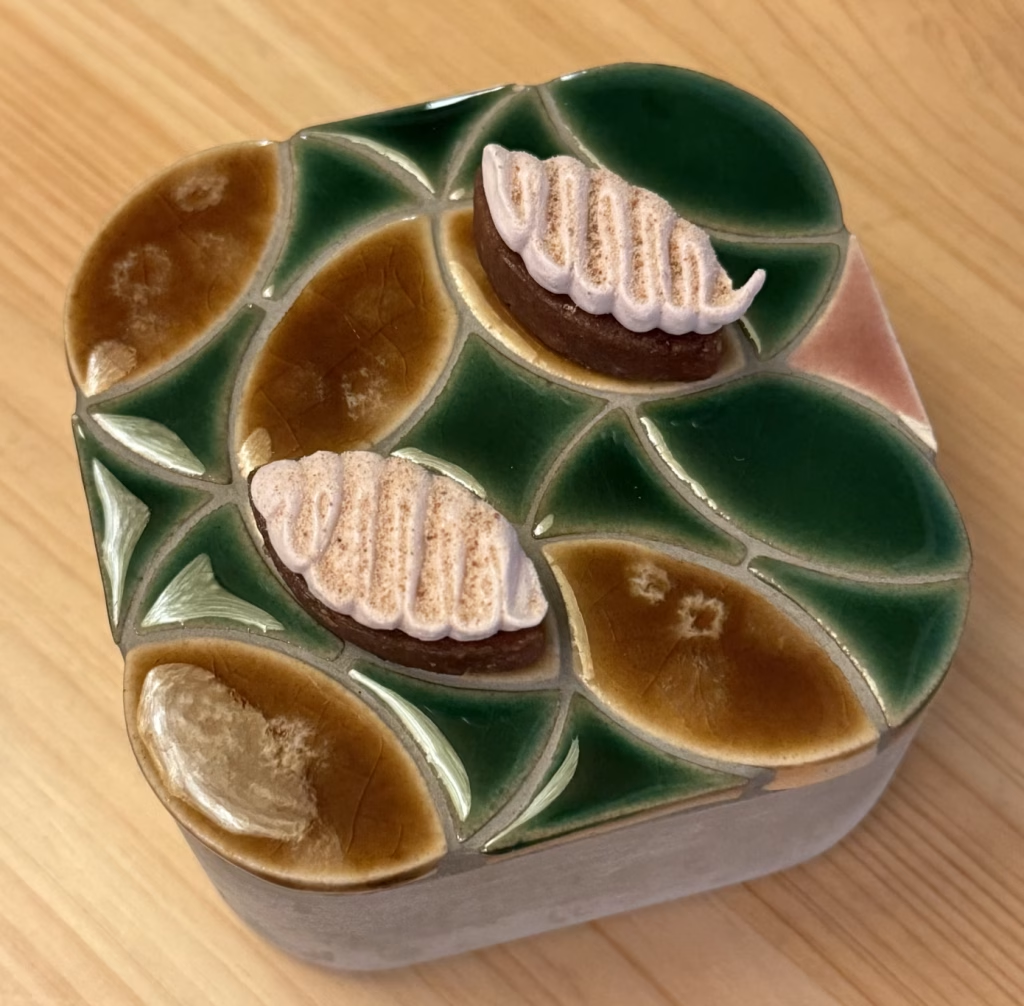
Red Plum / Red Plum Liqueur
The finished traditional cake pieces are boiled with red meat plum, red meat plum wine and spices and dried. The wine is also beaten into meringue and sprinkled with plum powder.
From refreshing all the way to a sense of festival, the tail end closed beautifully.
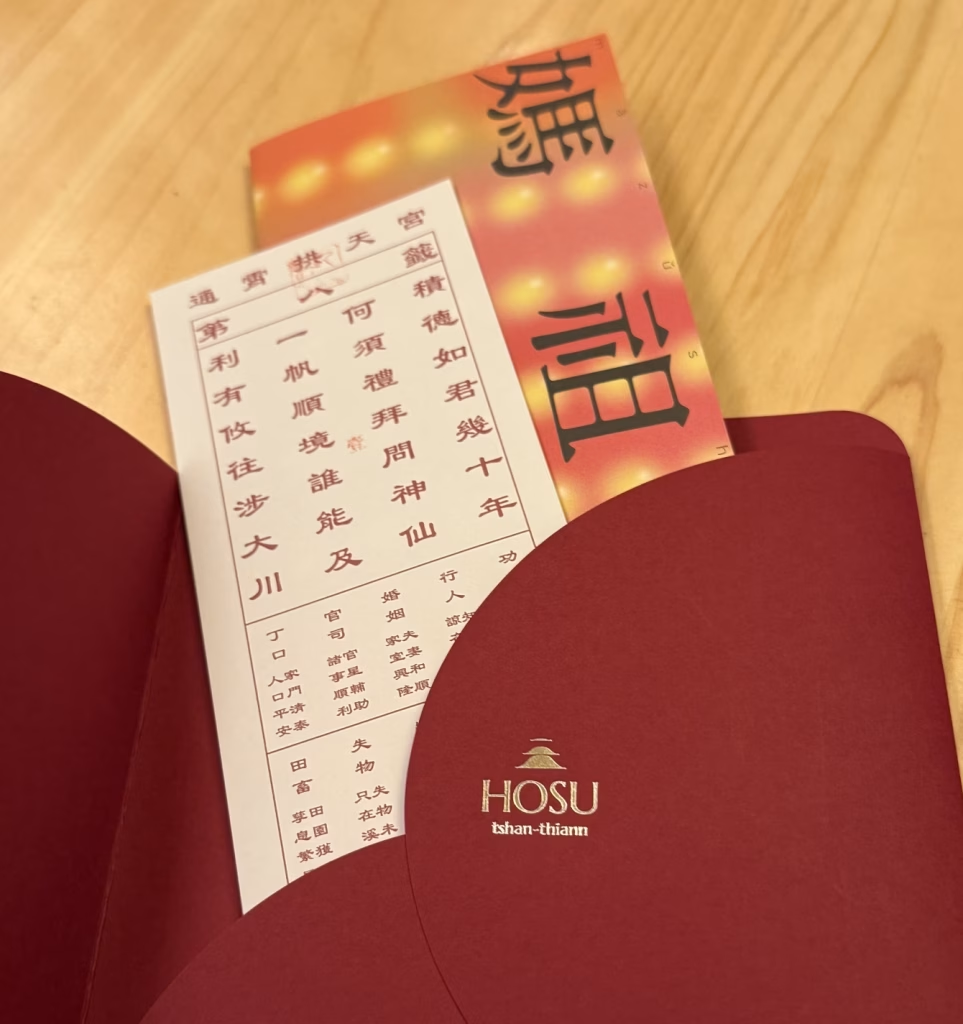
The Fortune Reading: Closing the Ritual
Before leaving the venue, the service staff will return the poems you drew at the beginning and uncheck them on the spot.
From entering the draw to leaving the draw, the whole experience is closed-loop from beginning to end, and the sense of interaction is a very good and strong piece.
Final Thoughts
The Story Deserves Full Marks — the Storytelling Fell Short
Let's talk about it first. This set of "Mazusheng" is extremely strong from the ingredients, practices to the story. Even 4 non-alcoholic drinks and even the interior decoration of the store are walking with the theme of this season. The chef's care and carefulness are commendable throughout the process. I would like to recommend a place for foreigners to get to know Taiwan's culture and ingredients at once. Haoyu is currently the first place in my heart.
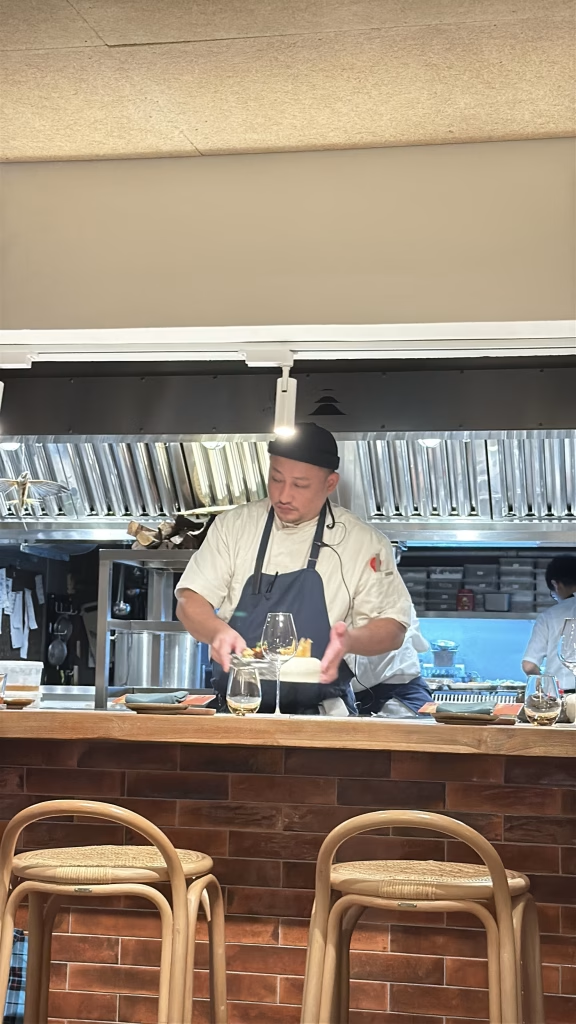
But the service really didn't keep up. My table is just at the general table next to the bar. You can hear the introduction of the chef at the bar. In contrast, the introduction of the service staff at our table is very poor: not only is it much shorter than the chef's version, but it is also intermittently stuck with words, as if it is not familiar. A good story needs someone who can tell a story to present it, otherwise it's a pity. In addition, for the first time, I encountered someone who came to collect the empty plate halfway through the meal-there were four plates of rice for the main meal, and the main meal was not finished before, and the bowl that was finished was taken away first. We didn't eat very slowly, so this shouldn't have happened.
So 8 points. The cuisine and narrative themselves deserve to be higher, and it is the service that pulls the experience down. This score also means: I will still want to go when the new menu is launched, but next time I will designate to sit at the bar and try my best to meet the chef's personal introduction to be worthy of the creativity of this set of dishes.
Who is it suitable for: people who want to bring foreign friends to know Taiwan, like fine dining with narration, and can accept the occasional missed experiment.
Not suitable for: people who purely want to eat quietly and have high requirements for service consistency-this time the service depends on the luck of the seat.
Rating and Cost
- Store name: Haoyu Hosu
- Location: No. 17, Alley 20, Lane 300, Section 4, Renai Road, Daan District, Taipei City (near Cathay Pacific Hospital, Renai Business District)
- Cuisine: Modern Taiwanese cuisine Fine Dining
- Visit: July 2026, during the "Mazu's birthday" Chapter Package
- Price: Chapter tasting menu from NT$3,880 per person; 4-cup non-alcoholic pairing NT$1,400 per person; water charge NT$150 per person
- Per capita consumption: about NT$5,430 (excluding service charge and alcohol pairing)
- Reservations: book through the official channel; request a counter seat if you want the chef's own narration.
- Rating: 8/10
- Reservation:https://inline.app/booking/-LHWCGzZcr-qryZU_zAs/-LHWCGzZcr-qryZU_zAt?language=zh-tw
What other restaurants in your mind are worth visiting again and again?
This meal is fully self-financed.