
Content table of contents
It seems to be a niche in the local area, but in fact it is like a limited sightseeing package for MWC.
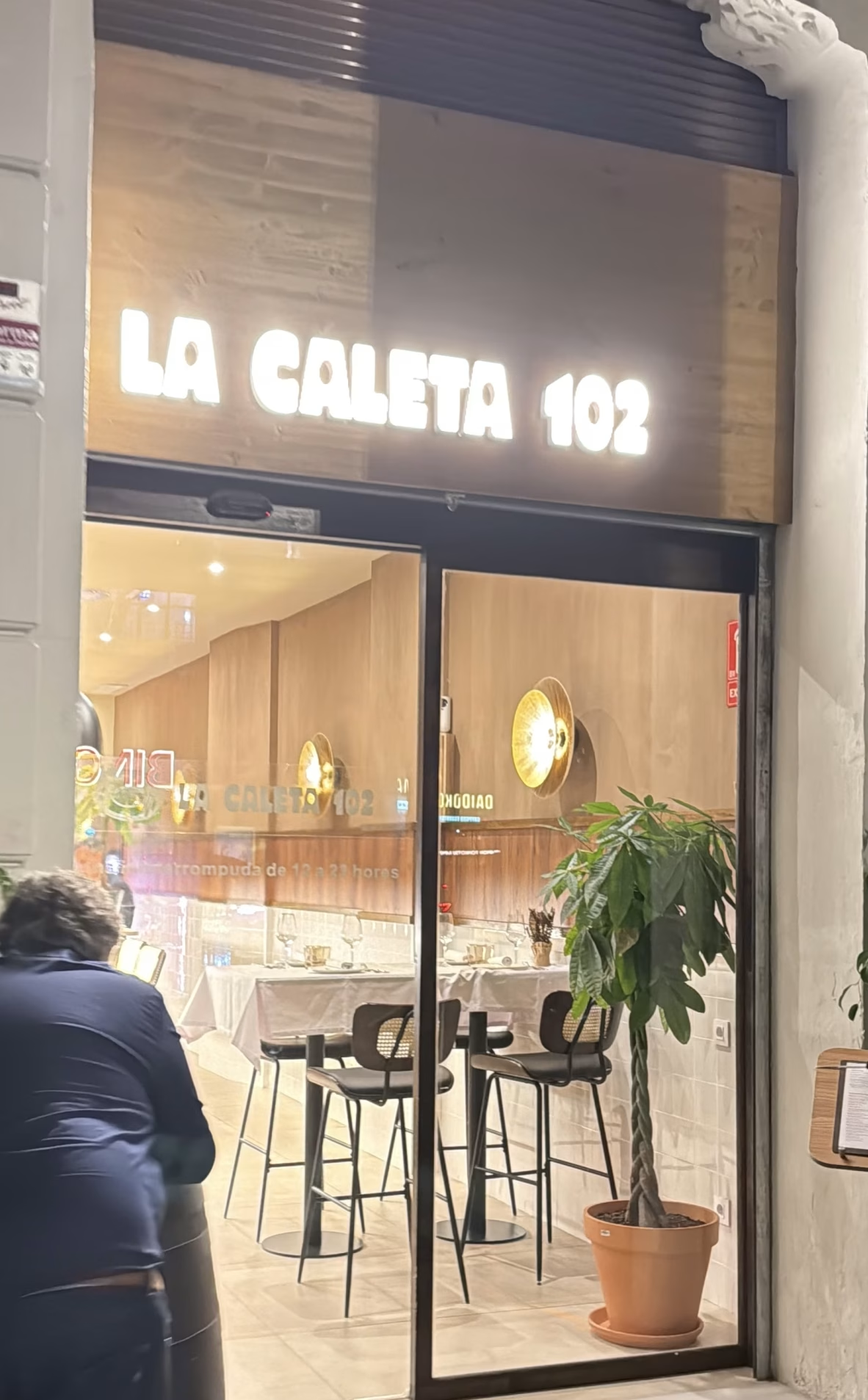
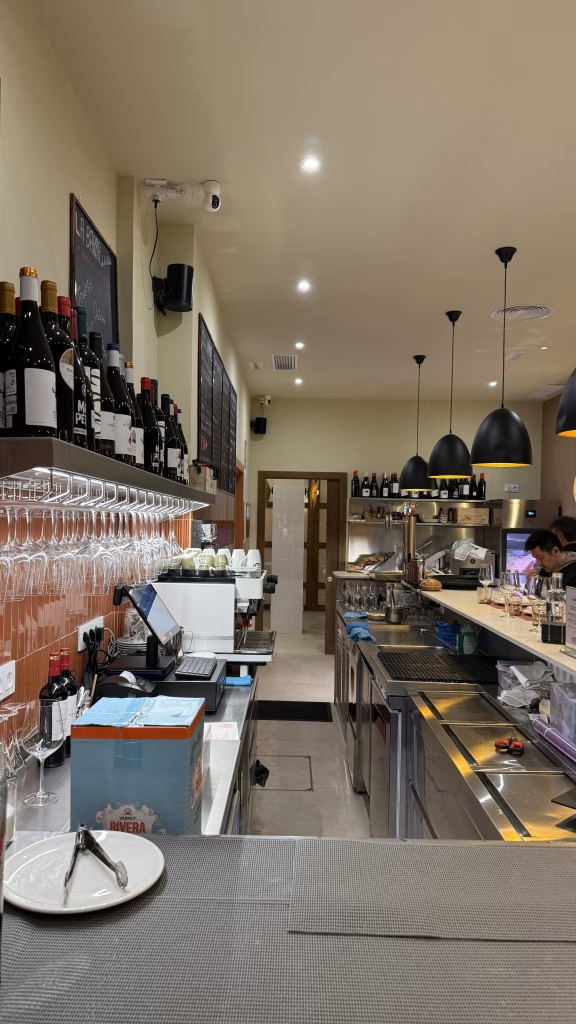
This time in Barcelona, I originally wanted to find a relatively niche and less tourist-oriented Spanish restaurant, and finally ordered La Caleta 102. What I was looking forward to was a dinner with a Catalan and Mediterranean flavor, and maybe a little local personality, but the actual dining experience was a bit subtle.
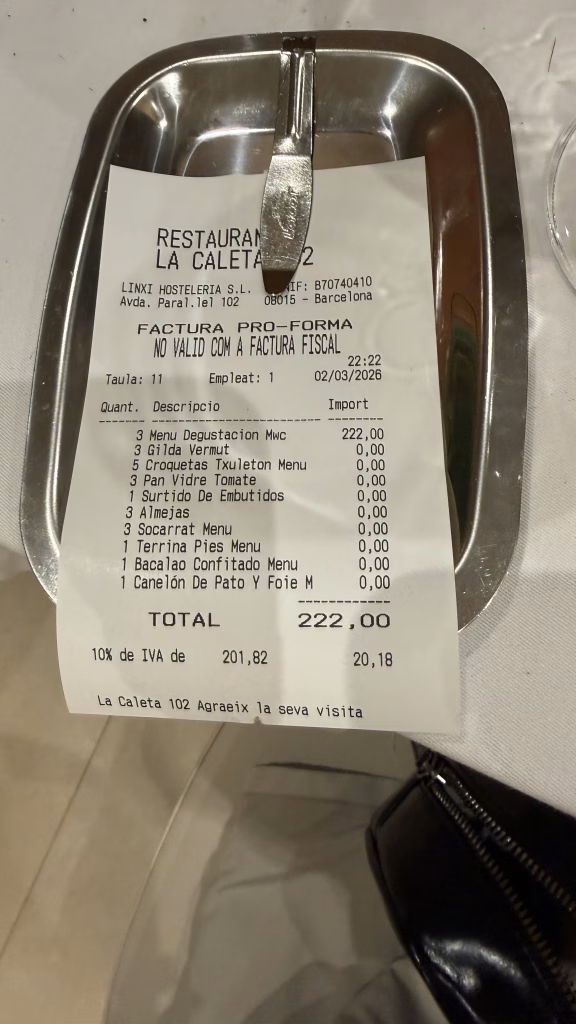
As soon as we entered the door, the store did not let us see the menu first, but directly started to serve the contents of the package, and did not actively explain the price on the spot. Because the language communication is not too smooth, and I am in the mood of "if you come, you will be safe", I will take advantage of the situation and eat it. Later, I checked the menu after leaving, only to find that there was actually a bread appetizer missing from the table; what's more exaggerated is that when we made the reservation, we actually paid a deposit of 150 euros in advance, but the store did not deduct it at the checkout, and we left in a hurry and didn't notice it, only afterwards did we find out about it.The money is directly gone.
If you look at the food itself alone, it can't be said that it is not delicious, and even some dishes are considered basic; but if you look at the overall experience, price, MWC schedule background and package content together, it does make people feel: This is more like a set of fixed packages sold to foreign customers at large-scale exhibitions., Rather than a restaurant that is really worth a special trip to visit.
Barcelona Cuisine Spanish Cuisine Spanish Cuisine
(Dining in March 2026)
La Caleta 102 menu introduction and dining experience
What I ate this time is:
Menu Origen / MWC Package
74€/person, 3 people total 222€
Aperitivo|Hors d'oeuvres
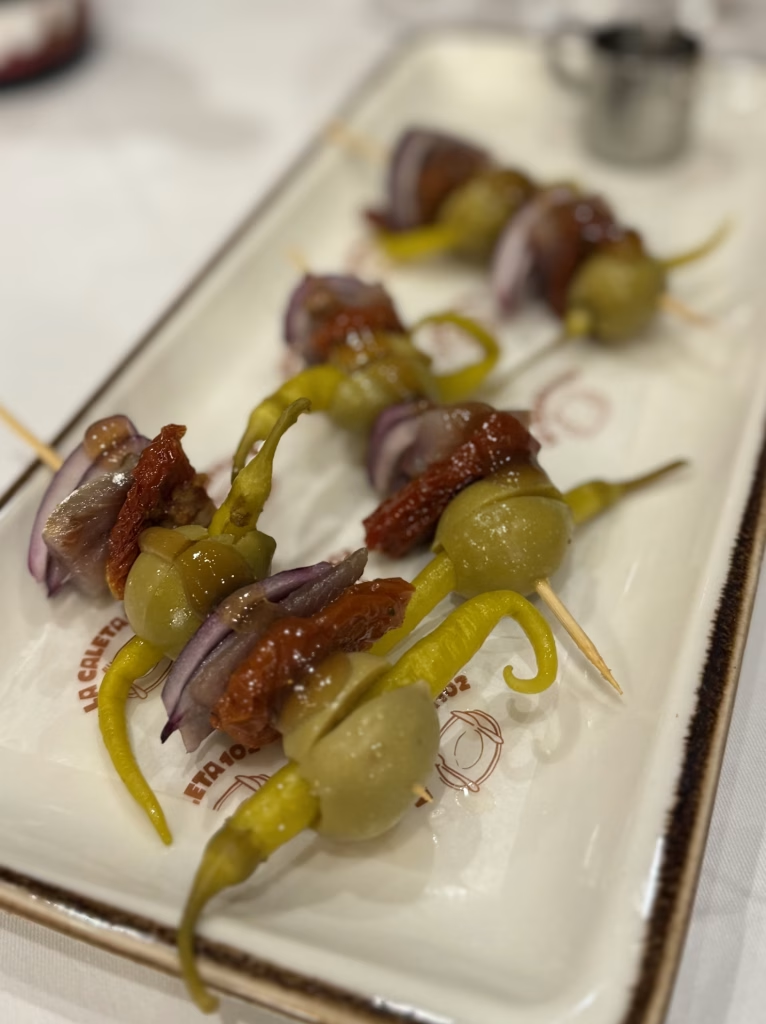
Gilda ahumada de sardina con gel de vermutSmoked sardine Gilda + Absinthe Gel
This dish can be regarded as a variation of the Spanish classic Pintxo.
Traditional Gilda usually skewers olives, anchovy and pickled peppers together, taking a salty, sour, and spicy route; here, smoked sardines are used instead, with olives, small peppers, oily tomatoes, onions and absinthe gel. The overall flavor is a little more smoky than the traditional version.Rhyme with vanilla bitterness.
This dish is very distinctive and very recognizable in Spanish tavern culture. It's just that whether it is delicious or not really depends on personal taste, because it is not the kind of pleasing hors d'oeuvres, but a bunch with a very distinctive flavor and a bit of a big personality. The saltiness of olives, the smoke of fish, and the herbal bitterness of absinthe gel are put together. They have a very strong personality and are suitable for pairing with wine, but they are not necessarily the type that everyone will love as soon as they eat them.
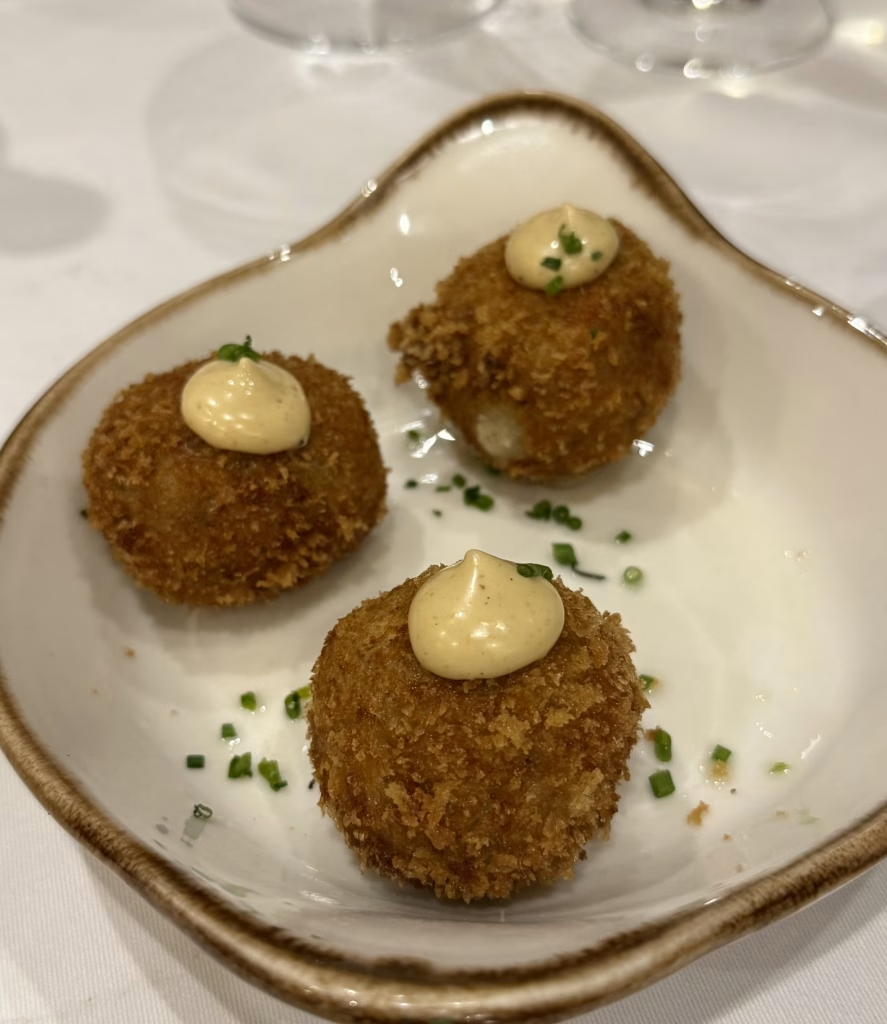
Croqueta de txuletón Diced beef Croquettes
I only ate the shrimp-flavored croqueta the day before, but this time it was replaced with a beef version, which can be regarded as another interpretation of the classic Spanish snacks.
The outer layer is fried golden and crispy, while the inside is a soft filling with rich meat flavor and béchamel milk flavor. Compared with the common ham or seafood version, this txuletón version has a thicker and more gravy flavor.
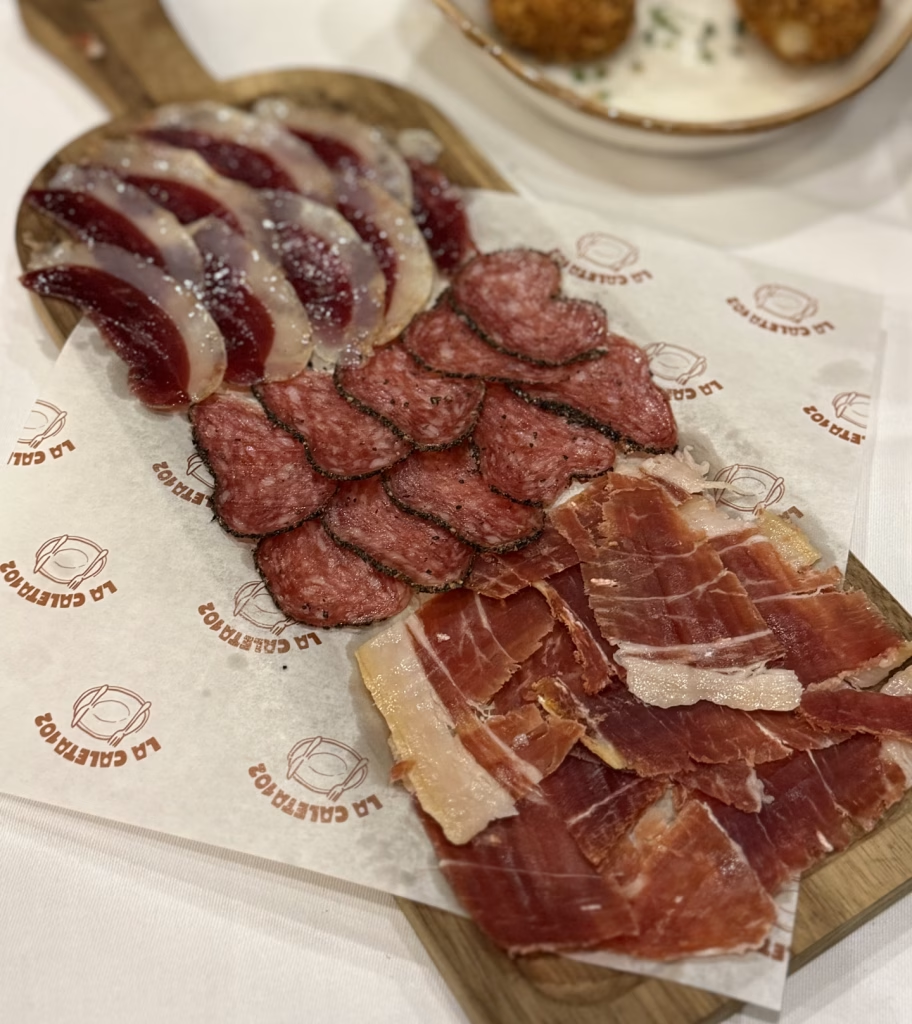
Surtido de embutidos especiales selected Spanish cold meat platter
Selected Spanish cold Meat Platter
Duck Ham/Iberian Ham/Pepperoni
Iberian ham and pepperoni are already familiar faces on the Spanish table, which is not surprising; what is more special is that duck ham is also included here, which has a little more salty and fleshy than the common pork cold meat. . Overall, it is very suitable for drinking, and it is also very in line with the positioning of appetizers and appetizers.
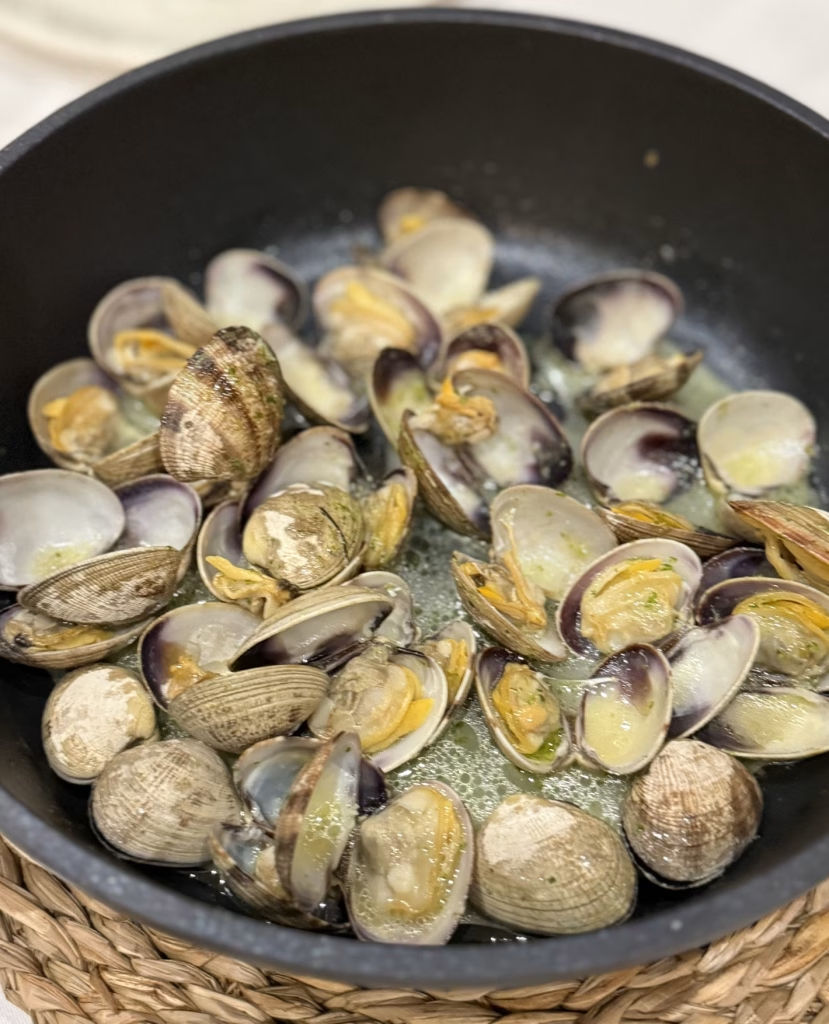
Almejas salteadas garlic fried clams
This is a fairly typical Mediterranean flavor. It is conceptually close to the wine-steamed clams we are familiar with, but the seasoning and aroma are more biased towards the garlic, olive oil and liquor system common in restaurants on the Spanish coast.
The taste itself is not bad, and it also tastes like a small seafood restaurant that is very suitable for dipping with bread, but the clams themselves are too small, the meatiness is a little insufficient, and the satisfaction is a little less.
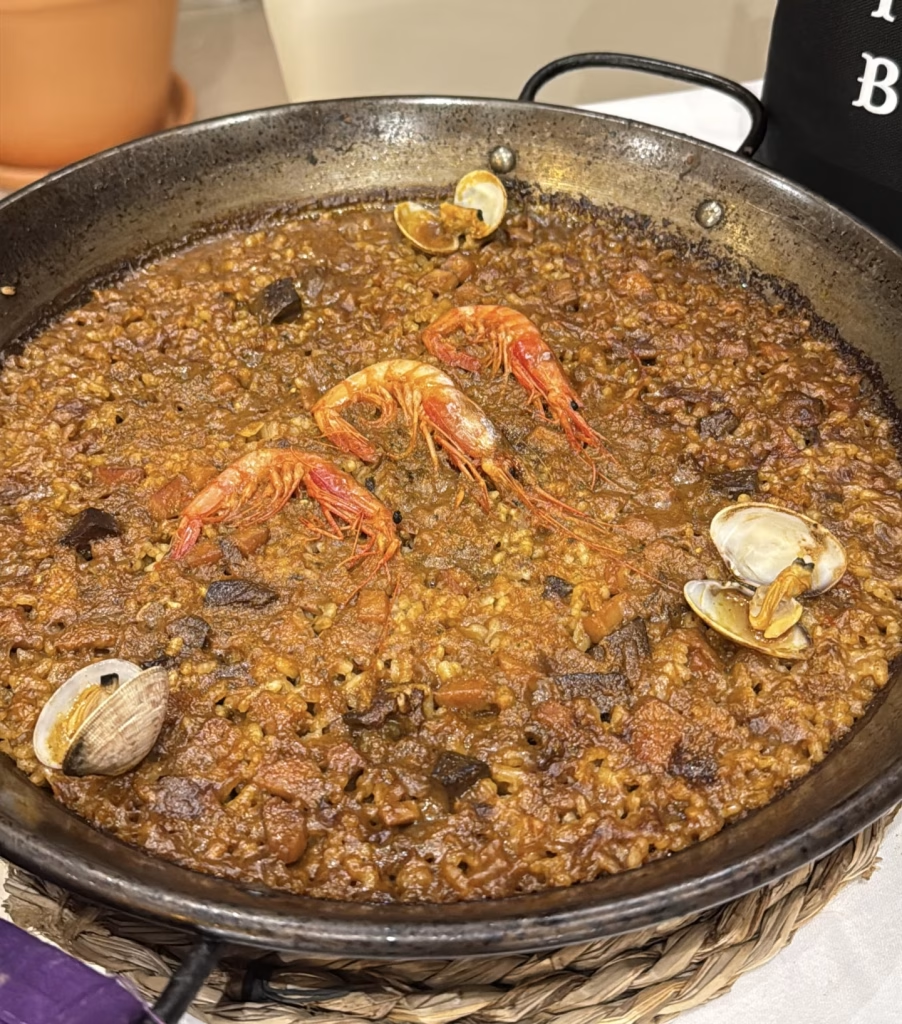
Arroz rice, seafood tender rice
Arroz “socarrat” / meloso de “cap i pota”
Rice with rice and seafood stew
This one can be regarded as the most "Spanish" one in the entire set meal.
Socarrat refers to the scorching aroma at the bottom of the pot that the Spaniards attach great importance to, that is, the bottom of the rice with a crispy coking sensation in the last layer of the risotto. When this pot is served, it will be stirred on the spot again. It seems that the amount is quite large, but in fact, the three people share the same food, and they will not be too much to eat.
The overall style is close to the classic Spanish risotto, but the focus here is on the scorched aroma formed by a thin layer of rice, so every bite can be eaten in the presence of rice. This dish does show the most fascinating thing about the cooking of Spanish rice: it is not how advanced the rice grains themselves are, but the kind of aroma that accumulates through the bottom of the pot, soup, grease and time.
Main Course|Choose one of three main courses
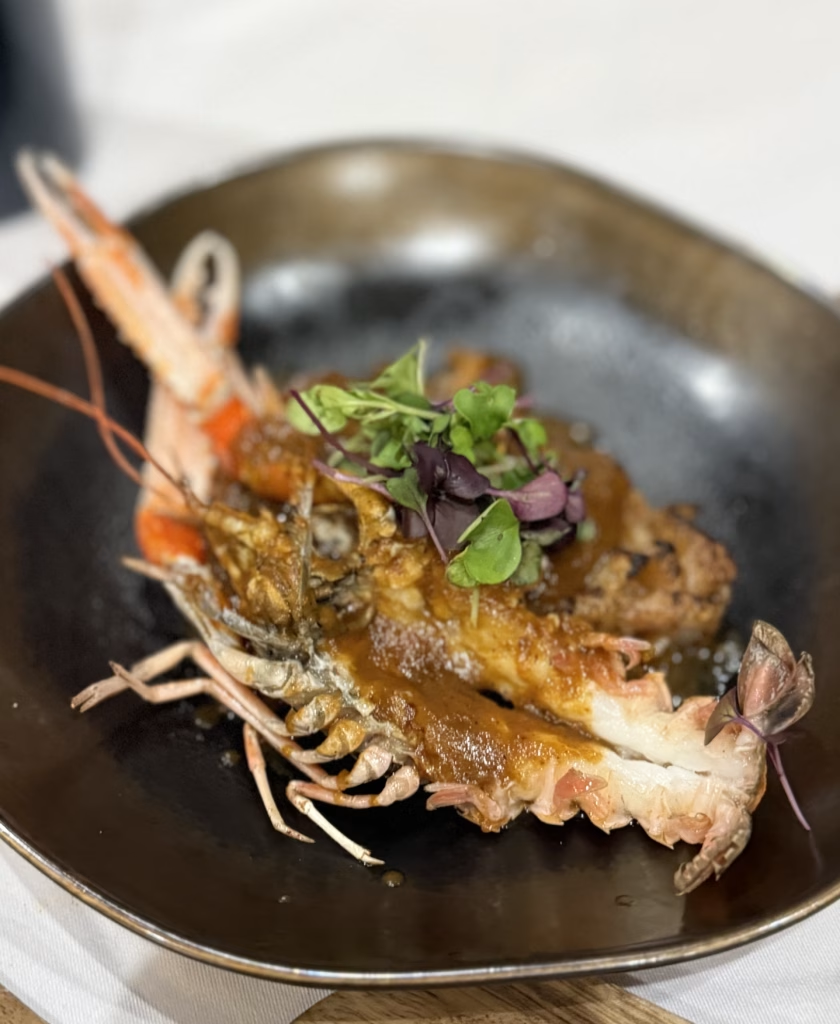
Terrina de pies de cerdo con cigala pork knuckle frozen pie + langoustine
This dish looks a bit French and has the feeling of mixing Spanish seafood elements.
The pork knuckle frozen pie itself is a relatively heavy texture and gelatinous dish, while the langoustines try to provide a little seafood and a sense of high-end. However, when it actually tastes, the amount of langoustine meat is not large, and the sense of existence is weak; the pork knuckle frozen pie does not show a particularly impressive depth of flavor, and the whole is a bit ordinary.
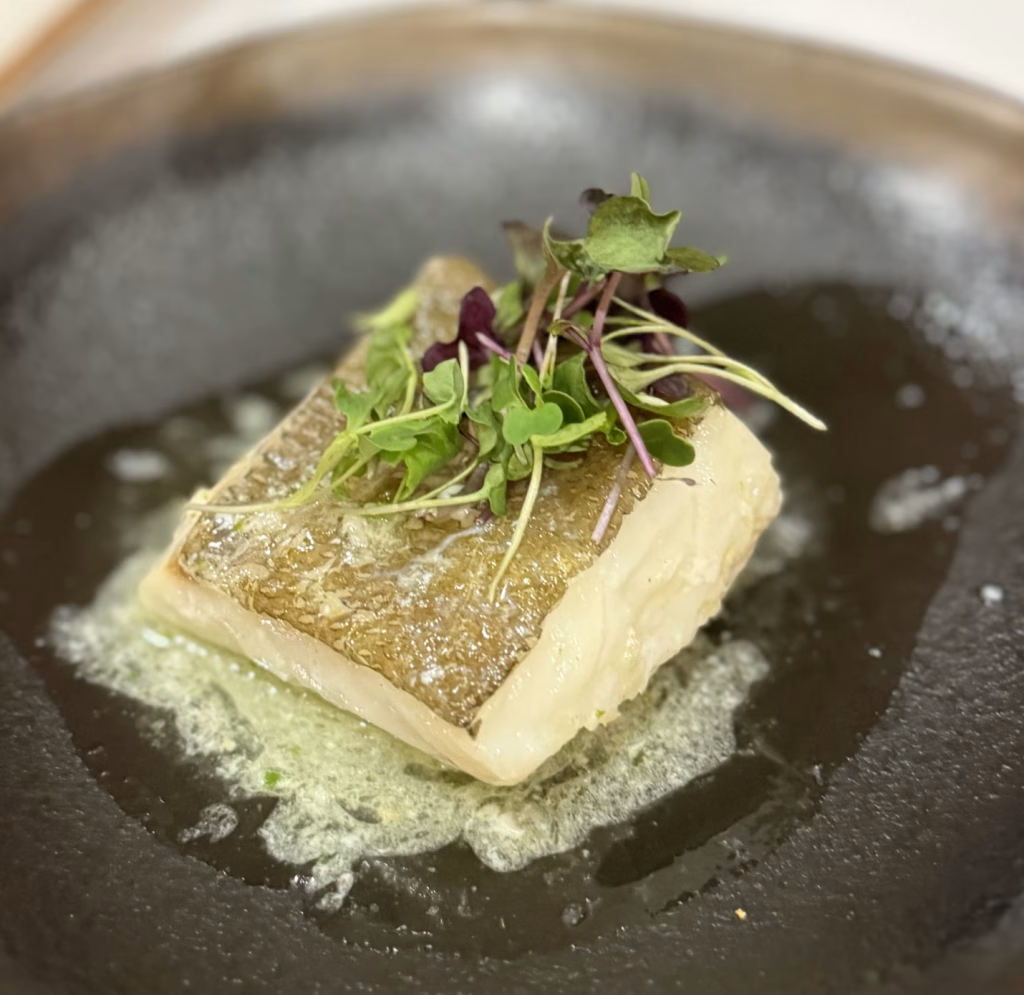
Bacalao confitado con emulsión de cava oil-sealed cod + Cava sparkling wine emulsified sauce
The maturity of cod is good, and the meat is soft and tender. This is its most obvious advantage.
The problem lies in the nominal Cava emulsified sauce. Judging from the name of the menu, I would have expected it to have at least a little of the acidity, fruity or mineral lines common to sparkling wine. As a result, it actually tastes more like a normal creamy white sauce, and it can hardly be recognized by Cava. In other words, it's not that it's not delicious, but that the name of the dish is very attractive, but in the end it didn't really make that characteristic.
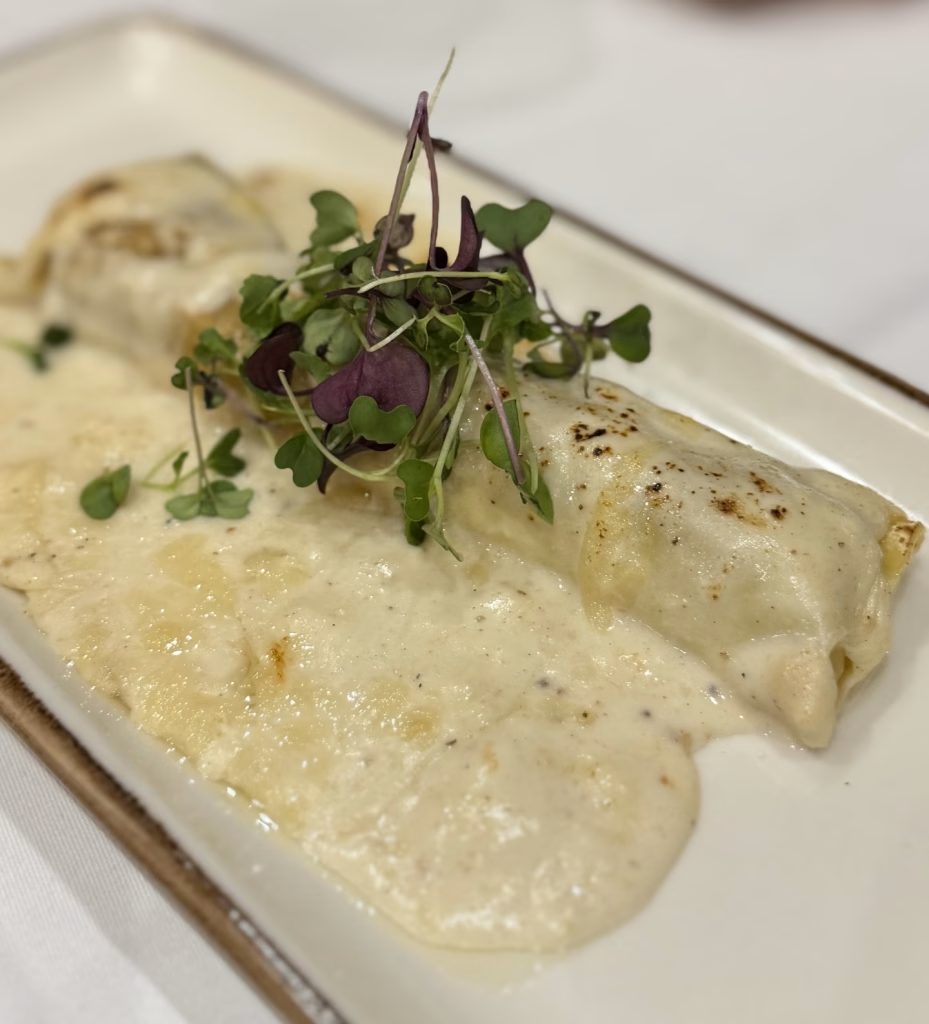
Canelón de pato y foie duck + foie gras Italian roll noodles
This is the one of the three main dishes that I find relatively interesting.
Wrapping duck and foie gras in the form of canelón is inherently more varied than the main course options in ordinary Spanish restaurants. After cutting, you can eat the fiber and rich meat flavor of duck meat, and the overall taste is smooth. It is a pity that although the name of the dish is foie, the sense of existence of foie gras is actually not so distinct, and it does not push out the richness and fat flavor it deserves.
Postres|Dessert
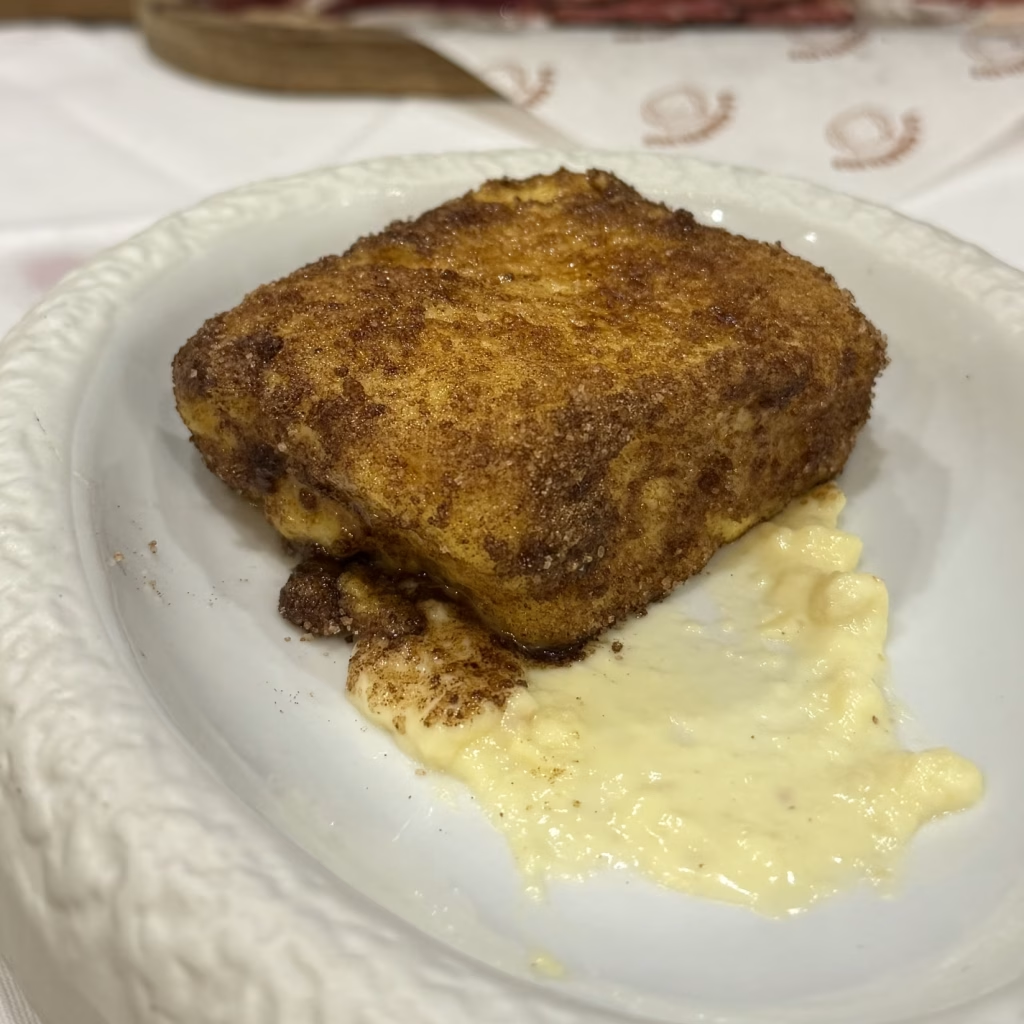
Deconstrucción de mojito Mojito Deconstructed Dessert
The form of serving this dessert is actually different from what I originally imagined when I saw the name of the dish.
The so-called mojito deconstruction is theoretically reminiscent of the reorganization of lime, mint, sugar, rum and ice, but in fact it is more like a soft pudding texture, with a layer of powdered cinnamon sugar wrapped in the outer layer. The overall direction is a bit far from the refreshing feeling of the classic mojito, but it is more like another sweet dessert, just borrowing the name mojito.
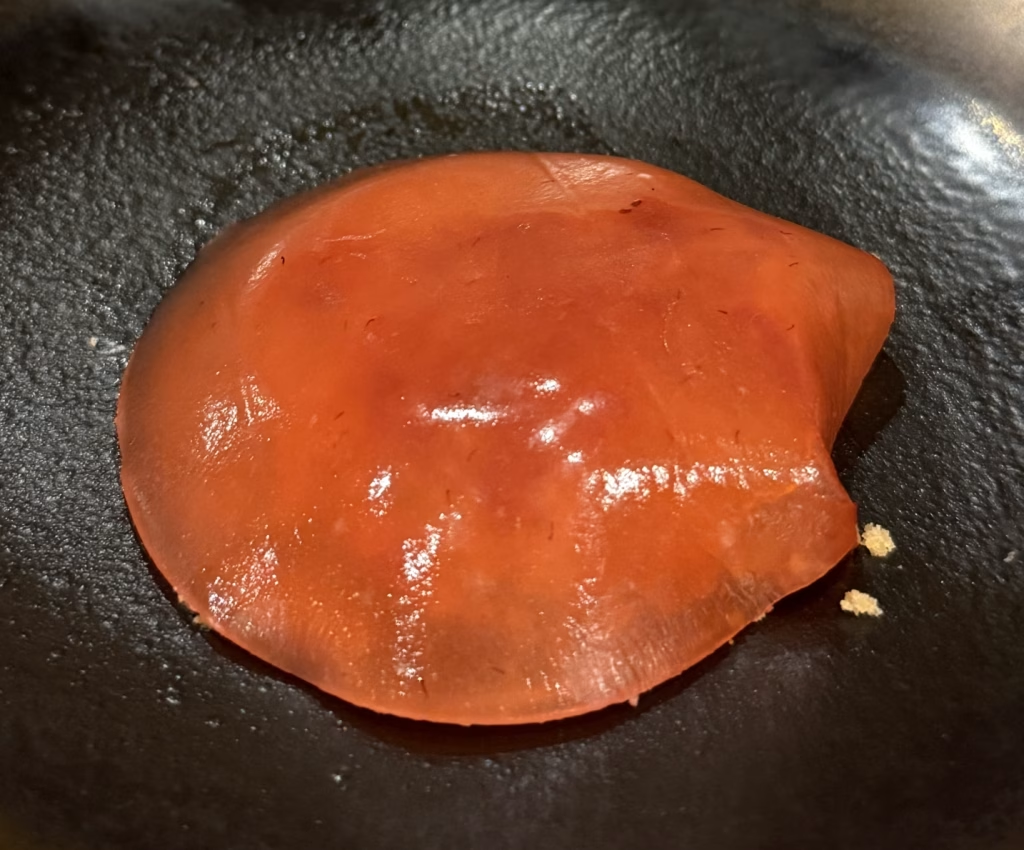
Tarta de fresas y merengue Strawberry meringue tower
This one is more straightforward: strawberry jelly, strawberry slices, biscuits, and meringue elements. The overall taste is clean and easy to understand, but it is too ordinary and there are not many memory points.
Suitable for wine pairing
Set meal with two wines
The store said that this package has two wines to match, and three people drink two bottles in total, one white and one red.
Judging from the overall positioning, these two wines obviously hope to use "local regions" as a way to supplement the value of the package, and they have indeed chosen wines from local regions in Spain. However, they are more like a basic pairing in a meal, rather than a pairing that will surprise people.
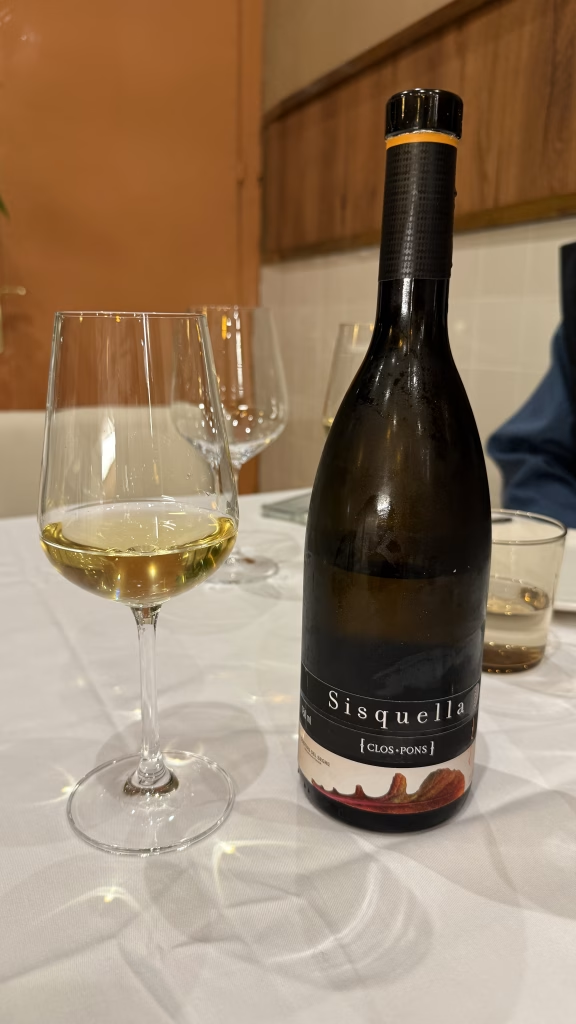
White wine|Sisquella
Garnatxa Blanca / Albariño
Region: Costers del Segre
The variety combination of this liquor is quite interesting: Garnatxa Blanca provides body and ripe fruit, while Albariño usually brings brighter acidity and citrus and white flower tones. Put together, in theory, it will be a liquor style that combines fruity and refreshing.
If you use the context of Spanish liquor to understand it, it does not take the extremely cold mineral type, but is more like a route with a sense of Mediterranean sunshine while retaining a little fresh lines. It is logically reasonable to match the cold cuts, clams or rice in front of it, because it should be able to catch the seafood and salty appetizers without being too heavy.
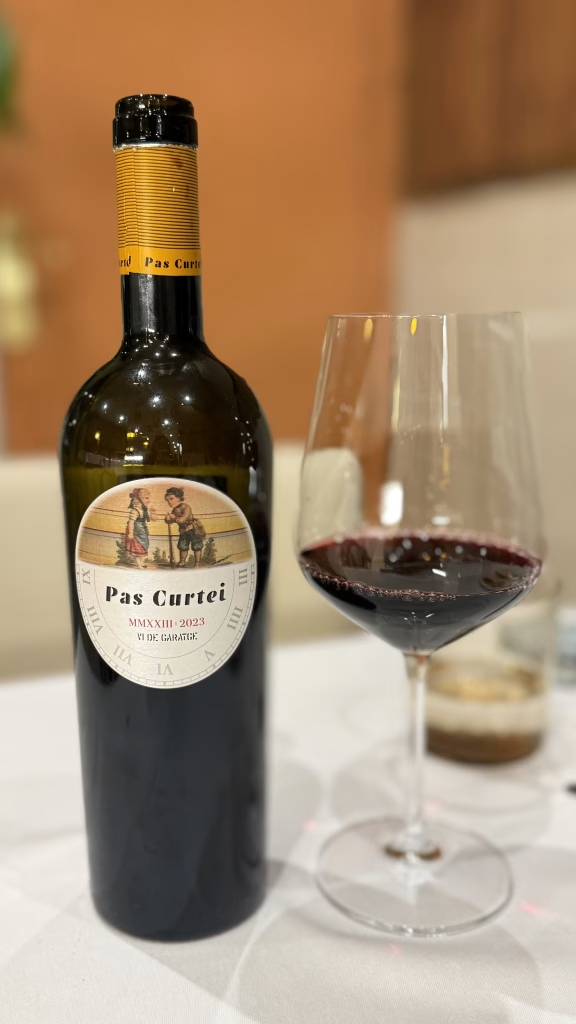
Red wine|Pas Curtei
Carignan / Cabernet Sauvignon / Merlot
Region: Penedès
The red wine comes from Penedès. This blend is very interesting because it combines the more typical Mediterranean variety Carignan with the international varieties Cabernet Sauvignon and Merlot. It stands to reason that Carignan will provide acidity, dark fruits and a little rusty, Cabernet adds structure and tannins, and Merlot is responsible for softening the taste and replenishing some ripe fruit flavors.
Therefore, the positioning of this wine is probably a medium-bodied, fruity and structured Spanish wine-based red wine. It is reasonable to match meat dishes such as duck canelón and pork knuckle frozen pie.
Final Thoughts
In the La Caleta 102 set menu, you can indeed see some classic elements of Catalan, Spanish and Mediterranean cuisine: such as Gilda, croqueta, cold meat, clams, rice, cod and duck canelón, but also mixed with some modern or creative dishes.Dishes.
The problem is not that the food is not delicious at all, but that the overall experience makes people feel:
This is more like a set of fixed packages designed for foreign customers during the MWC International exhibition.
There are many elements in the dishes. In fact, they can be eaten in other Spanish restaurants, and some places are even better. In addition, the content of the set meal does not exactly match the actual dishes, and the deposit is not deducted at the checkout. Accumulated, these details will make people feel that the overall impression is greatly reduced.
So if you just happen to be nearby and want to eat a Spanish set meal that doesn't need to use too much brains, it's not that you can't eat it; but if you have a special itinerary and want to find a shop that is worth the special trip, I don't think you really need to come for it.
Rating and Cost
- ️️Rating: 4/10
💰Price: Package 74 euros/person
Restaurant information
- address:Avinguda del Paral·lel, 102, Eixample, 08015 Barcelona,
- Reservation:https://www.lacaleta102.com/la-carta
Can you accept this kind of menu dedicated to tourists?
This meal is fully self-financed.