
Content table of contents
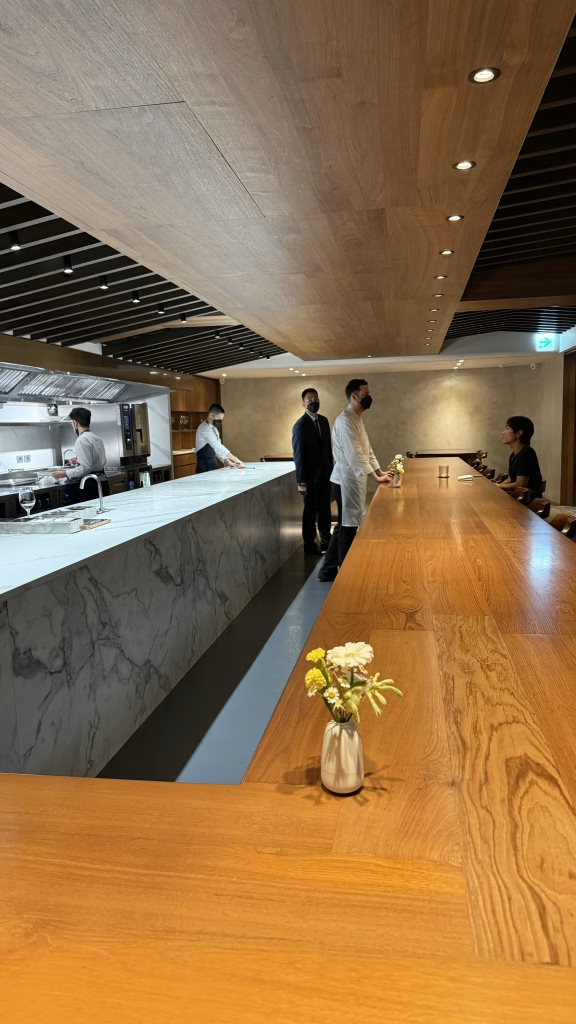
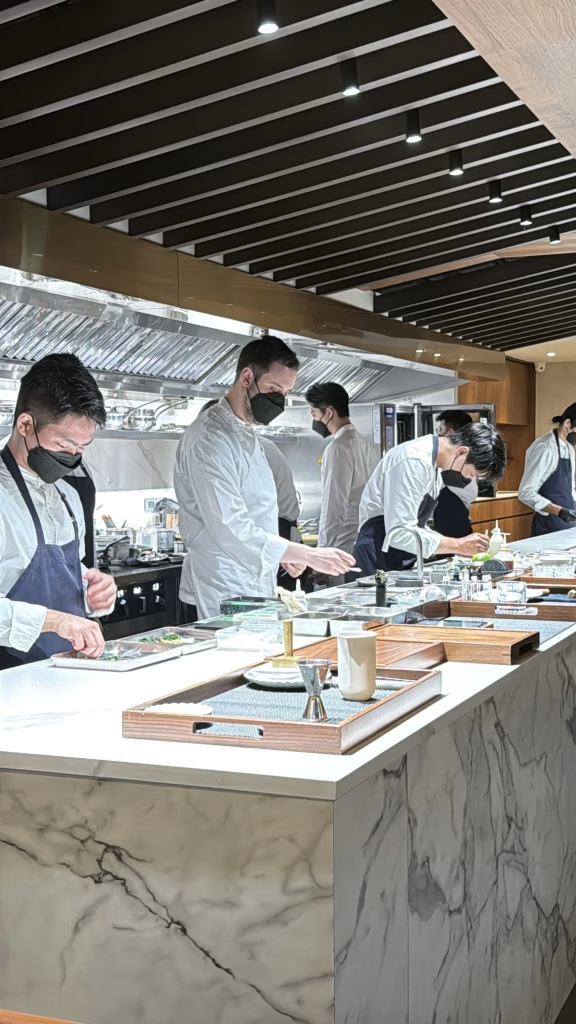
Walking into Ad Astra, the first impression is not the setting, nor the aroma, but the pattern of the space: the counter seats are facing the open kitchen, from the appetizer to the main course, every action of turning the pot, every detail of the setting, are within sight.
This design choice is not accidental. It allows the diner to change from a passive recipient to an active observer, giving the entire Tasting menu an extra layer of transparency and presence. This time I ordered a ten-course chef's menu of 4,280 yuan and matched it with a non-alcoholic cocktail combination of 1,980 yuan. The following are recorded one by one.
#Taipei Michelin #Taipei Food #AdAstra #Non-alcoholic drink #TaipeiMichelin
(Dining in June 2026)
Ad Astra restaurant introduction and Dining experience
Cooking record
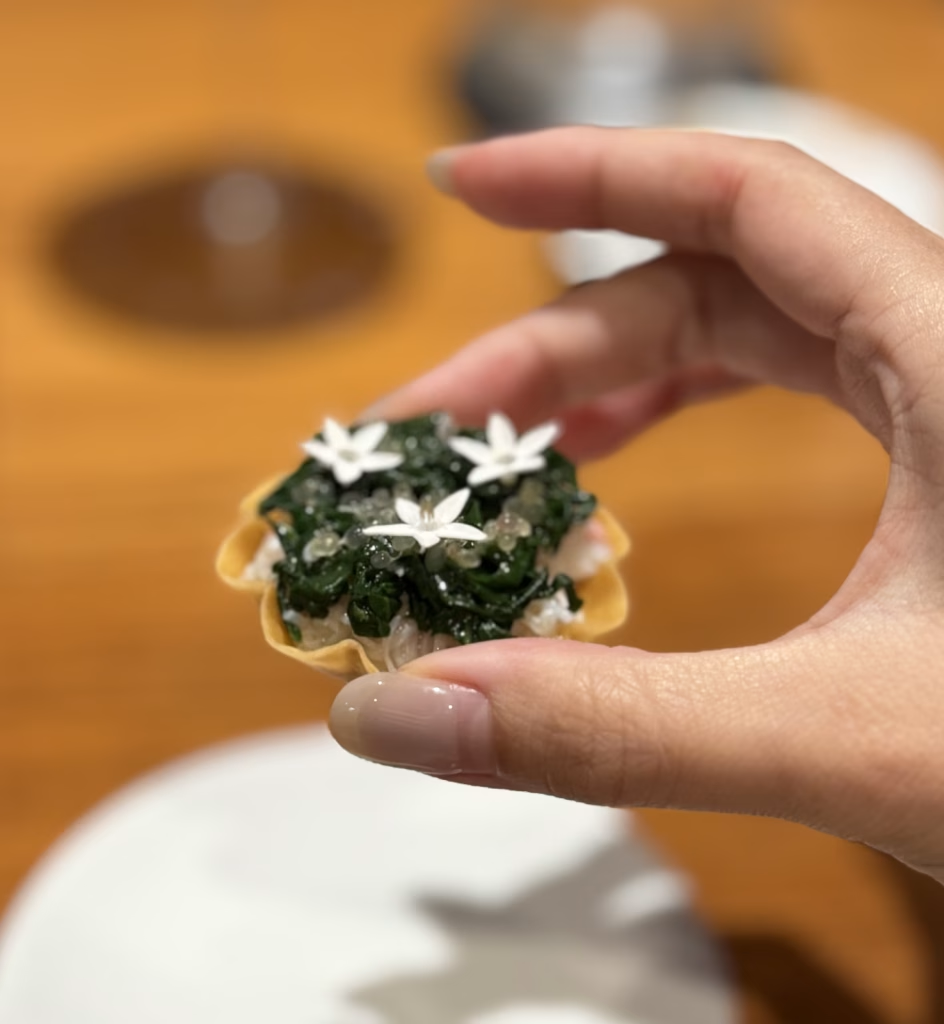
Matsuba Crab Spinach Finger Lemon
The bottom layer is made with crab miso into a French yogurt sauce, topped with spinach seasoned with grapefruit and pepper, and finally finished with finger lemon and white star flower embellishment.
The salty and richness of crab miso is the main axis, the spicy aroma of grapefruit pepper and the hidden fruit acid are supported at the back, and the granular taste of finger lemon bursts out a delicate citrus fragrance during chewing. The combination of the three levels is neat and precise.
This appetizer does not have a gorgeous visual language, but it makes a good start with a solid flavor logic.
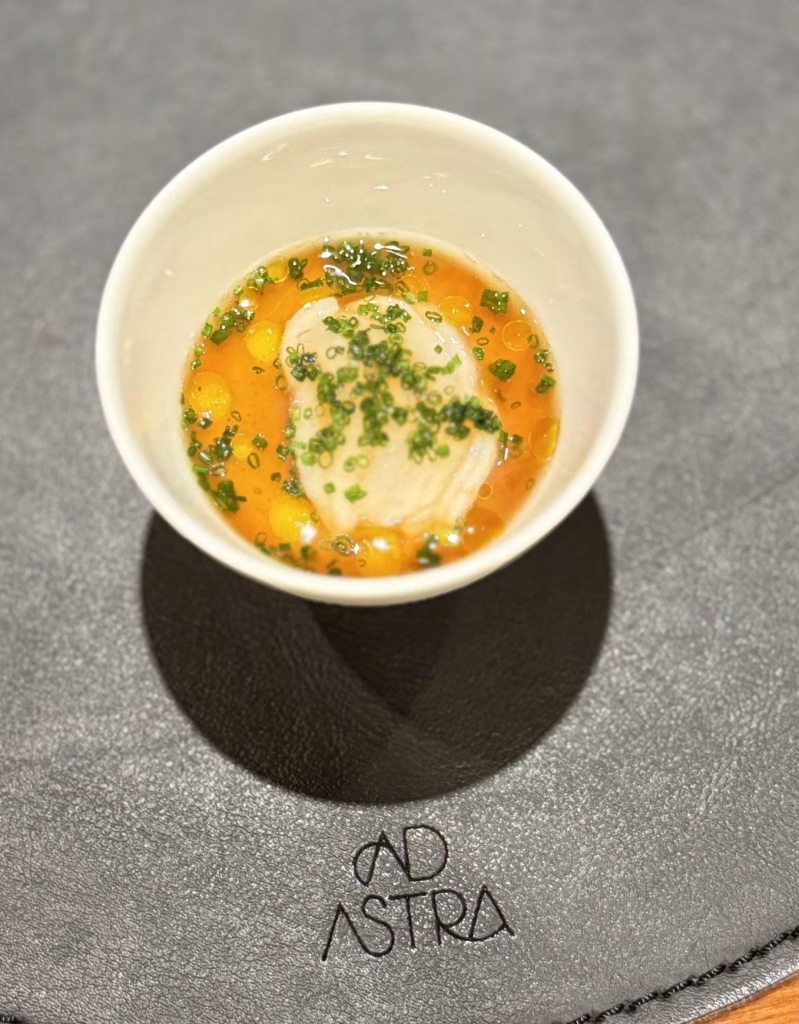
Tea bowl steamed Toyama Sweet Shrimp Bacon Chai Fish Stock
This is the most impressive one in the first part of the night.
Ad Astra chose to use homemade bacon and wood fish to cook the stock together. This combination already has a strong personality in itself.
The smoky, salty and fatty flavor of bacon and the elegant seafood flavor of wood fish form a harmonious and tense background in the stock. It does not grab the drama, but gives the flavor of the whole dish a three-dimensional sense of support. The top is paired with sweet shrimp from Toyama Prefecture, Japan. It is cooked raw and aged, staggered by sea and land, but the overall collection is very clean.
This dish makes people feel the chef's confidence in the choice of ingredients and the logic of flavor. It seems calm, but in fact it is rich in layers.
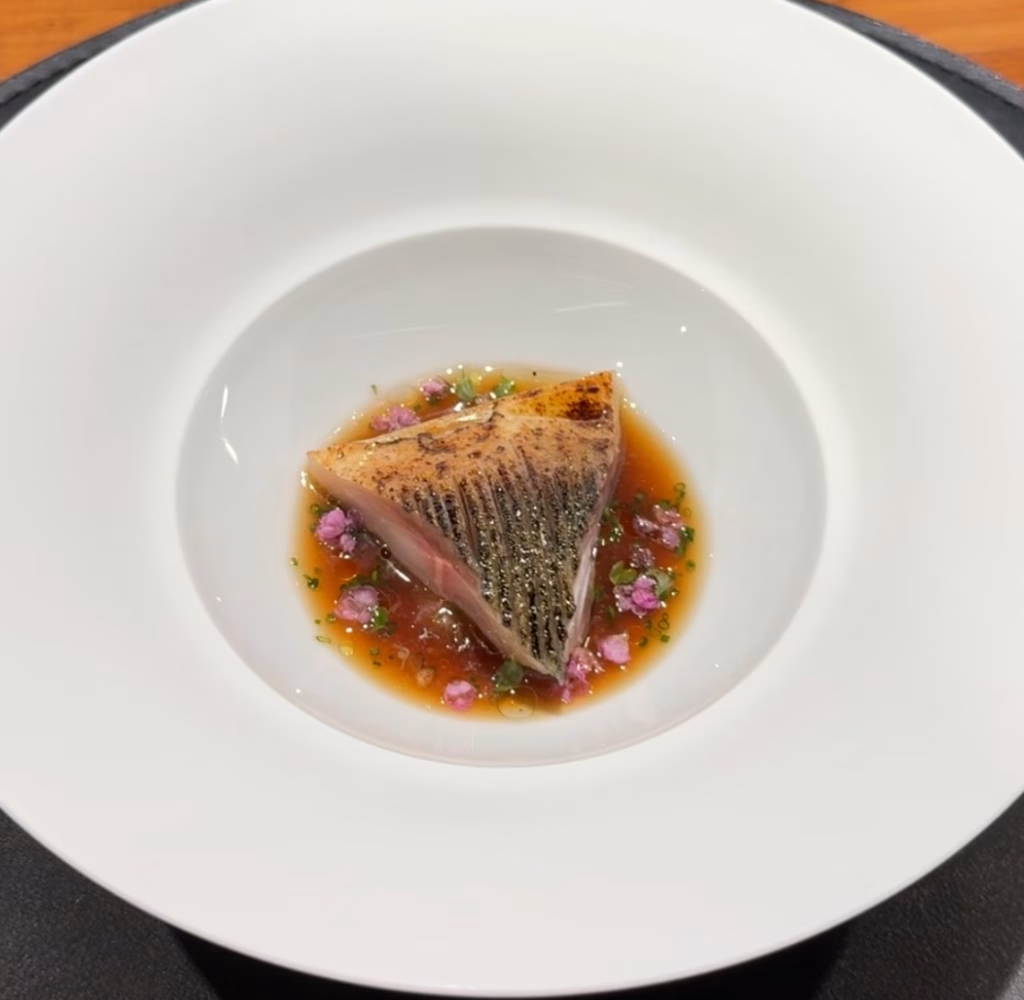
Mackerel, coffee, tomato, vinegar, wow sami oil
This is the most conceptually bold appetizer of the night.
Mackerel from Oita Prefecture, Kyushu, the skin is precisely roasted and tinged, and the fish remains in a semi-cooked state, retaining the plump taste of the mackerel itself.
The sauce is made with tomato and coffee, with mustard oil and coffee oil, and finally with perilla flowers and ezo shallots.
Coffee is not new in salty food cooking, but to make the aroma of coffee appear clearly and not obtrusively in fish dishes, what is needed is a fine grasp of contrasts.
This dish has done it-the bitter burnt aroma of coffee does not suppress the fish fat, but instead seems to add a neat outlet to the oily feeling of mackerel, making the whole lighter.
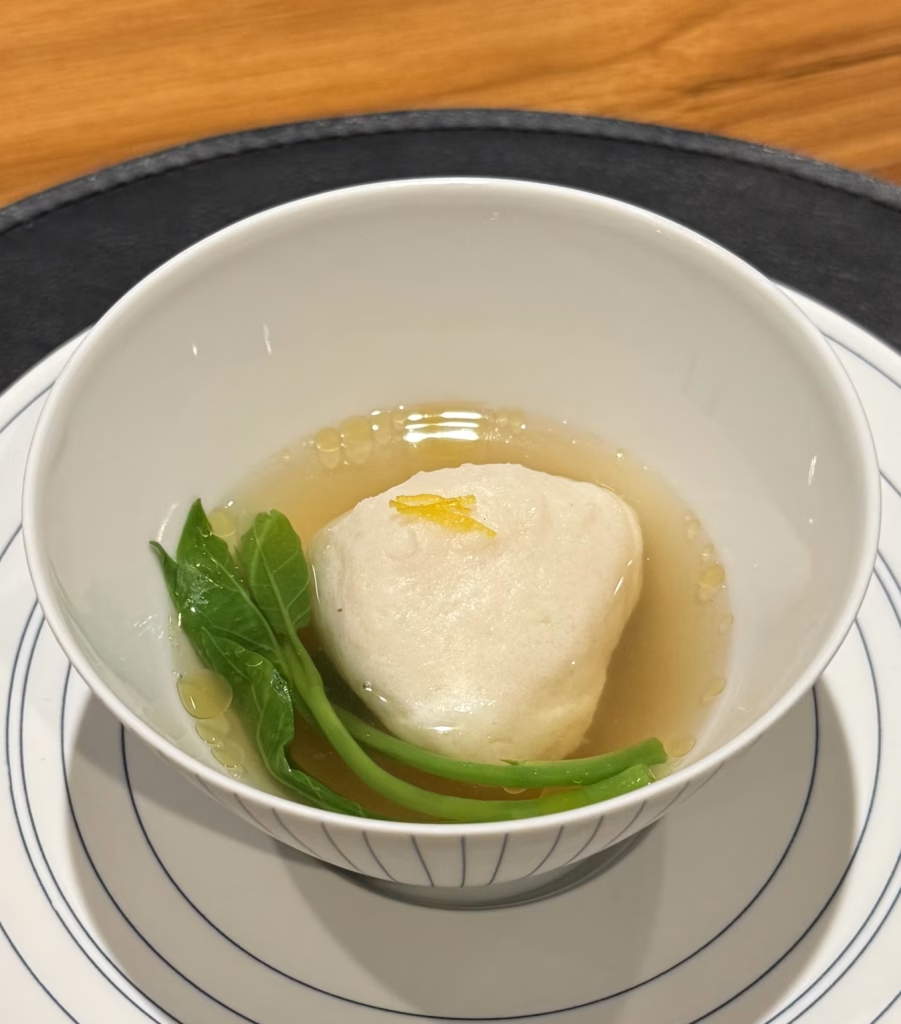
Zhenzhang Sea Bream Clear Soup Palace Dish
Zhenzhang is a traditional dish with a long history in Japanese Kaiseki cuisine. The difference from fish balls is that the construction method focuses more on the light and fluffy texture rather than the solid and elastic taste. The difficulty of making it lies in how to make the ingredients maintain the integrity of the structure after they are fully emulsified.
This dish made of sea bream, shrimp meat and protein, the taste is indeed in place, fluffy but not scattered, and there is a sense of presence in the softness.
The sea bream clear soup at the bottom is clear and delicious. The palace vegetables provide a cool contrast to the leafy vegetables. The addition of saffron oil brings a visual golden color and a faint floral fragrance. Finally, it ends with orange peel, trying to add a fruity dimension to the clear soup dishes.
The production process of the whole dish is impeccable, but compared to the creative intensity of the previous few dishes, this one is more conservative in flavor design, and the sense of surprise is a bit insufficient.
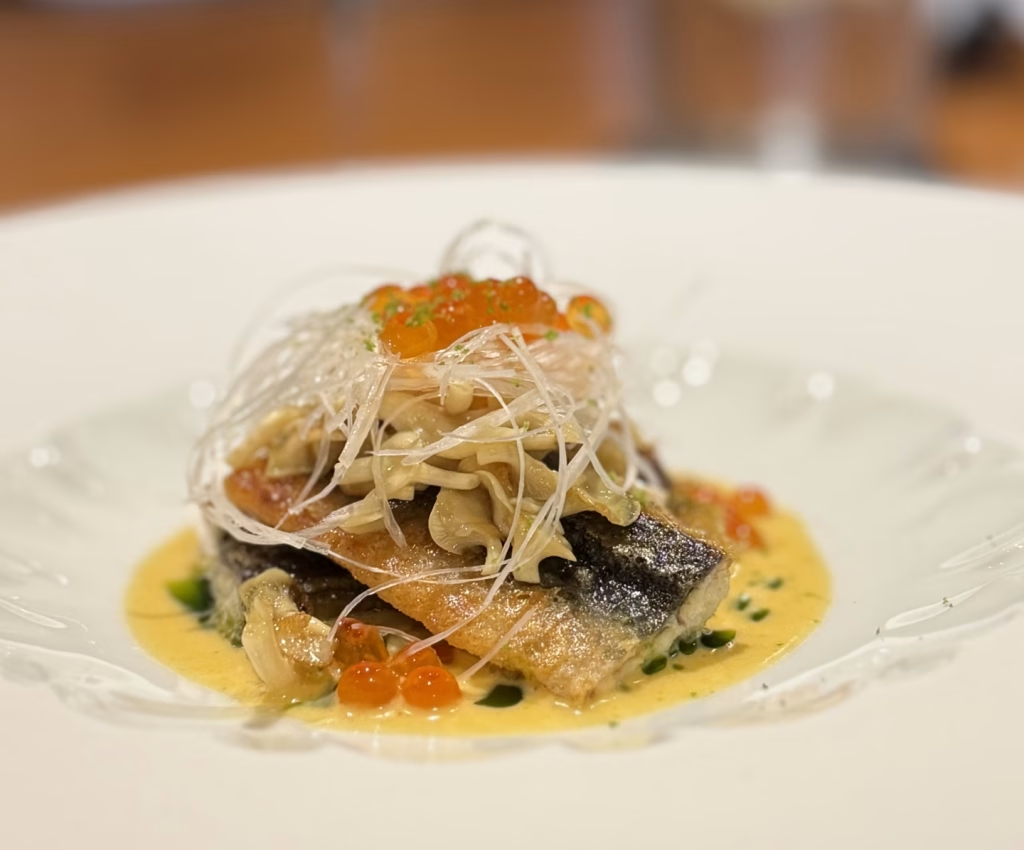
Pan-fried eel, fermented chili cream sauce, Japanese scallions
The creative ambition of this dish is quite obvious: the bottom sauce uses the traditional Japanese "Hanzukuri" chili sauce, which is a sauce made by spreading chili peppers in the snow for low-temperature fermentation in the harsh winter. It has the natural fragrance of grapefruit and the mellow sourness of fermentation, and then coconut milk.It is blended into a French-style milk sauce, trying to build a space where Nanyang and French meet on the skeleton of Japanese food.
The eel itself is pan-fried properly, with a crispy skin, topped with shiitake mushrooms, Japanese green onions and salmon roe, and finally shaved into lime peel and drizzled with coriander oil.
However, the problem is here-fermented chili, coconut milk, coriander oil, salmon roe, lime peel, each element is convincing when it exists alone, but it is too crowded in the same dish, the main axis of flavor is not clear enough, the overall impression tends to be complex and difficult to focus.
This dish has good ingredients and ideas, but it has yet to be refined.
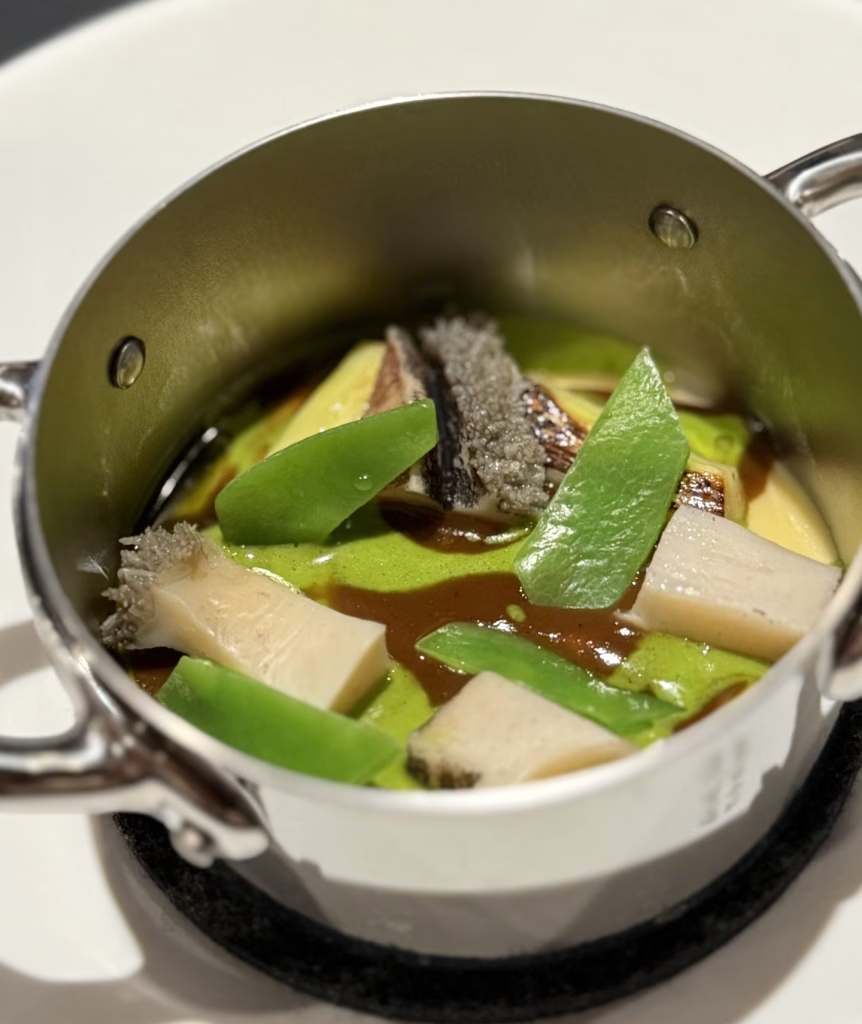
Abalone mashed potatoes with moray sauce
The abalone produced in southern Iwate Prefecture, Japan, has always been known for its thick meat quality and Q-bomb taste. It is processed by roasting in this dish. It is paired with the fermented mashed potatoes laid out below, with a faint slight sourness. It is a rare but reasonable Western-style transformation.
The green perilla milk sauce above provides a plant fragrance, and the most interesting thing is the Moray sauce on the side-this traditional sauce from Mexico is made from a variety of peppers, dark chocolate, nuts and spices. It is brewed for a long time. The depth and complexity of the flavor are unparalleled, so there isIt is called "Mexican curry".
The highlight of this dish is that the chef further uses abalone liver into the sauce, trying to enrich the level of Moray sauce with the salty base of local ingredients. This idea is very creative.
But unfortunately, the complex flavor of Moray sauce itself did not fully unfold after it was served. The overall taste was relatively convergent, and it did not make people truly feel the depth of this sauce. It is a dish that is still far from the implementation of creativity.
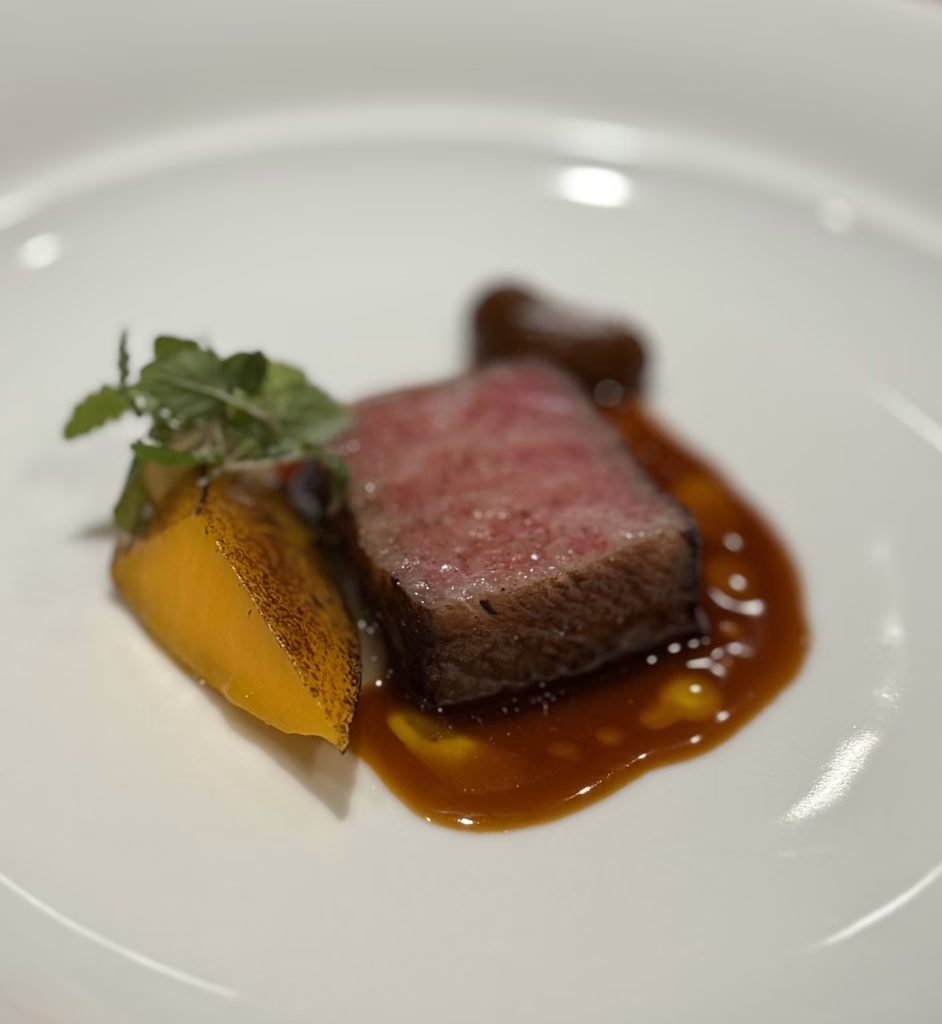
Wagyu coking cabbage Miso Aiwen Mango
There is no doubt that this is the most exciting one of the night.
Japan's Kagoshima A4 grade Miyazaki Wagyu beef has a uniform distribution of oil flowers, full aroma, precise maturity, beautiful pink facets, and good gravy locking.
But what makes this dish truly outstanding is the overall design of the side dishes and sauces.
The coked cabbage miso has a burnt fragrance and slight bitterness, providing an effective contrast between cutting and the feeling of butter; the roasted and processed seasonal Avenues mango further balances the richness of the oil with the sweetness of the fruit, so that you will not feel stagnant after every bite.
The sauce made by Marjoram, smoked ginger oil, horseradish oil and lemon balm provide support at different levels of aroma, allowing the whole dish to maintain a clear flavor structure from the entrance to the aftertaste.
This technique of "neutralizing meat fat with fruits" is not new, but it is the real skill to be able to choose the right ingredients, present them in the right way at the right time, and present them in the right way.
This main course will make people want to order another one after eating.
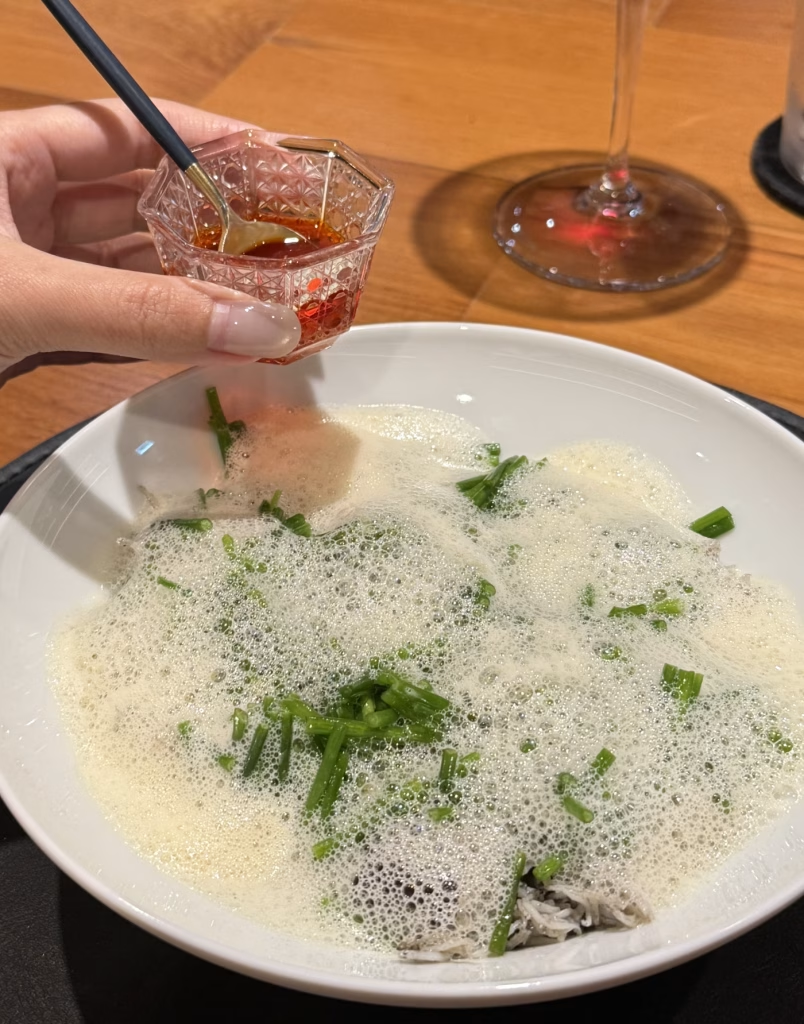
Koshihikari Rice Water Lotus Rag Foam
The last salty food of the night, with Niigata Prefecture Koshihikari rice as the main character.
After the rice is cooked, stir in cypress oil and red vinegar, and then add a small amount of lard to enhance the flavor. The intervention of the three oils allows the rice to retain its own sweet aroma while adding a fuller layer of taste thickness.
The top is covered with roasted dried fish, water lotus and shiitake mushrooms. The foam of the rag is the most recognizable element of this dish in Taiwan's terroir-the rag itself has a salty and sweet fermented taste, presented in the form of foam, it is light but not heavy, making the whole rice food moreThere is a hidden sense of Taiwanese place.
Attach the characteristic spicy oil with a small degree of spiciness. It is recommended to taste the original flavor first, and then add it according to personal preferences. The two states have their own charm.
For this finishing meal, it is a conscious design judgment to choose a sense of satiety and local identity as the end of the salty food all night.
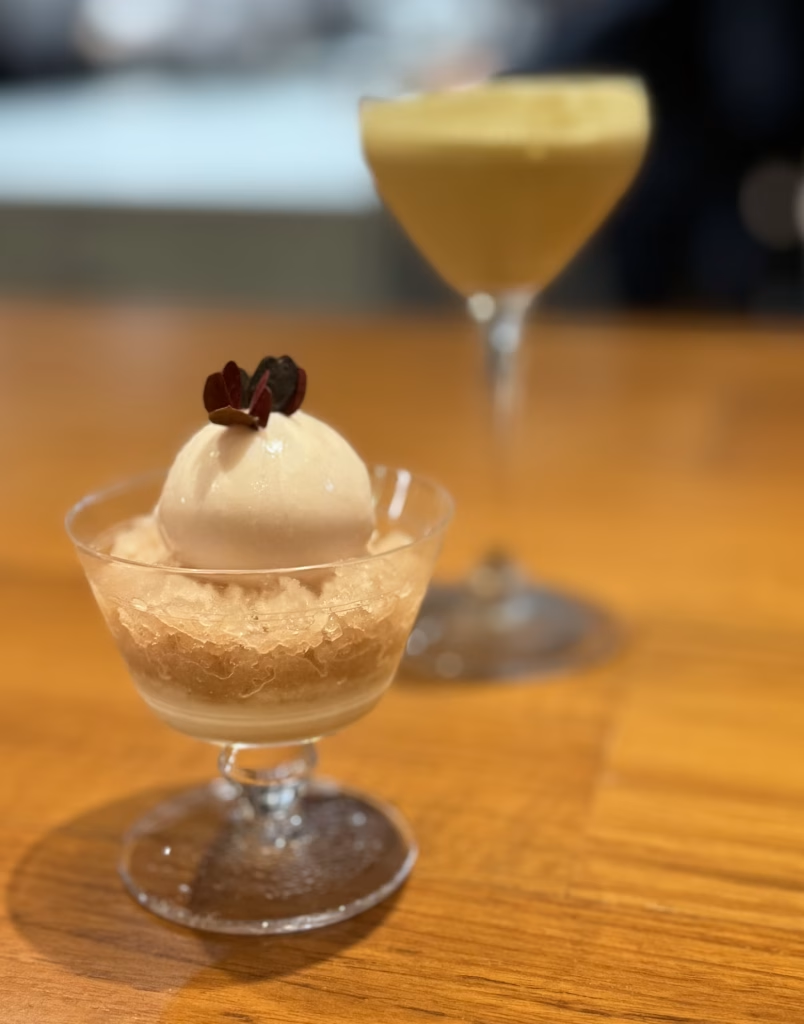
Salted cherry blossom smoothie, Sweet wine, white peach sorbet
For the first dessert, the positioning is to clear the mouth, but it is much more than that.
The bottom layer is based on Italian cheese, paired with sweet wine, and the top layer is covered with white peach sorbet and topped with vanilla oil, ending with the slightly sourness of red pearlescent grass.
Sweet wine wine plays the most critical role in this dessert: its fermented aroma of rice koji gives the whole dessert a warm and oriental flavor, forming a contrast with the sweetness of white peach, rather than simply providing sweetness support.
The complexity of this dessert is deliberately controlled in a light category. It does not grab the forefront of the main course, but it has enough personality to make people stop and savor it.
Sweet wine is not uncommon in Taiwanese desserts, but the way it is used in this context is quite textured.
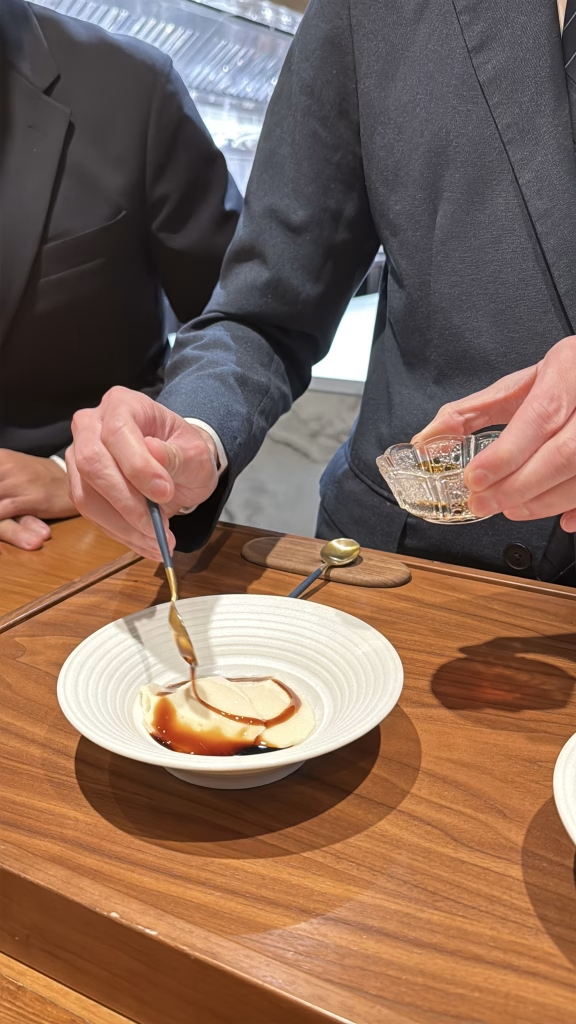
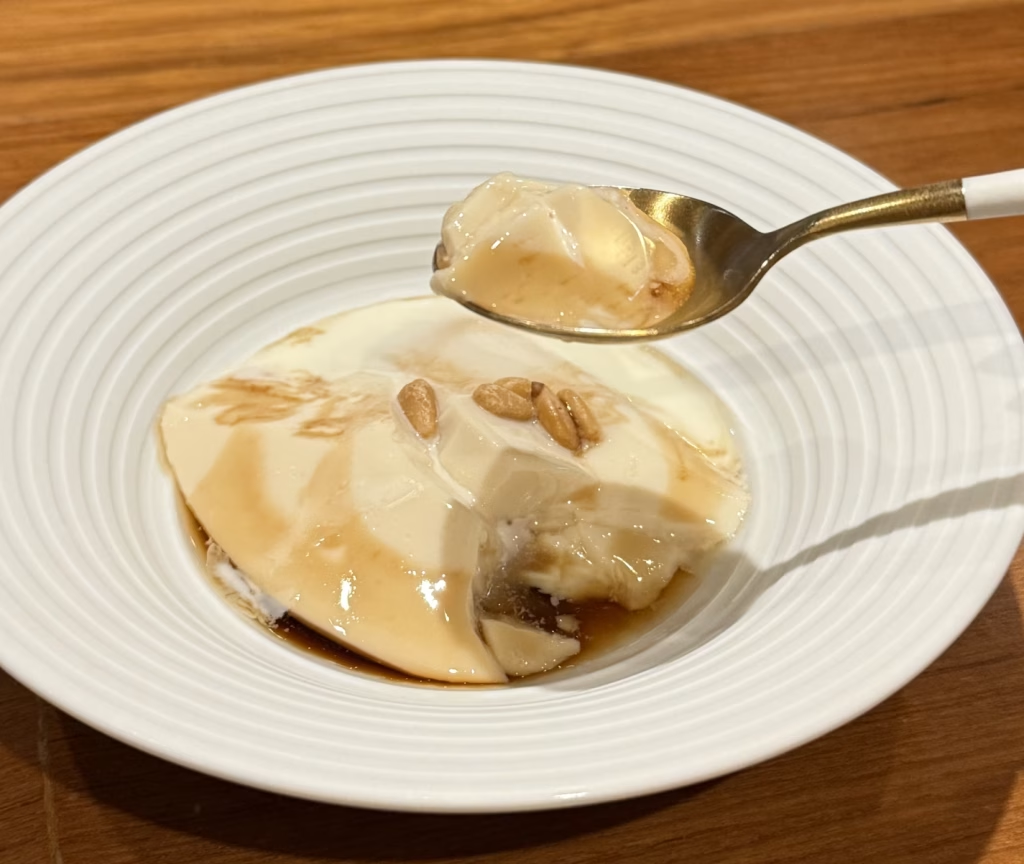
Douhua Earl Grey Brown Sugar Honey Pine Nuts
The choice of Douhua for the finale dessert is a kind of announcement in itself.
The bean curd made with three-temperature sugar has a smooth texture and is topped with brown sugar puree brewed with Earl Grey tea, brown sugar and honey. The bergamot aroma of Earl grey tea is looming in the sweet brown sugar base, which is quite layered.
Coupled with the addition of white soy sauce, the whipped cream gives the whole dessert a salty and fresh dimension in addition to the sweetness, which effectively reduces the greasy feeling.
The addition of sesame oil is the finishing touch, and together with the roasted pine nuts, it brings a nutty aroma and chewable texture.
The success of this dessert lies in the fact that it chooses the most local and simple language of ingredients, but uses delicate techniques to make it appear natural and not abrupt in the context of Fine Dining.
Non-alcoholic drink
This set of five cups of Temperance Pairing is different from the traditional practice of pairing juice or sparkling water in general restaurants. Each cup has an independent design concept and flavor logic, which is closer to the specifications of "non-alcoholic craft drinks".
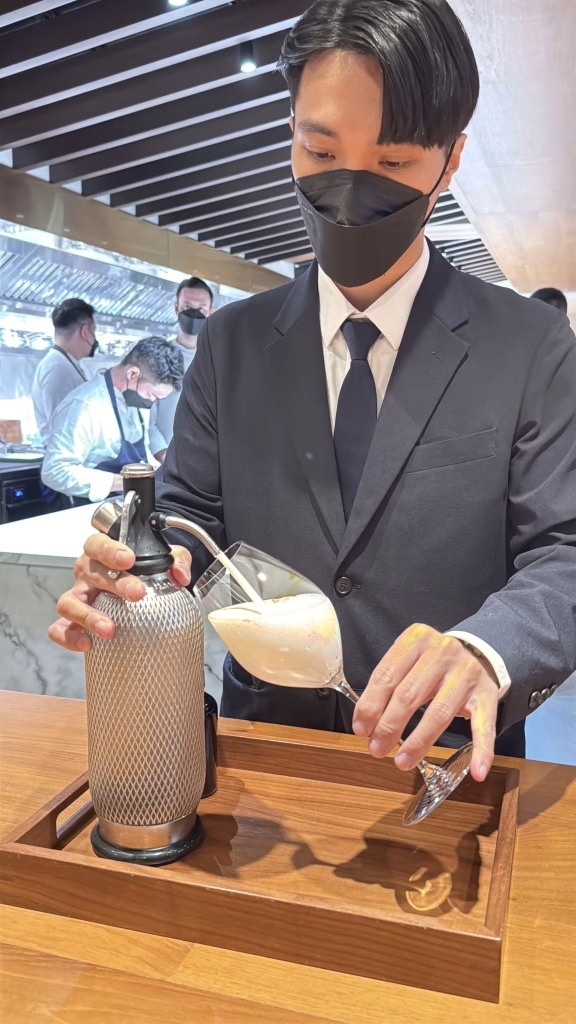
The first cup of four seasons spring tarragon, grapefruit and lychee
Using four seasons spring tea as the base, the herbal spices of tarragon and bay leaf are added. Grapefruit and lychee bring the dual dimensions of citrus and tropical fruity aromas. Olive oil is used to defoam and nitrogen is poured to create a dense and delicate bubble similar to cola.
The highlight of this cup design is that the use of nitrogen gas is not just a taste gimmick, but allows the aroma of tea to be released more evenly under the carrier of air bubbles; the front section of the tea fragrance is clear, and the back section of the fruity fragrance stretches, which is the opening of a clear narrative arc.
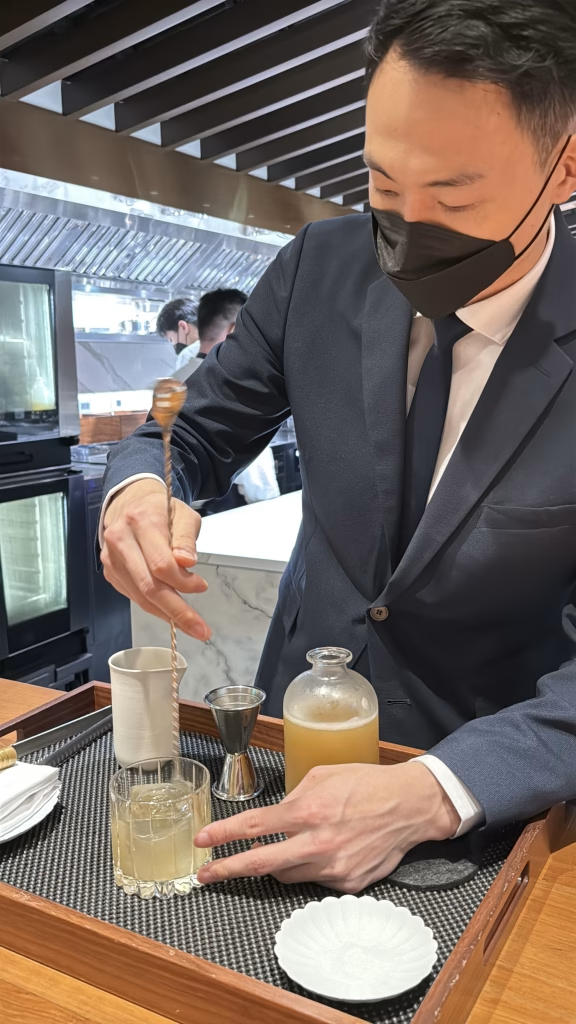
The second cup of smoked juniper berries and rhubarb spices
The cups are smoked with burning juniper berries before serving, so that the woody smoky tone is pre-prepared through the sense of smell before the drink is entered. This is a service design with a sense of theater.
The drink itself incorporates imported rhubarb, mung bean curd, coriander seeds, celery seeds and other spices. The aroma level is complex and deep, with a phyto-medicinal flavor similar to unsweetened absinthe. It is a cup with considerable depth and complexity in the whole set of blending drinks. It is suitable for drinks that like to have an angular flavor experience.or.
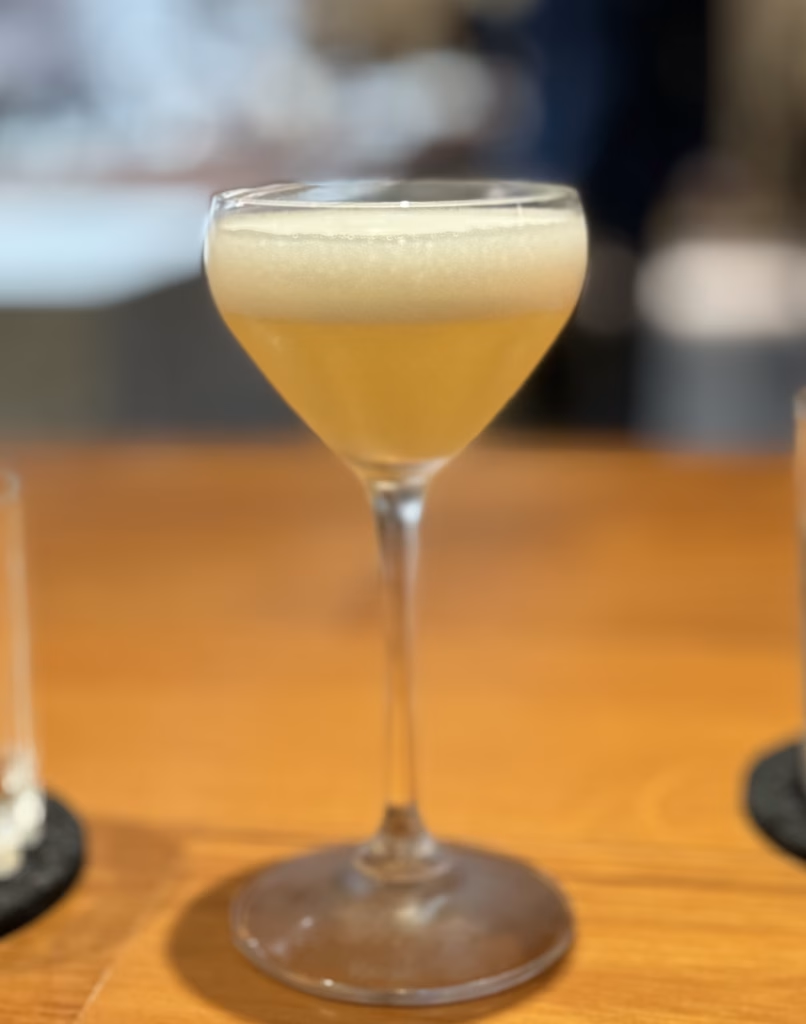
The third glass of beer, hops, green apples, celery seeds
With hops as the main axis, with the fresh fruity acid of green apples and the faint spicy fragrance of celery seeds, the addition of Tongning water brings a refreshing sense of bubbles.
The design direction of this cup is the most approachable-the bitterness of hops and the light fruity feeling of green apples support each other, and the bitterness of quinine in Tongning Water also echoes the vegetative nature of hops. Overall, it is refreshing and easy to drink. It is suitable as a buffer cup for conversion before and after the main course.
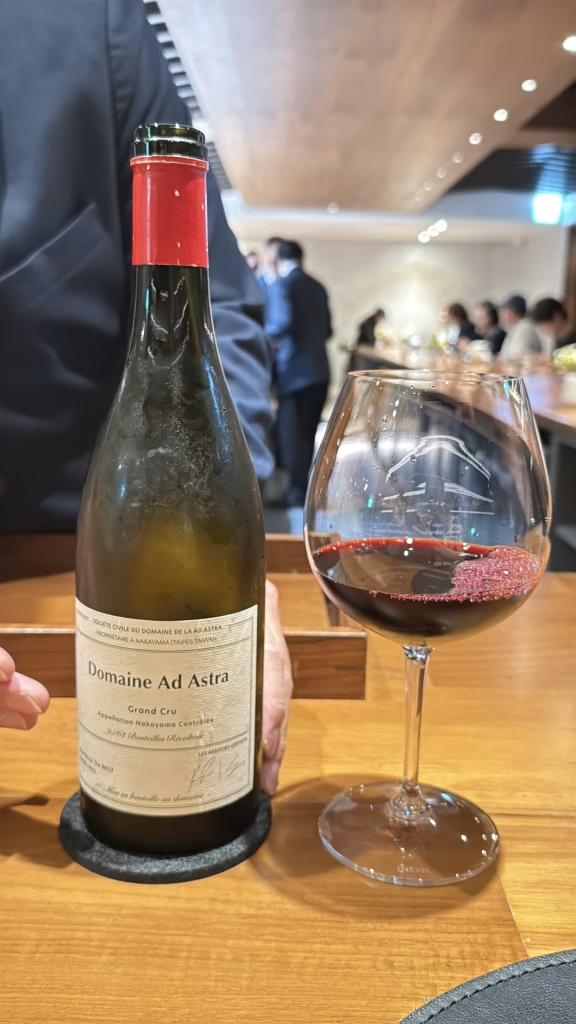
The fourth cup of Domaine Ad Astra Roselle Cherry Beetroot
This is the most topical and most complete cup in the whole set of blending drinks. The drink is based on Roselle, cherry, and beetroot, and is paired with juniper and red bud to simulate tannins, with the goal of imitating the color, aroma, and taste structure of Burgundy red wine.
What's even more interesting is that it is bottled in imitation of a Burgundy winery, with the name of the restaurant "Domaine Ad Astra", the address of Zhongshan District, Taipei, and the autographed wine label of chef Kevin Rose. The details are almost impeccable.
The performance after the entrance is indeed stunning-the sourness of the Roselle flower is similar to the tannin structure of red wine, and the beetroot provides the heavyness of the dark fruit. The whole glass is highly close to a young Pinot Noir in both vision and taste. The existence of this cup itself is enough to become a memory point.
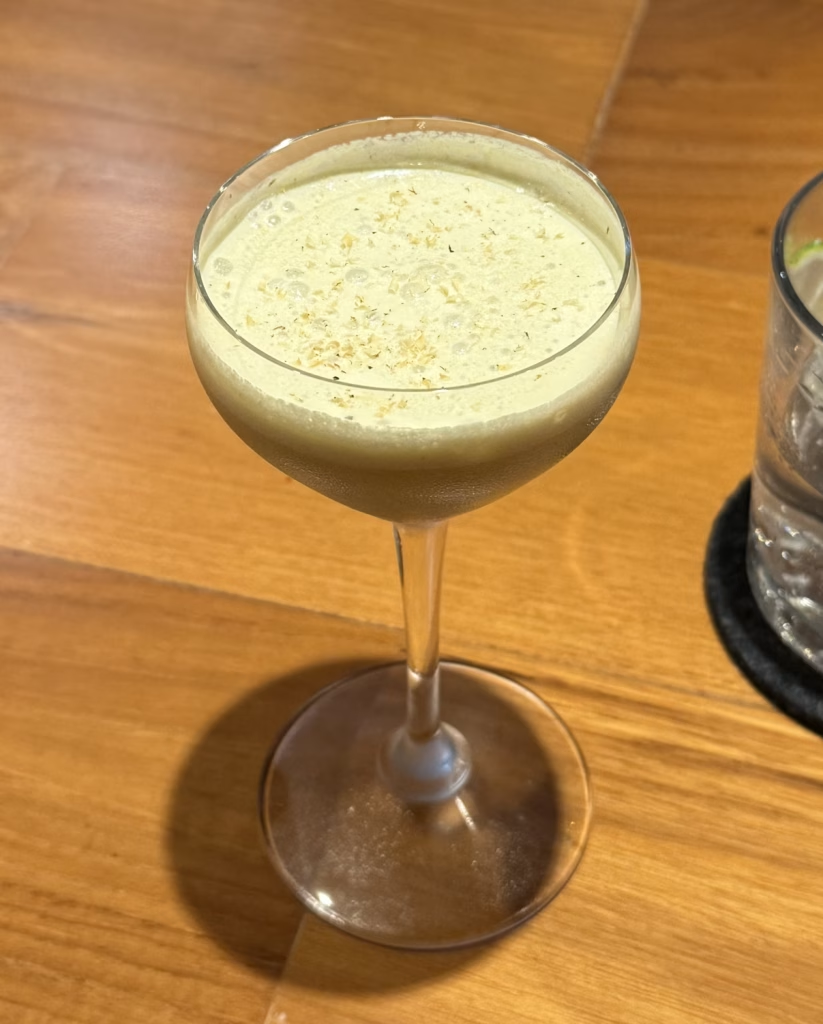
The fifth cup of pistachio, pineapple, star anise
Based on pistachio, the tropical fruity aroma of pineapple and the sweet and sour aroma of star anise are added, and the sparkling water is finished, showing a light structure similar to Gin Fizz.
Pistachio brings the creamy aroma of nuts, the bright fruit acid of pineapple provides a refreshing feeling, and the aroma of star anise is a surprise if there is nothing in the aftertaste. It is a round and pleasant ending drink.
The overall comment of the whole set of blending drinks is: each of the five cups has a complete design logic, and the richness of flavor creativity exceeds expectations. It is currently a rare high-level temperance pairing in Taipei's fine dining scene. The only regret is that the corresponding matching relationship with each dish has not been clearly established. The five cups are more like an independent set of performances than real food and drink accompaniment. If this can be deepened, the overall experience level will be greatly improved.
Final Thoughts
The overall completion of Ad Astra's ten-course menu is quite high.
The three most eye-catching dishes-Miyazaki wagyu main course, bacon chai fish steamed in tea bowl, and grilled mackerel with coffee oil-all demonstrate the chef's clear judgment and execution ability in flavor combinations. The two desserts also left a deep impression with the confident use of local ingredients. Ingredients.
The Zhenzhang and some dishes in the middle section are a bit conservative, and there is still room for adjustment in the creative landing of eel and abalone. The sense of presence, rhythm and details of the service brought by the open kitchen are maintained at a level consistent with the star rating. This is a restaurant worth visiting back. The only real obstacle is a difficult reservation.
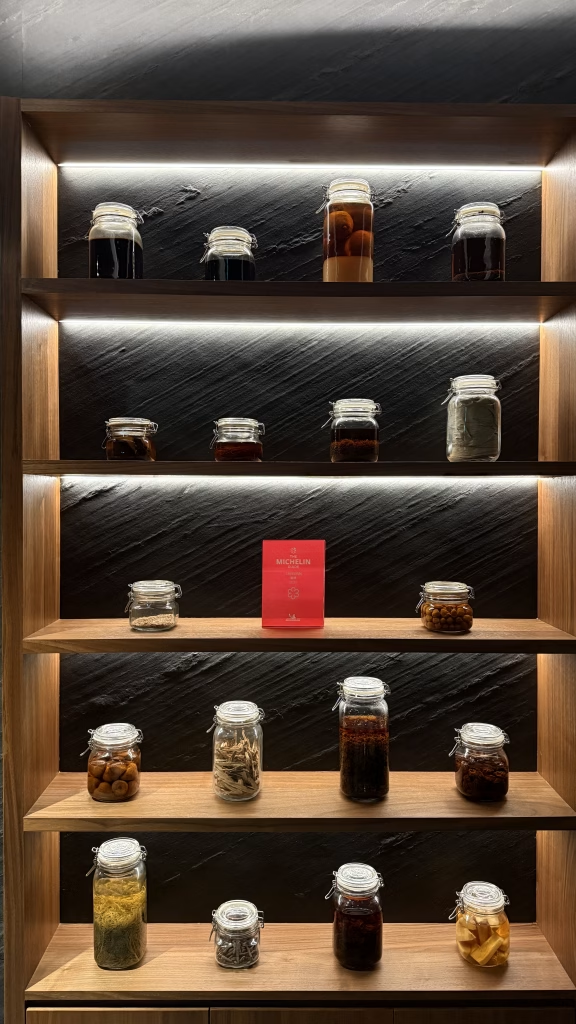
Rating and Cost
- Price| Tasting Menu 4280 yuan (ten-course style); non-alcoholic cocktail combination 1980 yuan
- Rating: 8.5/10
Restaurant information
- address:No. 23, Lane 45, Section 2, Zhongshan North Road, Kangle Village, Zhongshan District, Taipei City
- Reservation:https://inline.app/booking/-N6fGfWsh3gIJ4u-4wIP:inline-live-2/-N6fGfm0uh0vUe9gW1hh?language=zh-tw
What other restaurants in your mind are worth visiting again and again?
This meal is fully self-financed.