
Content table of contents
Thank you for your invitation. This time, I finally stepped into the SENS that had been in my pocket for a long time.
Let's start with the conclusion, the overall dining experience is very good, and it is a good meal worthy of a return visit.
#finedinning #Michelin Restaurant #French restaurant #Taipei Michelin #One Michelin star #Meal and wine pairing #wine #winepairing
(Dining in January 2026)
SENS restaurant introduction and Dining experience
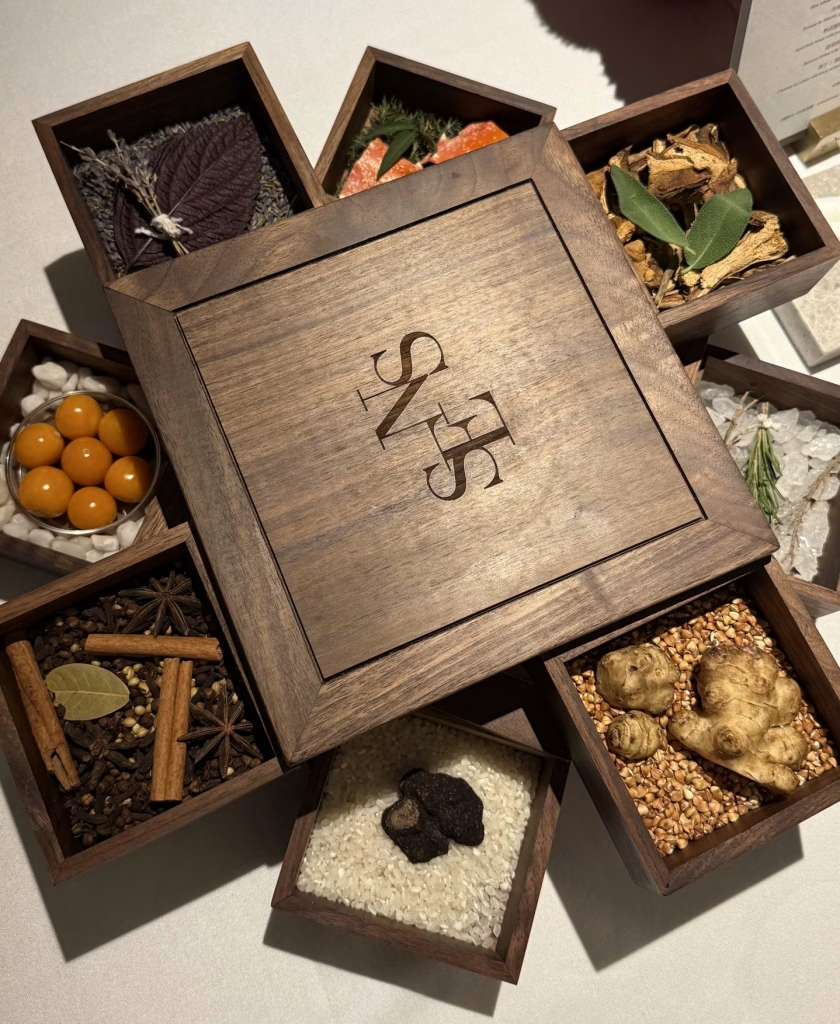
At the beginning of the meal, the chef first visually presents the eight core ingredients of this season's cuisine. The autumn and winter menu takes "aroma" as the main axis, and natural spices such as cinnamon, bay leaf, and star anise appear in sequence at the table, with lantern fruit, Japanese red perilla, seasonal king crab, porcini mushrooms, rosemary, and the rare jerusalem artichoke rhizome. Finally, winter black truffles from Périgord, France are used as the end. Such an opening clearly explains the language of the entire menu.
If SENS' autumn and winter menu is written with "aroma", then this time wine pairing is to translate that article into another language: it is more three-dimensional and more tension, and each glass is like it is tailored for a certain dish. This night we chose Prestige pairing. In addition to the five glasses of pairing in the restaurant itself, our friend brought another bottle of white wine, and a bottle of champagne was also opened at the scene. Overall, we were not only happy to drink it, but also the kind of satisfaction that will be remembered for a long time after drinking it.
Cooking record
Caviar|King Crab|Marigold
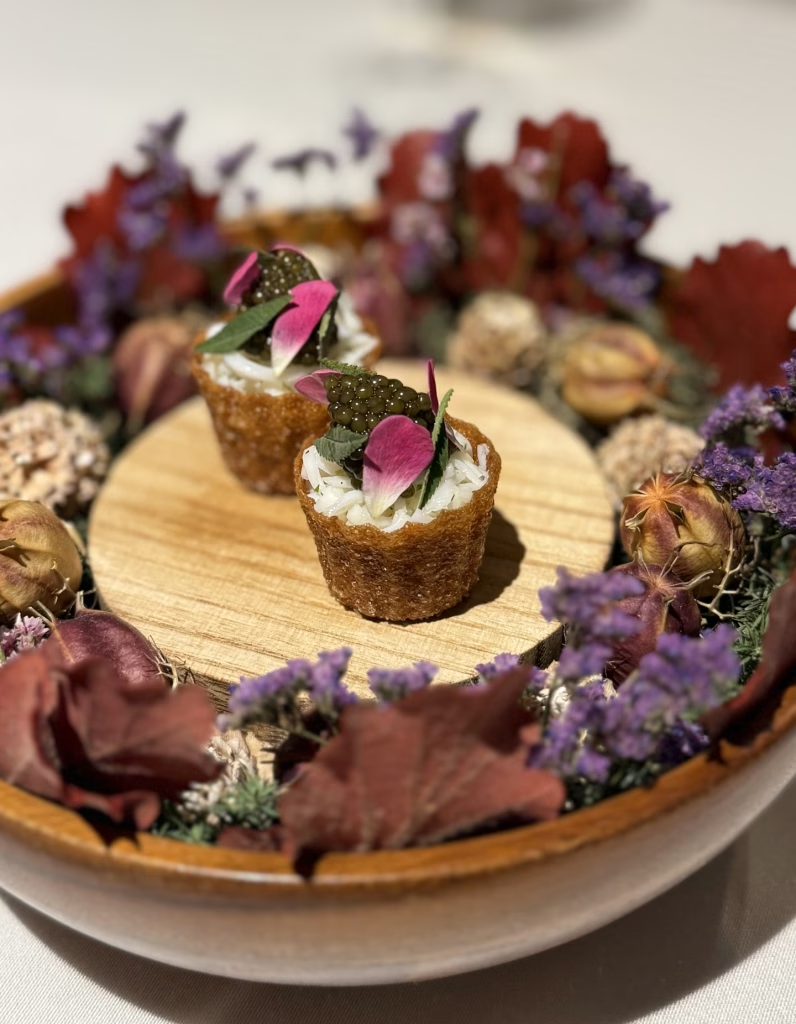
The first seafood is a little bit more impressive. Based on the bottom shell of corn, it is served with fruit corn sauce and pickled cucumber slices, topped with king crab and a lot of caviar, and finally garnished with marigold leaves.
At the moment of entrance, the sweetness and richness of the crab meat are almost "explosive". The corn husk and corn sauce amplify the natural sweetness of the crab meat, while the pickled cucumber inserts a crisp taste and acidity in the middle, and finally finishes with caviar, bringing out the salty and fresh level. The aroma of marigold is not the protagonist, but it leaves a memory point in the end.
Black truffle|Creamy Pumpkin|Iberian Ham
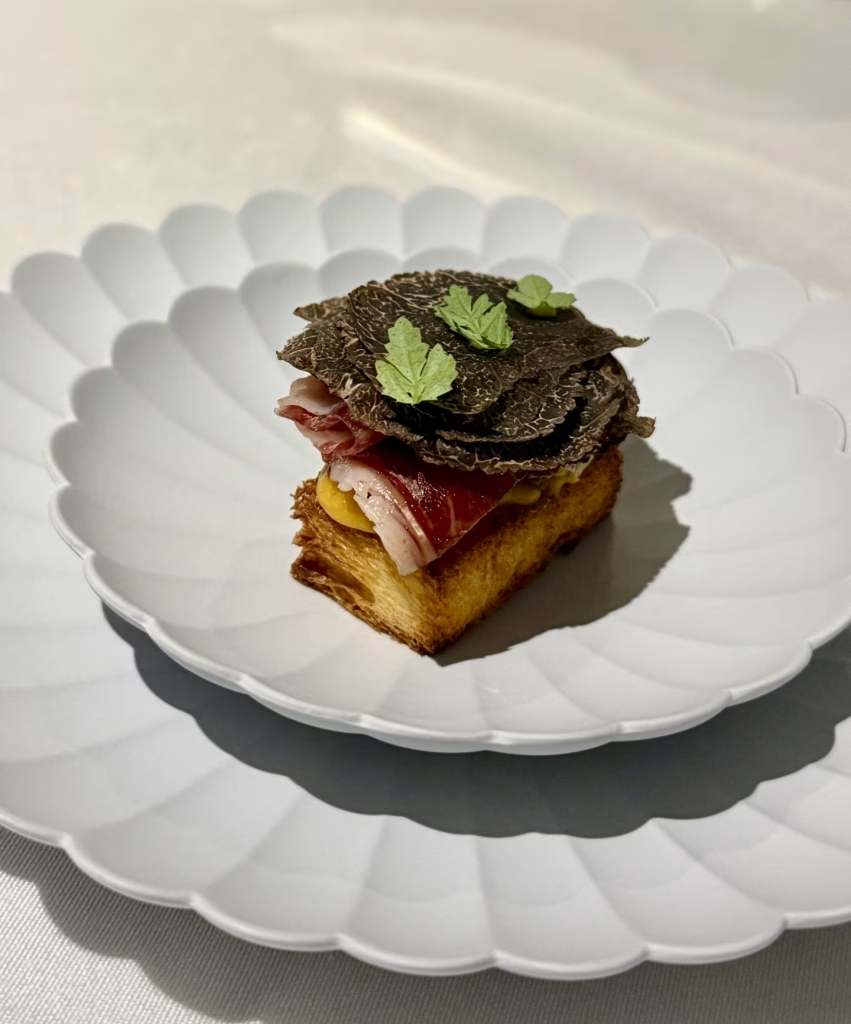
The next appearance is the land dot. The outer layer is similar to a melaleuca-flavored creamy bread, with sweet potato puree and caramelized chestnuts in the filling. The flavor is unexpectedly refreshing and not greasy. It is paired with multiple slices of Iberian ham and a lot of black truffles.
With one bite, the aroma of truffles takes the lead in occupying the sense of smell, followed by the ripe salty aroma of ham and the creamy flavor of bread. Sweet potato puree provides a soft sweetness in the middle, so that the whole is not too heavy. This is a small dot with a high aroma density, but not heavy.
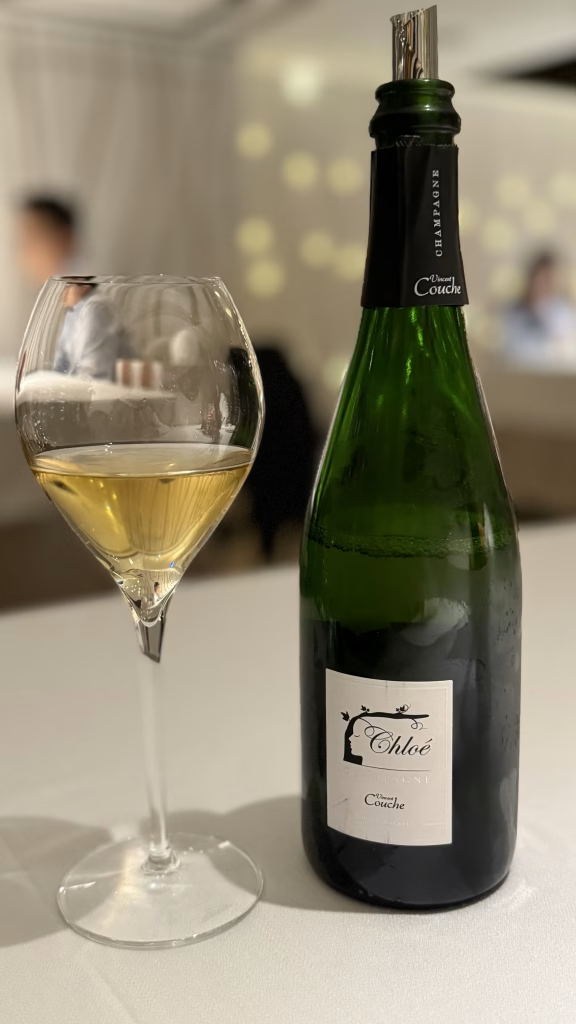
Champagne Chloé-Cédric Bouché (limited series)
As soon as this champagne was served, the sommelier first annotated it: "Atypical." The Chloé series is not produced every year, but is only released when conditions are ripe, with an annual output of less than 2,500 bottles. It is not the normal cuvée of the winery, it is more like an experimental and even risky work, deliberately making the flavor profile of "old champagne" at a young age.
The color of the wine is moderate to dark golden yellow, which is obviously more mature than ordinary young champagne; the bubbles are delicate but restrained, and the bubbles are highly unassuming. The aroma is not the clear fragrance of citrus and white flowers you are familiar with, but directly enters the vocabulary of cooked idioms: cooked apples, stewed pears, honey and beeswax, followed by roasted nuts (almonds, hazelnuts) and cream, yeast, and even a little oxidation, like sherry-style dried fruit flavor. Such an arrangement of aromas can make people mistakenly think that it has been aged for many years, rather than a "new work".
The structure of the entrance is wide, round, and mature. The body of the wine is medium and thick, with acidity but covered by mature flavor, not sharp lines. The core of flavor falls on ripe yellow apples, honey, nuts, and cream. The whole is very "thick", but not heavy. The most fascinating thing about this glass is that it does not wait for time to age the wine, but directly pushes the wine to maturity in the brewing logic. This one is not an option in pairing, but a wine recommended by the sommelier of the restaurant "You can open one get one for one", which is used to undertake the first two appetizers of land and sea with rich aroma and thick taste. It's just right.
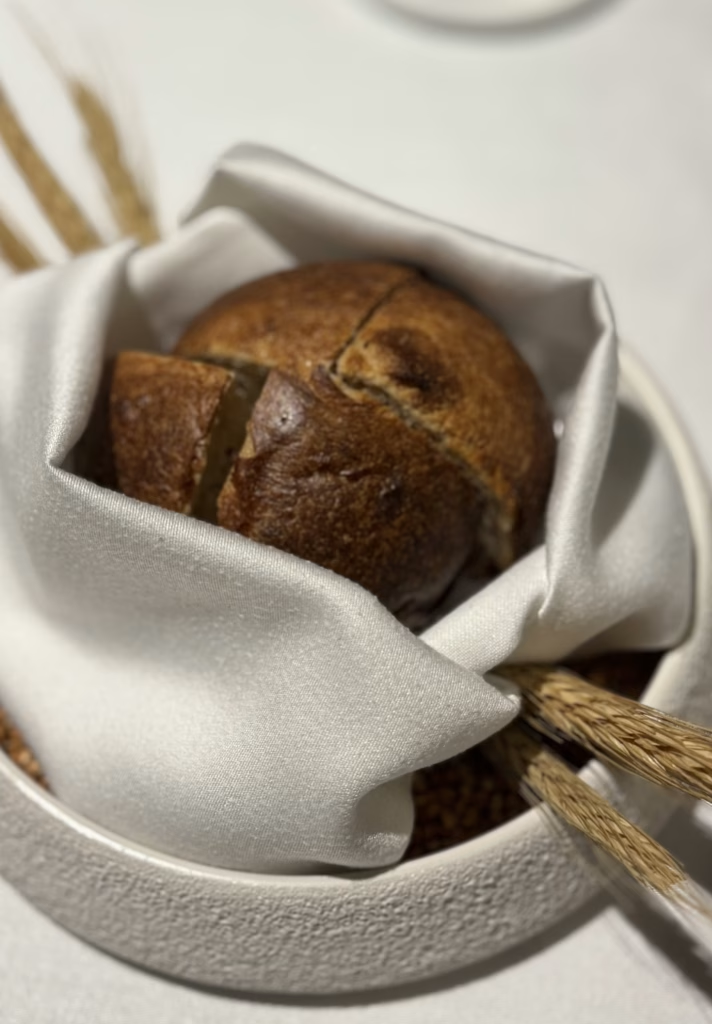
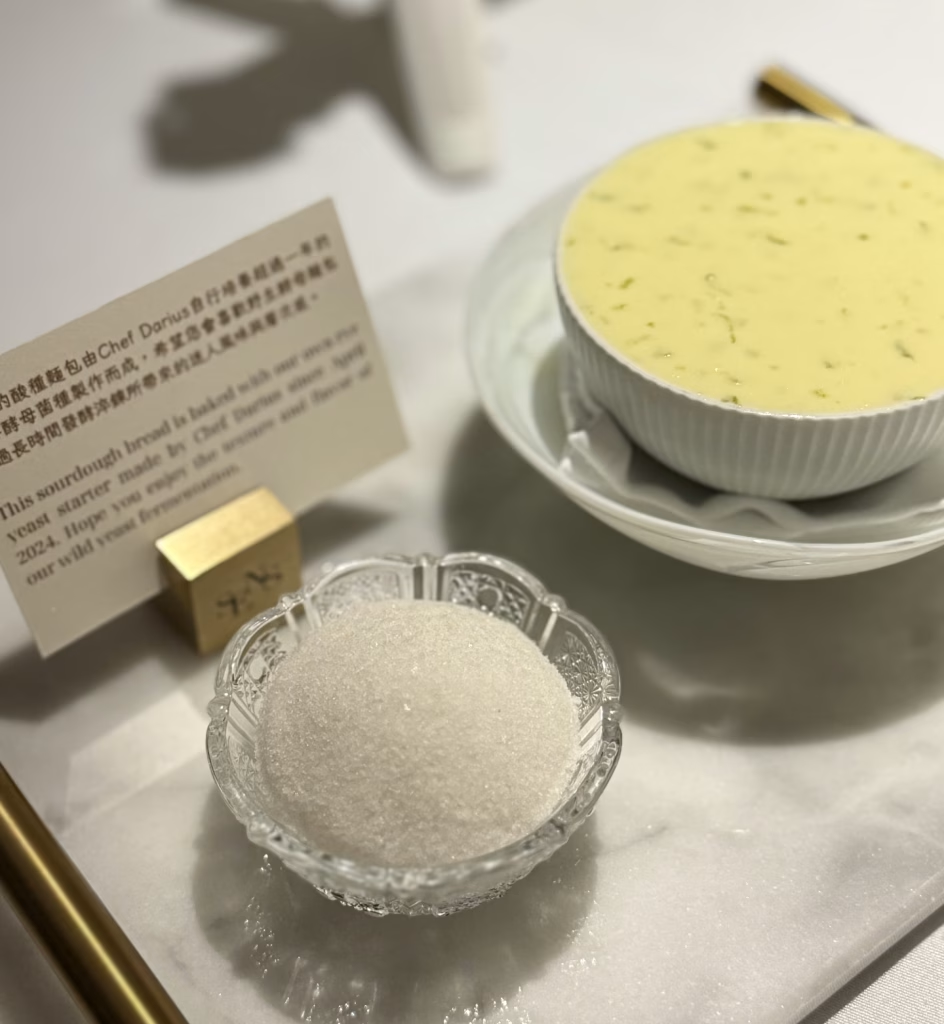
Sourdough Bread|Citrus Cream|Salt Flower
The chef's self-raised rye yeast sourdough bread for more than a year has a crispy outer skin and a Q-bomb inside. It is freshly baked and served with full heat. The matching cream comes from France, emulsified with whipped cream, and the flower of Tainan salt and citrus elements are added.
The bread itself is very durable, and the balance of saltiness, fragrance, and sourness of the cream is just right. It makes people wonder if they can take one out.
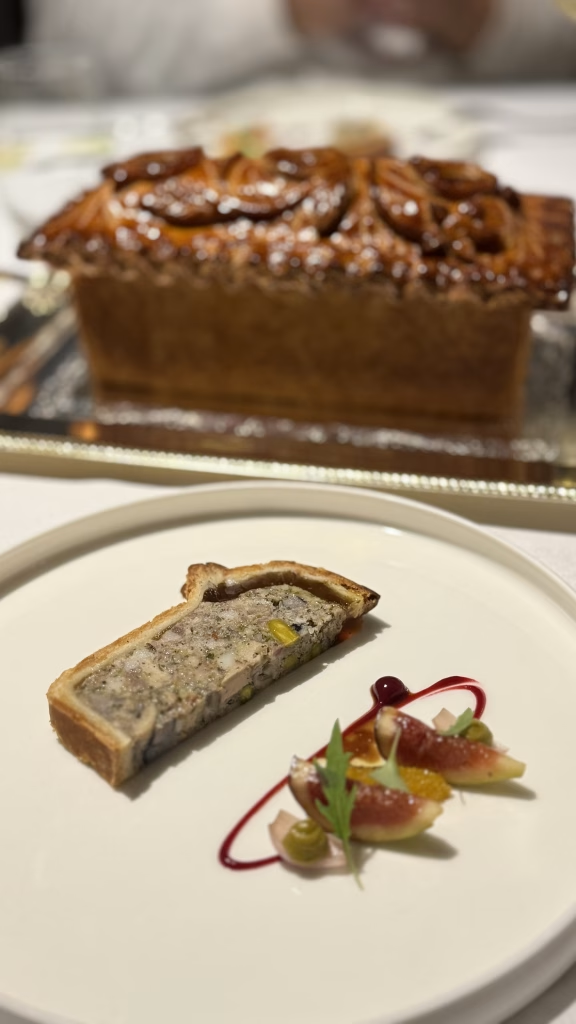
Royal Frozen Meat Pie|Black Bone Chicken|Duck Liver
The classic French frozen meat pie uses black-boned chicken and Iberian pig as the base. Mushrooms, duck liver and pistachios are added to the filling. After baking, it is then infused with chicken soup jelly.
The matching side dishes include figs, citrus and raspberry jam. The sourness and sweetness of the fruit effectively balance the greasy feeling of the meat pie itself. With beautiful facets and clear structure, it is a classic interpretation of both technology and flavor.
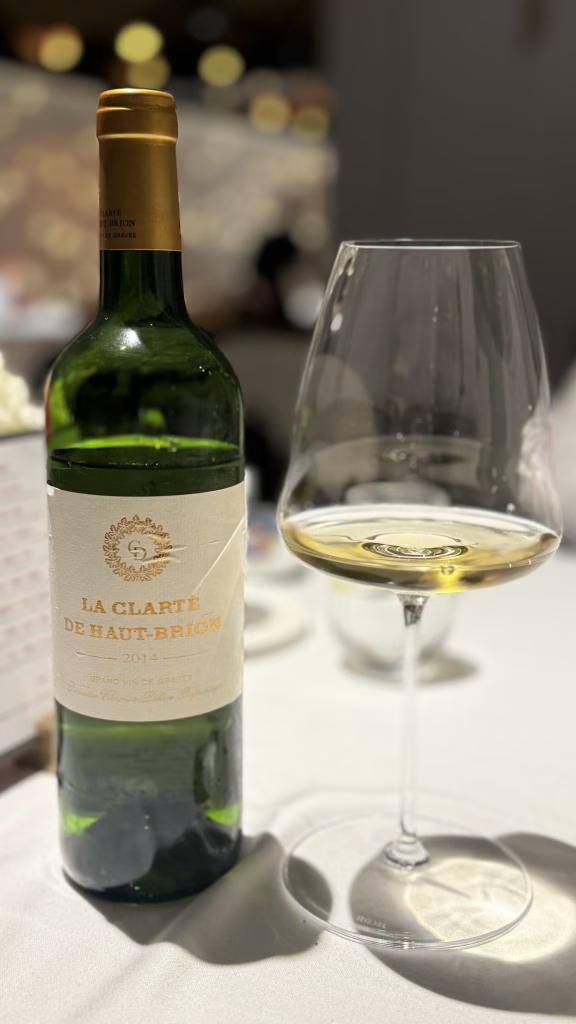
La Clarté de Haut-Brion 2014
The "extraordinary origin" of the Graves liquor system will actually be recognized as soon as it is entered. La Clarté de Haut-Brion combines the tension of Sauvignon Blanc with the thickness of Sémillon, and then uses oak barrels to converge accurately to make the lines more neat. The 2014 vintage falls in a very beautiful position: it is no longer young, but it is not yet old. It is the stage where the liquor can best show the structure and level.
The color of the wine is moderately golden, with a little amber luster, and the tears on the wall of the glass are slow, indicating that the sense of weight has developed. The aroma does not erupt in an instant, but unfolds in layers: first, ripe yellow apples, stewed pears, and lemon peel. Honey, beeswax, and white flowers are powdery after drying in the middle, and hazelnuts, almonds, light cream, and oak spices are in the background. The texture of the entrance is silky and oily, but not heavy; the acidity is medium and high but linear, clean, and not sharp. The flavor is concentrated in ripe citrus, yellow stone fruits, nuts and a faint smoky feeling. The ore and saltiness are pulled out at the end. When paired with the black bone chicken frozen meat pie, it gathers the fat and meat flavor of the meat pie beautifully.
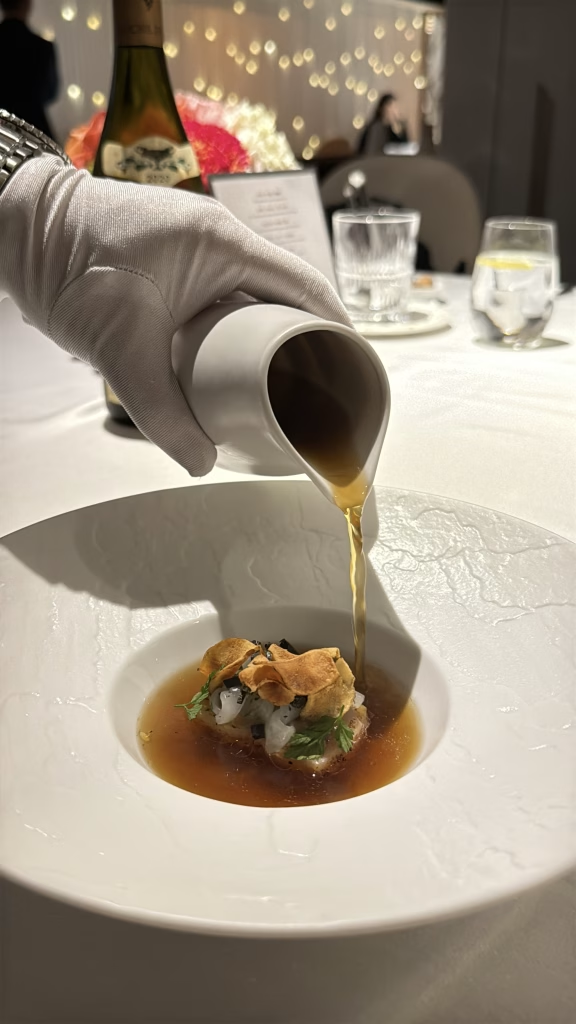
Hokkaido Scallops|Jerusalem Artichoke|Beef Clarification Soup
As a stomach-warming soup, this dish conceptually combines sea and land. The bottom of the bowl is Jerusalem artichoke puree, and the top layer is stacked with Hokkaido scallops, fried through pumping and Jerusalem artichoke chips. Finally, it is topped with beef clarified stock and infused with a faint aroma of white truffles.
The soup itself is very delicious, with a clean and deep level, but it is a pity that the degree of integration between the soup and the ingredients is slightly insufficient. The flavor of Jerusalem artichoke itself is also more restrained, and the sense of existence is not completely pulled out.
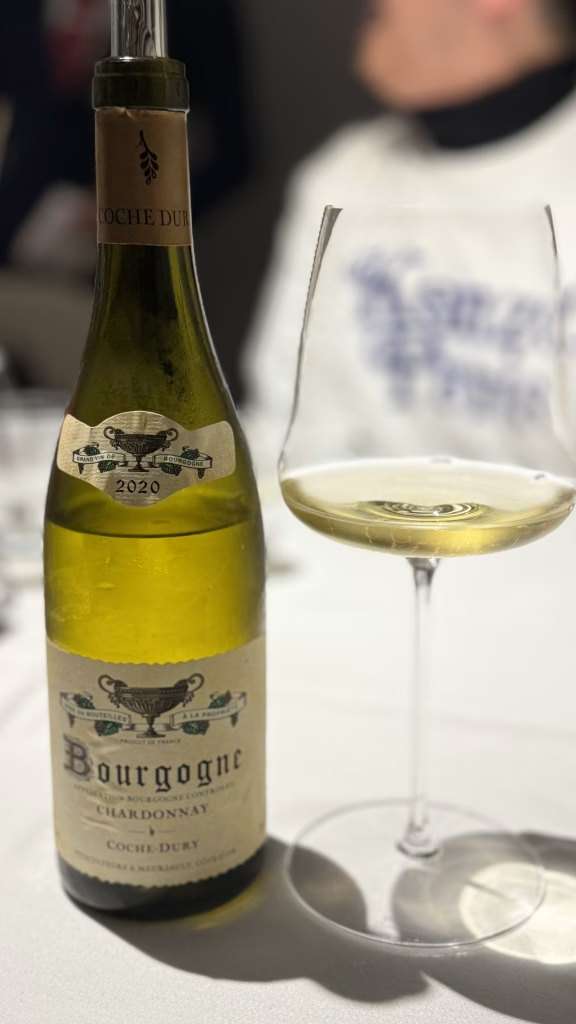
Bourgogne Chardonnay 2020 — Domaine Coche-Dury
If the first two glasses are the opening of "maturity and structure", the Coche-Dury brought by a friend is like a glass of liquor that recalibrates the taste. Needless to say, Coche-Dury's status in Burgundy is truly fascinating. What is really fascinating is not publicity, but to minimize human intervention and put the quality of grapes at the forefront. Even if it's just the Bourgonne grade, it's still not a mass-produced wine: old vine origin, low yield, and restraint are the self-made and confidence of a winery.
The color of the wine is light to medium straw yellow, clear and translucent. The aroma is clean, the first layer is lemon peel, green apples, and white peaches; the middle layer has white flowers, a little pears and a touch of almonds; the background has only a very slight sense of cream and yeast, and the oak presence almost retreats to the back of the stage. The entrance has high acidity and precision, linear and clear, the wine is medium and light in body, the texture is delicate and clean, and there is no excess oil. The flavor is concentrated in fresh citrus, white stone fruits and a clear sense of ore, which is a "pure" good drink.
What's more interesting is that the sommelier uses it to match Hokkaido seafood, and when the hot soup is in the mouth, the taste of this cup of Chardonnay becomes more unrestrained, and the aroma is drawn more three-dimensional by the heat and seafood. Of all the wines that night, my favorite is actually the Coche-Dury brought by this friend.
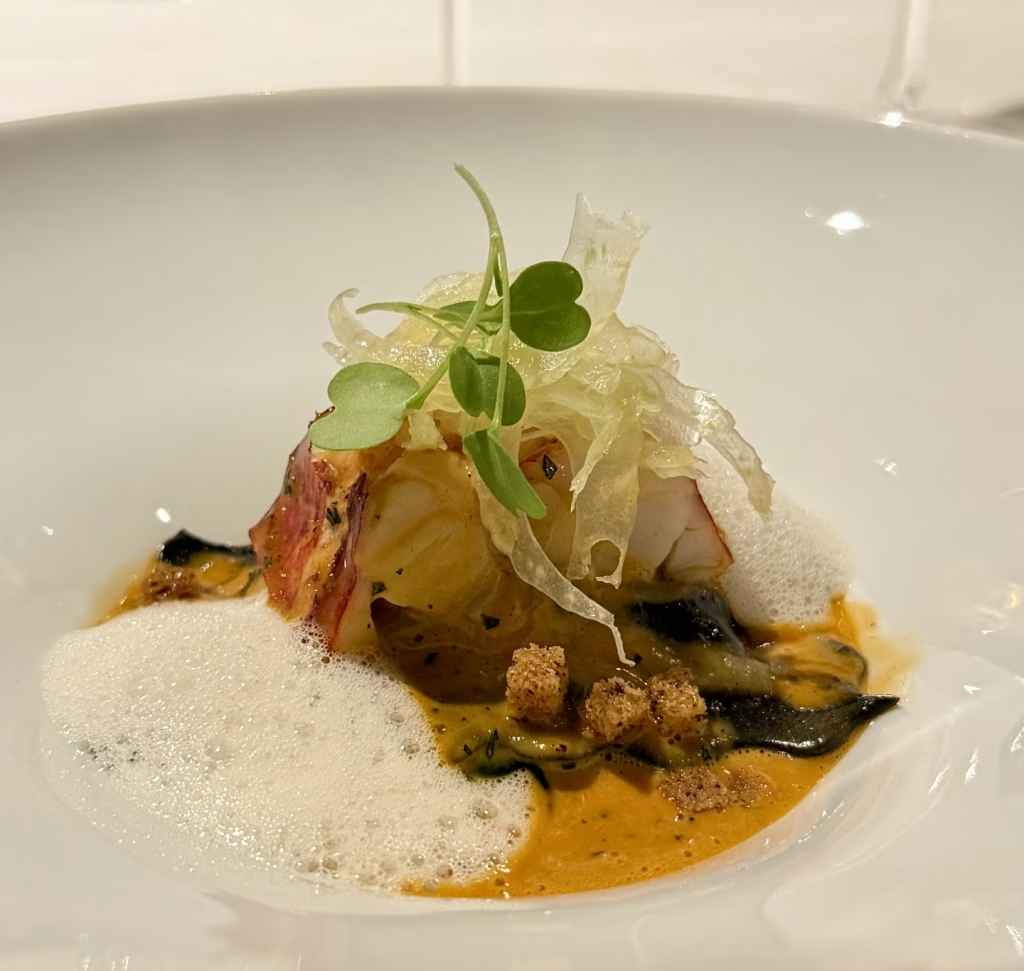
Blue Lobster|Marseille Fish Soup|Citrus
This dish is based on Marseille fish soup, transforming the traditional strong flavor into a lighter sauce form. The bottom layer is the stir-fried blue lobster and the filling wrapped in Italian dumplings, while the top is placed with pan-fried blue lobster, anise head salad and crispy fried croutons, and finally decorated with grapefruit bubbles.
The Italian dumplings wrapped in lobster are excellent. The sauce transformed from Marseille fish soup has a charming aroma but not heavy. The cooked lobster has just the right maturity and the meat quality is Q-bomb. It is a dish I like very much in the whole meal ❤️
Meursault 1er Cru “Le Poruzot” 2017 — Domaine Laurent Père et Fils
The sommelier said at the moment, "It's like Burgundy, but it's completely different from the rich fruity aroma of Costa Rico." In fact, he caught the key. This is a Meursault that transforms ore, barrel and wood into its core language. The Laurent family is known as the "barrel king" in Taiwan, not because of the crude barrel flavor, but because of the extremely precise control of oak influence; and this wine is a masterpiece that puts the "barrel" in the center of the stage.
The color of the wine is moderate to dark golden yellow, the thickness of the wine is obvious, and the tears of the wine slowly decline. At first glance, you know that it is not a thin type. The aroma is very three-dimensional and active: first gravel, wet ore, chalk soil, followed by vanilla, caramel, toasted cream, slight coconut and sweet spices in the middle, and then ripe yellow apples, pears and a little hazelnut appear in the background. The barrel flavor reaches its peak in the middle section, but the tail section can still return to the ore and saltiness, so it will not be sweet and greasy. The wine has a medium-high body, medium-high acidity, strong support, and an oily texture.
The matching meal is lobster and creamy hoisin sauce. The two are almost "mutually fulfilling": the wine blends the cream of the sauce with the roasted flavor, and the sauce also makes the barrel feel more reasonable. "If you change to a restaurant, this set will probably reach seven or eight thousand" is not an exaggeration. Judging from the entry of Meursault 1er Cru, the barrel King family, and 2017 into the drinking period, this glass is placed in pairing, which is essentially a configuration that people who understand wine will find cost-effective.
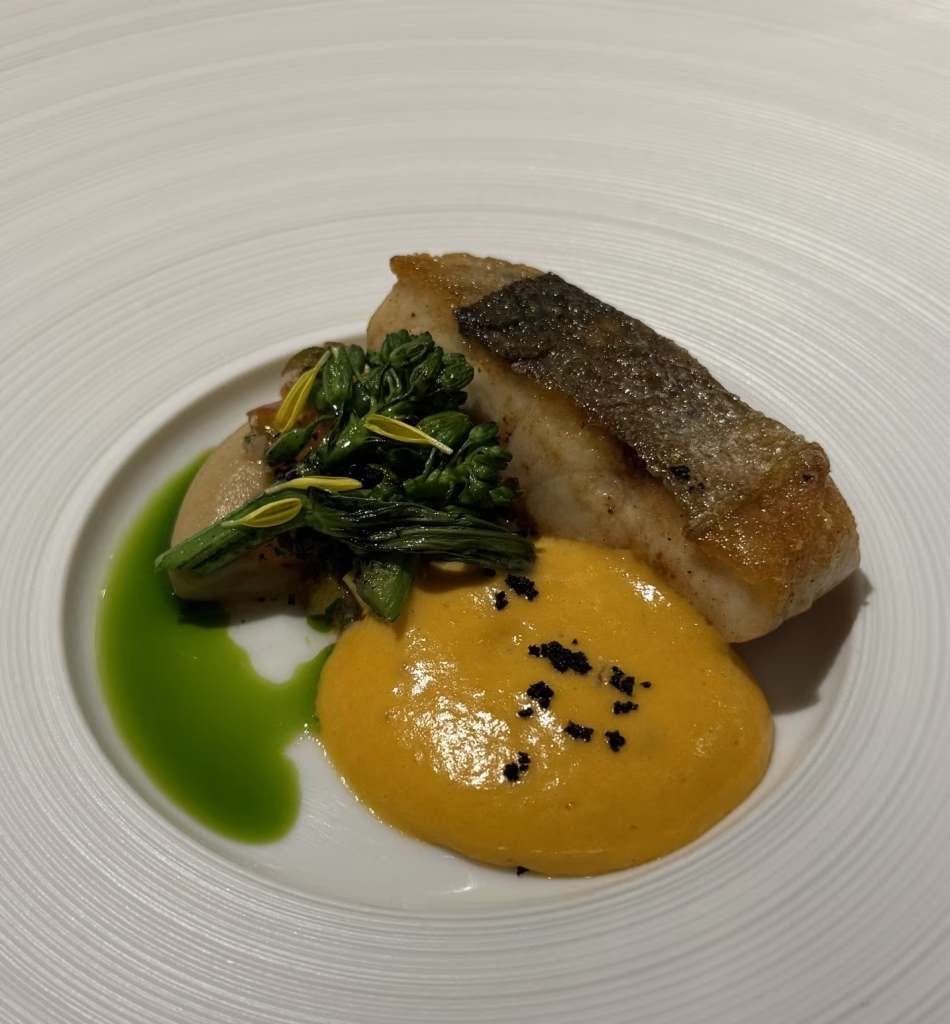
Fresh fish in the market|Lantern fruit|Xiulong Sauce
This season's fresh fish is made of Wuzai fish, roasted on straight charcoal, the skin is crispy, and the fish remains moist and juicy. Match with two kinds of sauces: one side is Xiulong sauce based on hollandaise sauce with tomato and thyme; the other side is salsa made of tomato and lantern fruit, with charcoal-roasted kale.
The overall performance is stable and the flavor is clean. It is a well-behaved fish dish without mistakes.
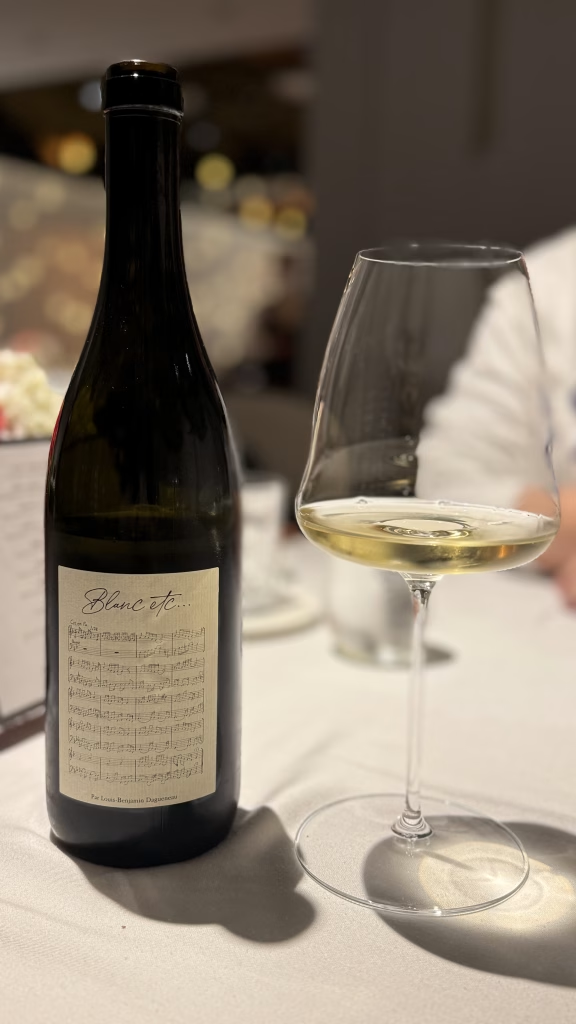
Blanc etc… — Didier Dagueneau(Sauvignon Blanc)
After having gone through the barrel sense, thickness, ore and structure in the previous paragraph, Blanc etc...'s appearance is not to suppress people with stronger strength, but to reorganize the taste with purity and penetration. The color of the wine is light to medium straw yellow, clear and transparent, and the aroma is finely spread: fresh citrus peel, lemon fiber, followed by white flowers and a touch of herbs (thyme, balm), wet stones and smoky ore appear in the background. That is the classic memory of the Pouilly-Fumé system. It does not take tropical fruits.
After the entrance, the citrus fiber feels elongated, and the ore feels slowly floating in the middle of the tongue, with a delicate salty feeling and refreshing sweetness at the end. The most special thing is its "deliberate choice": it is harvested by hand but not in barrels, the stainless steel is aged but not thin, and the layers are hidden in the later stage. It is no wonder that Dagueneau is regarded as the person who rewrites the status of Sauvignon Blanc. He uses thinking similar to Burgundy to talk about plots, density, and tension. When this cup is paired with Wuzai fish, the oil and charcoal flavor of the fish are made more refreshing by its penetrating power, and the whole dish becomes cleaner and more three-dimensional.
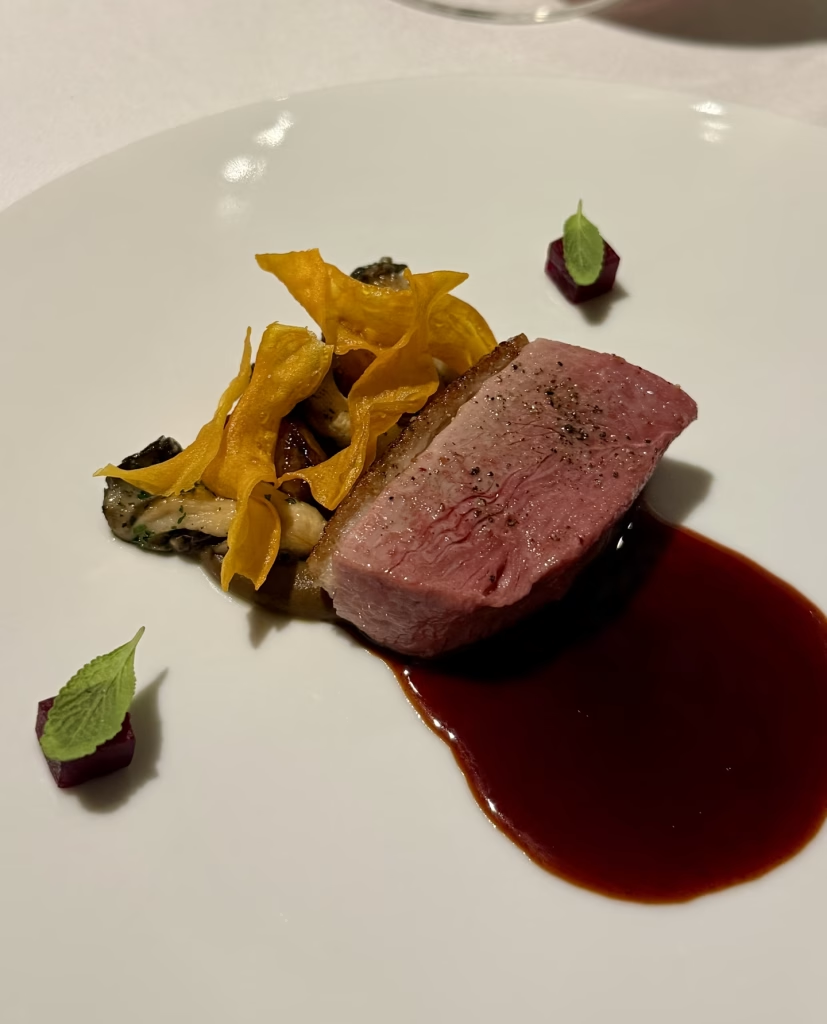
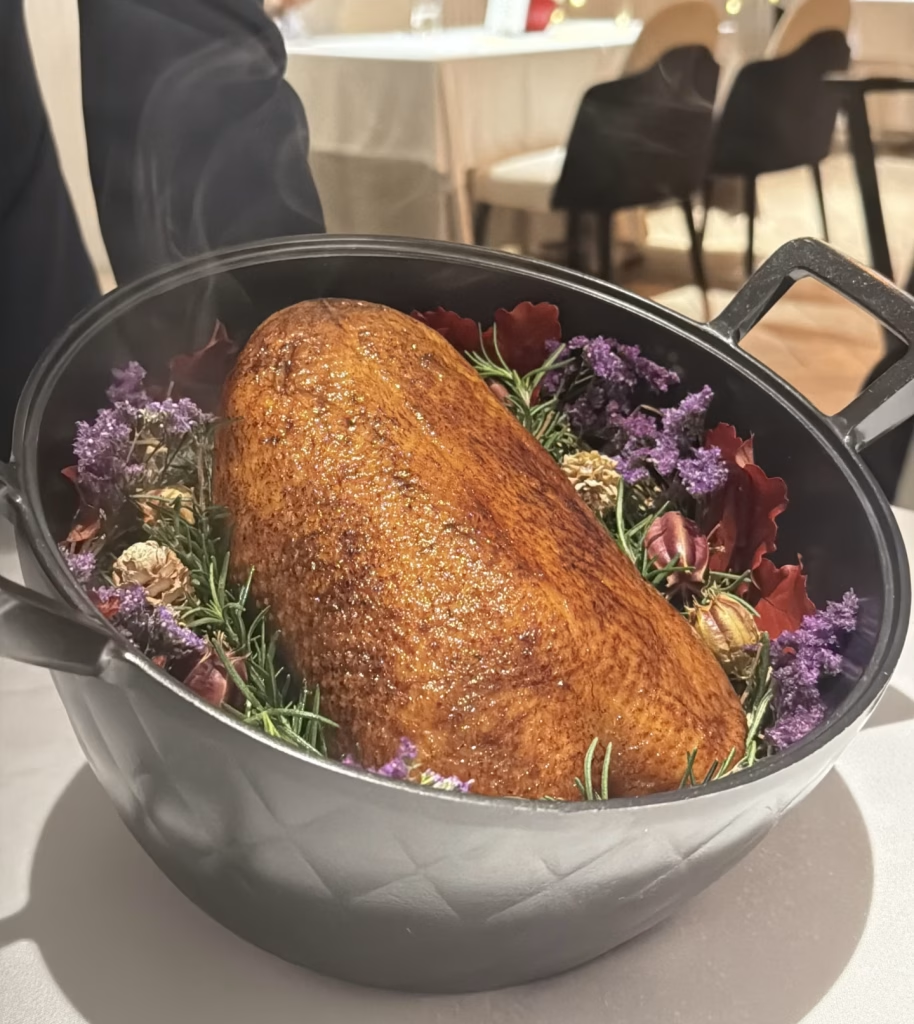
Mature carmine duck|Porcini Mushrooms|Aged Vinegar
The main meal is Changhua rouge duck, which is brushed with honey vinegar after 10 days of maturation and presented in a golden roast. The duck breast is about five minutes ripe, the skin is crispy and the meat is soft.
The plate is served with pickled beetroot, yellow heart melon chips, and a muddy side dish made of spade mushrooms and porcini mushrooms, while the sauce is made with aged vinegar and Wuxin. I often eat duck recently, but this dish still feels delicious.
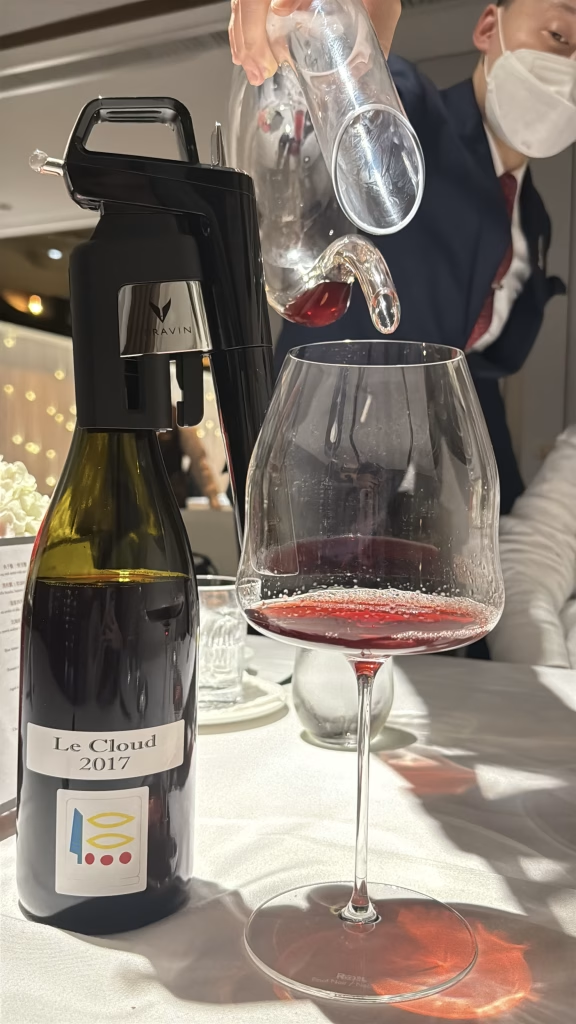
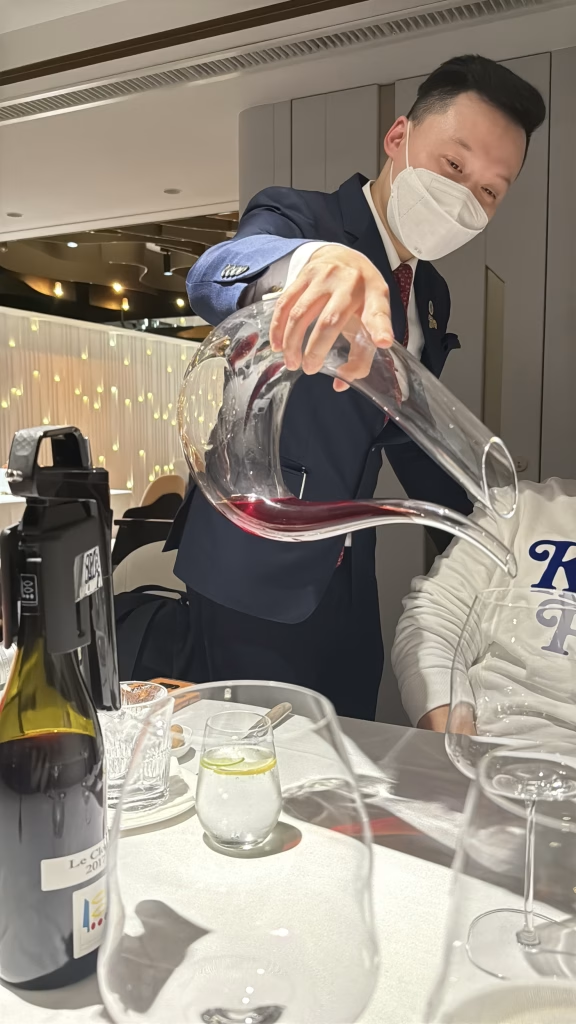
Le Clou 2017 — Domaine Prieuré Roch(Pinot Noir)
The shock of the bottle of "kitchen knife" in Taiwan has never only come from the logo, but from the pedigree and philosophy behind it: the founder Henry-Frédéric Roch is one of the co-operators of DRC, and the winery takes a natural route. It is clean, precise, and hygienic to the point of almost harshness. Le Clou 2017 has a light color, transparent ruby, and an aroma with comprehensive spices such as white pepper and a touch of cinnamon. It appears first, followed by the woody tones of old oak and dry sawdust, and then the red fruits of red currants and cherries. Dried violet flowers appeared at the end, stacked in layers.
The key to the entrance lies in the "beautifully harvested natural wine": the front section is meticulous, the middle section is intertwined with spices and fruit acids, and the end section is clean and neat. The powerful thing about it is that it can do three things that are difficult to coexist at the same time: natural but not weird, personalized but not dazzling, and free but rigorous structure. When paired with duck breast, the acidity and spice of the red fruit make the cooked flavor and grease of the duck meat more elegant, making the finish of the main course longer and cleaner.
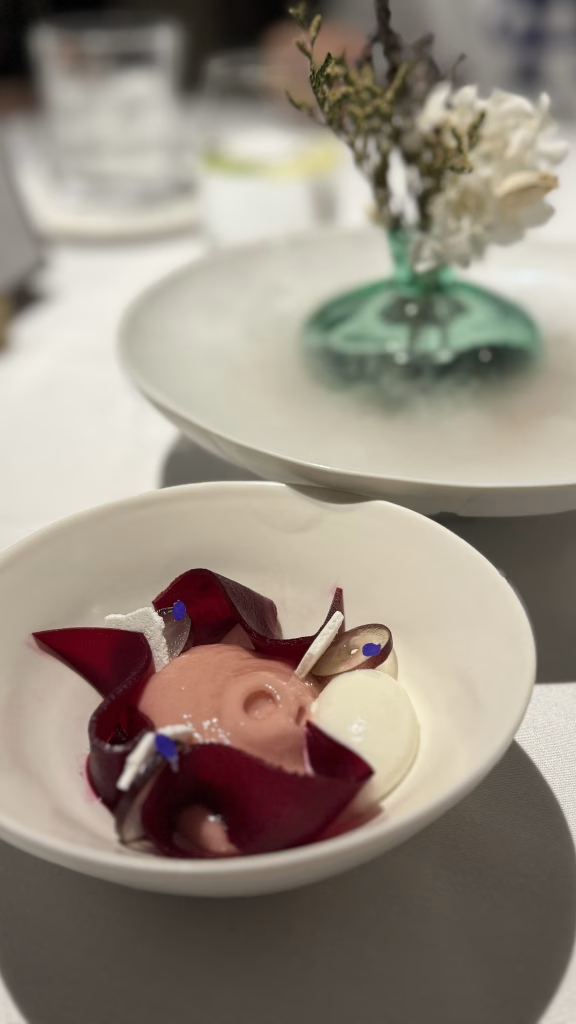
Beetroot|Lavender|perilla (top dessert)
Lavender water presented with dry ice creates visual and olfactory effects, paired with lavender ice cream, beetroot, meringue and red perilla & tomato bubbles.
The atmosphere is full, but the actual flavor is more ordinary.
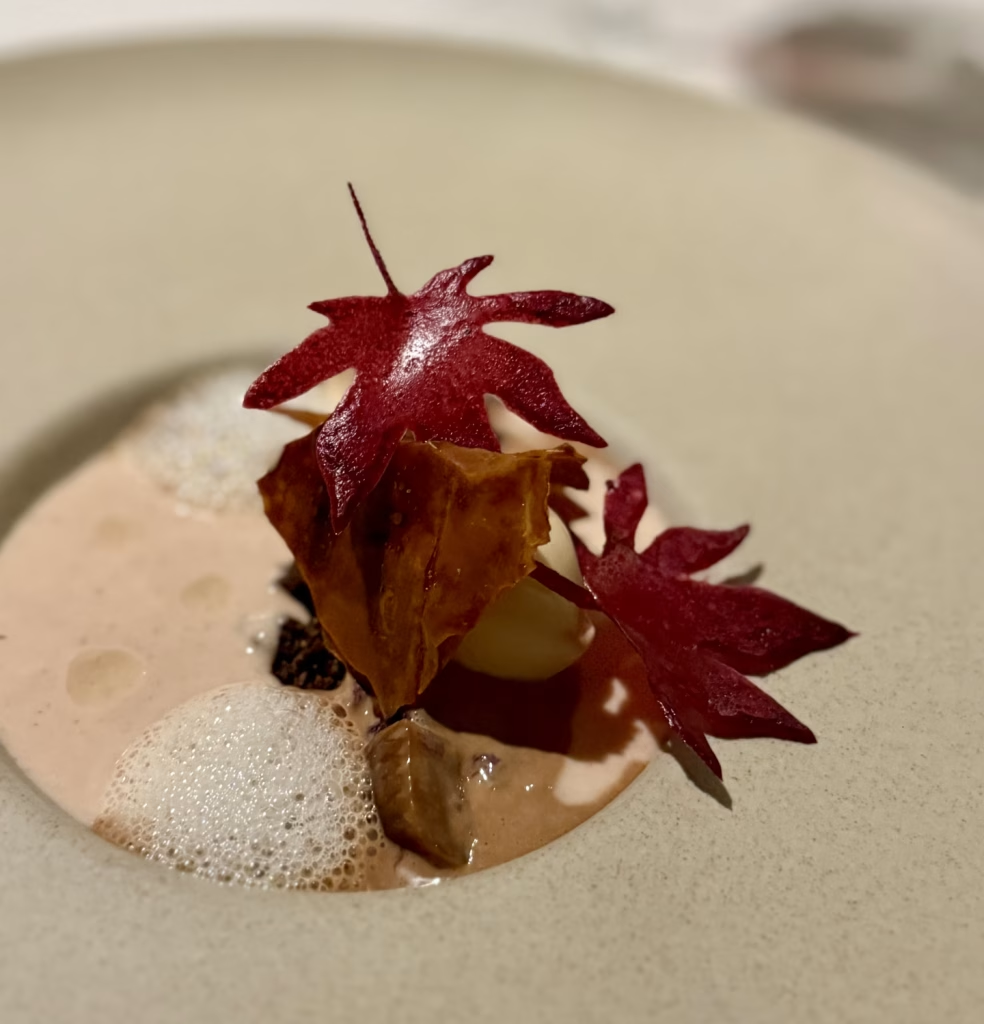
Chestnuts|blackcurrants|coked onions
The main dessert is based on coked onion brie, with chestnut cubes, chestnut ice cream and blackcurrant jam. The whole has a strong autumn flavor, but the presence of coked onions is completely overshadowed by chestnuts and black currants, which is a pity.
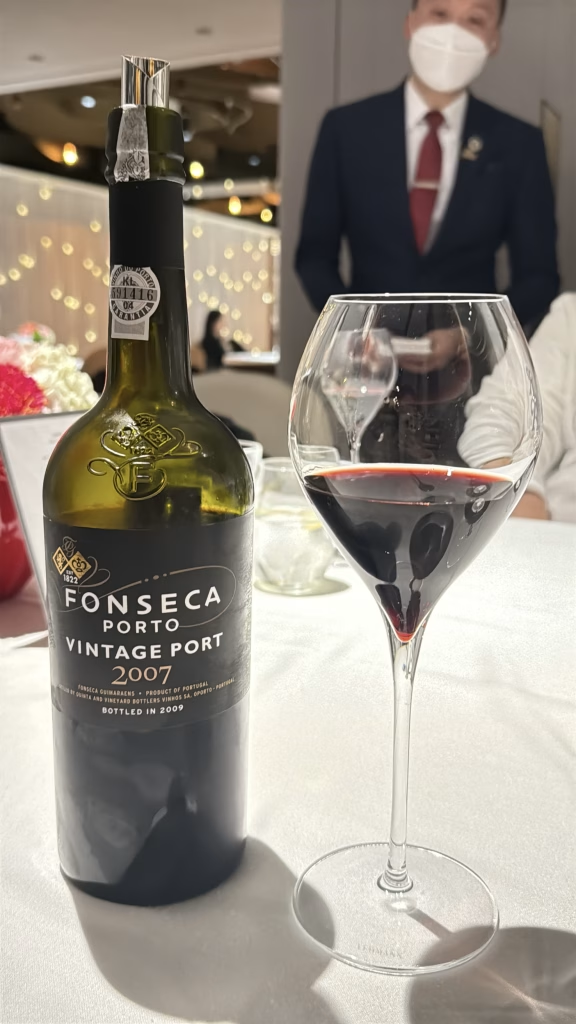
Fonseca Vintage Port 2007 (finale Sweet Red Wine)
When the sommelier said, "Have a sweet red wine", most of the people who really understand wine don't have sweetness in their minds, but Vintage Port. The end of this time, Vintage Port 2007 from Fonseca, a top Portuguese winery, is the type with the most aging potential and structural depth in the port wine world. It is only brewed in recognized great vintages, representing the winery's highest confidence in the quality of the grapes of that year. Confidence.
The wine has a deep and almost opaque garnet red color, and the edge of the cup still has a purple-red luster, indicating that it is still in the development period. The aroma is three-dimensional and concentrated: blackberry, blackcurrant jam, followed by dried plums, figs, cocoa powder and dark spices. The warmth brought by alcohol is present but not pungent. The sweetness of the entrance is high, but it is firmly supported by acidity and tannins. The wine is thick and concentrated, and the skeleton is complete. The most fascinating thing is the kind of material sense that emerges after maturation: cocoa, leather, dark spices, long aftertaste, almost constantly extending. As the end of the matching dessert, it is not "a little sweeter", but a complete end to the aroma and structure of the whole night.
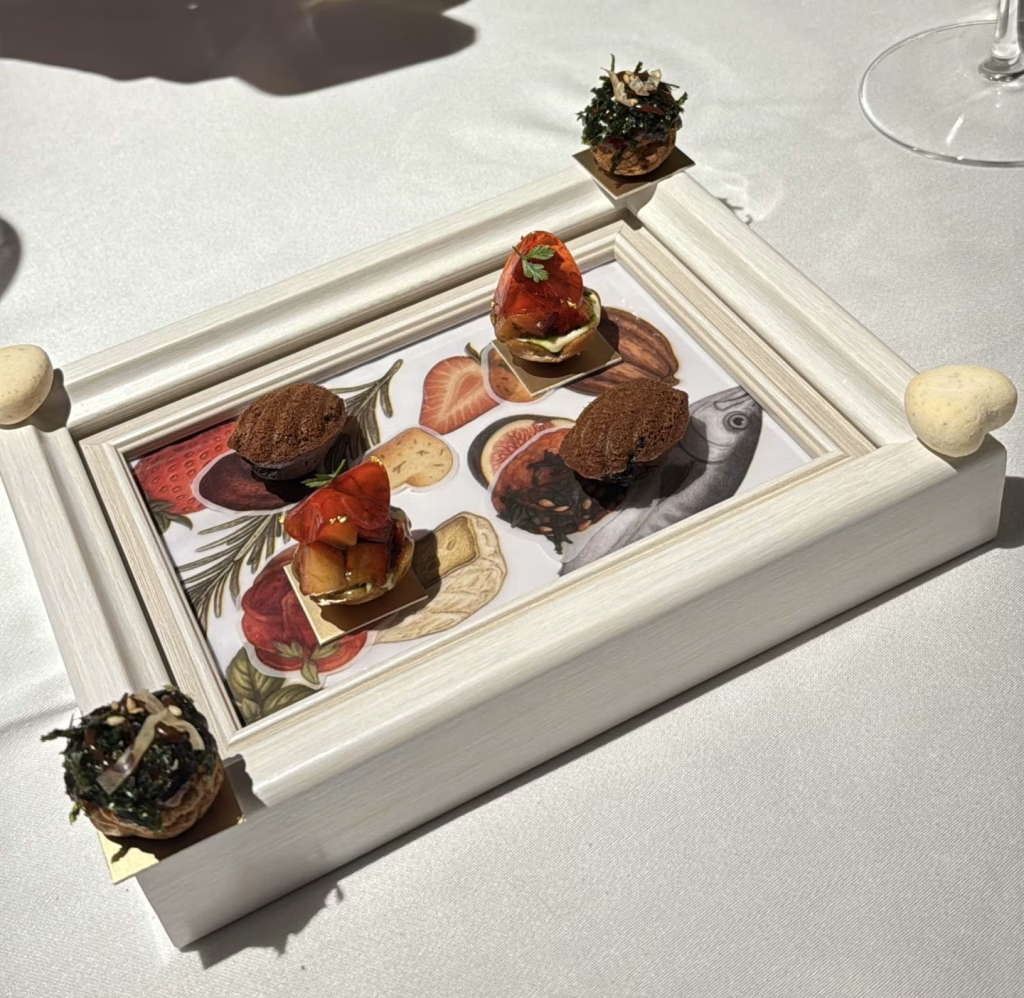
Petit Four
Strawberry cheese tower, fig chocolate Madeleine, soy sauce Xuanmi puffs, rosemary passion fruit marshmallow four styles, small but very sincere. Especially Madeleine and puffs, the flavor and completion are very high, which makes people really hope that the restaurant can be sold.
When I left the table, I also attached a black truffle Fernanxue. The aroma was so strong that it made people think again: Are you really not considering selling desserts? 🤭
Meal and wine pairing
SENS's pairing is great at "knowing how to let wine speak"
What I admire most about this Prestige pairing is not only that the wine is strong enough, but that its arrangement is really logical: from the opening of the mature champagne, to the texture and mineral saltiness of the Graves liquor, interspersed with a Coche-Dury that calibrates the taste to a very clean level. Clean taste, Dury, Dury, Dury, Dury, Dury, Dury, Dury, Dury, Dury, Dury, Dury, Dury, Dury, Dury, Dury, Dury, Dury, Dury, Dury, Dury, Dury, Dury, Dury,Then use the barrel king Meursault to pull the seafood cream to the apex, then use Dagueneau's penetration to organize the taste, and finally use Prieuré Roch's meticulous structure to catch the duck breast, and draw a complete end with Vintage Port. After drinking the whole set, you will feel that every glass is a "conversation".
The most important thing is: the sommelier is professional and rhythmic, so that you can clearly feel why the wine appears, why it is at this moment, and why it is between every dish. This is also why this party makes people drink so happily, because it is not just drinking a bunch of famous wines, but also drinking a set of designed and complete aromas.
Final Thoughts
It offers three-cup, five-cup and higher-end prestige pairing, as well as non-alcohol pairing options, with extremely high degree of freedom. The sommelier is professional and the matching is precise. It is a meal and wine design that can clearly feel that you are thinking about every dish.
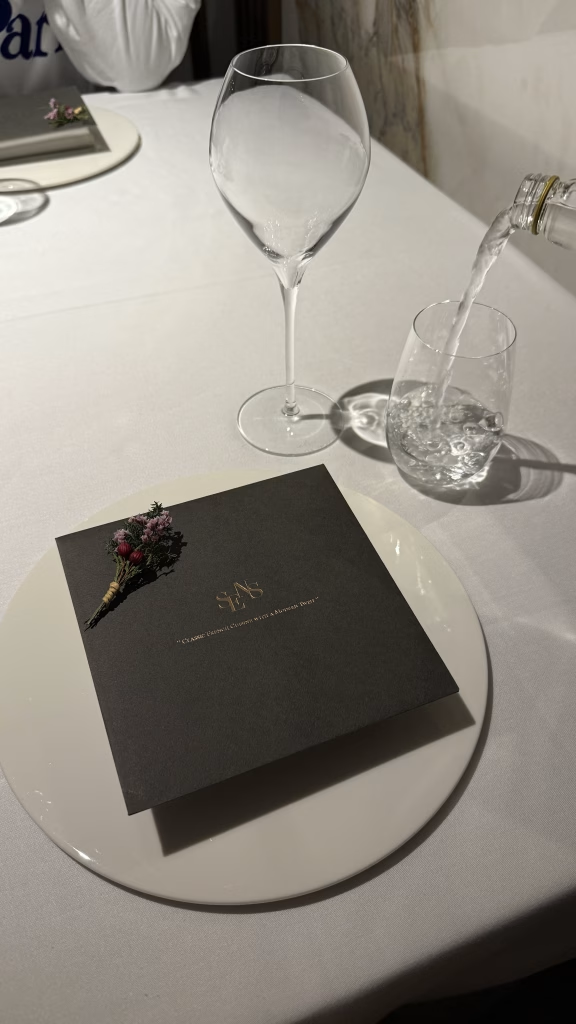
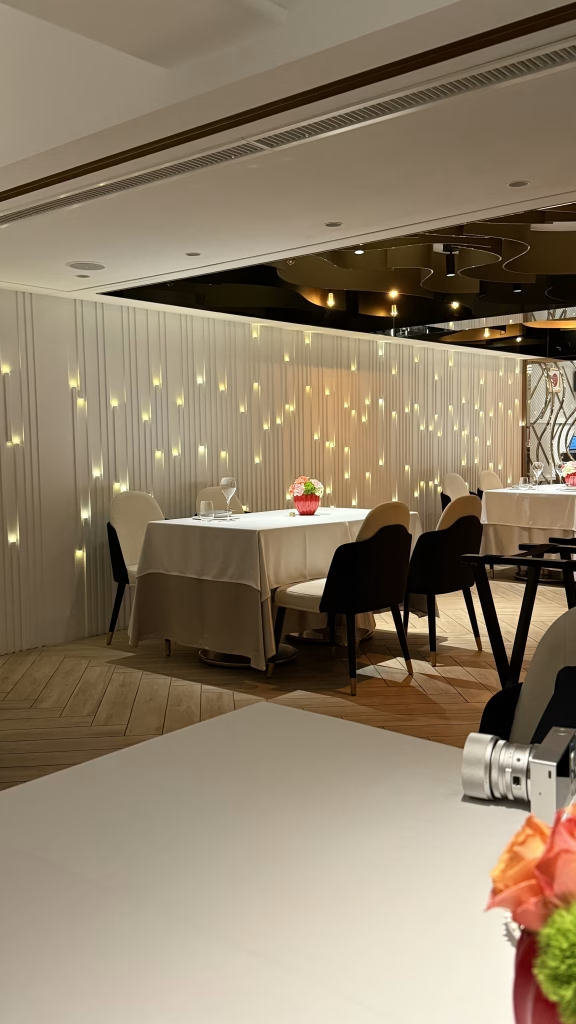
The overall dining experience is very comfortable. The environment, service, serving rhythm and setting are all maintained at a high level. The meals are delicious, the flavor is clear, and there is no extra skill.
SENS is one of the few one-Michelin-starred restaurants in Taipei that I will sincerely include in the "fixed return visit list". It is enjoyable to eat and memorable.
Rating and Cost
- Price|Dinner NTD 55,280+10% (nine-course set meal)
- Water resources NTD$150+10%
- Prestige Wine Pairing 5 cups NTD$4,980+10%
- Rating: 9.5/10
- 🏠 @sens_taipei
Restaurant information
- address:No. 12, Lane 127, Section 3, Minsheng East Road, Minyou Li, Songshan District, Taipei City
- Reservation:https://inline.app/booking/-N-R0qu4RLbKSmG2pLRn:inline-live-2/-N-R0rB_g41rgQUEA9Ex?language=zh-tw&fbclid=PAAab6_zFMpiHHHdFJ70ugVYcNLZAibXIp49TIrCg8raa5BdkKHd_Mjc_ce6g_aem_AcViavnsi4Abu-Di5L54JR161HHfP6GxZCn-X_PYjiFO_hQ3Cm2kht1FCuWxQLUvDGo
What other restaurants in your mind are worth visiting again and again?
This meal is fully self-financed.