Content table of contents
At the beginning of March, I took my parents to Barcelona. The itinerary included this "All-Chinese winery one-day tour" hosted by Touring Pandas and officially cooperated with Familia Torres, a century-old winery. Let's put the conclusion first: 8.5/10, €129. I think it's worth it-especially suitable for elders who don't have very good English, don't want to just take pictures at the door and check in, and want to really walk into the wine cellar. The only proviso is the season: when I went in March, the vines were still bare, and there was less of the shock of the greenness of the garden; if I could pick summer, I might be able to add another half to one star this time.
Barcelona, Penedès, Spain, winery tour, wine, wine pairing, Torres
(March 2026)
About Familia Torres, a century-old winery
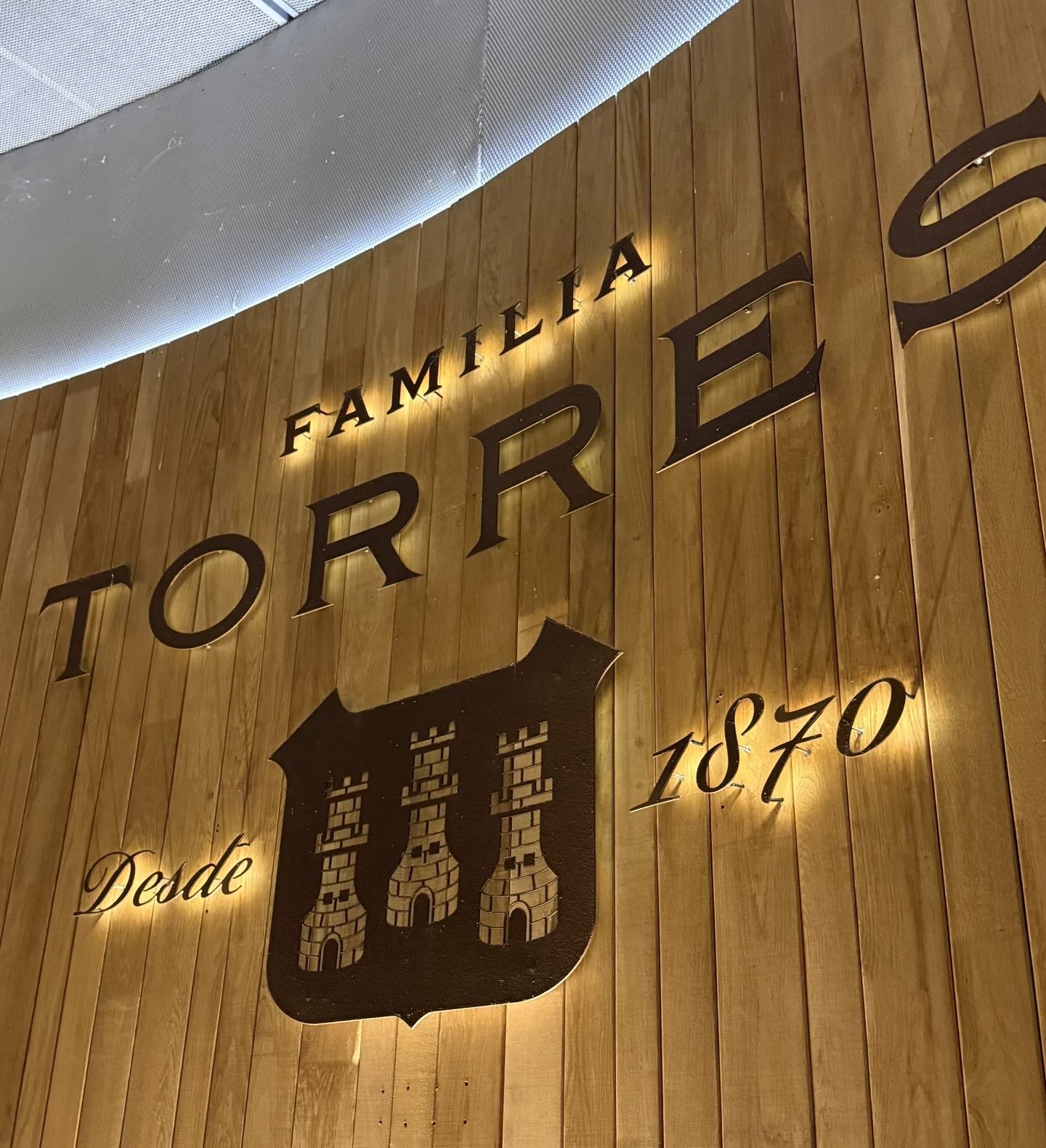
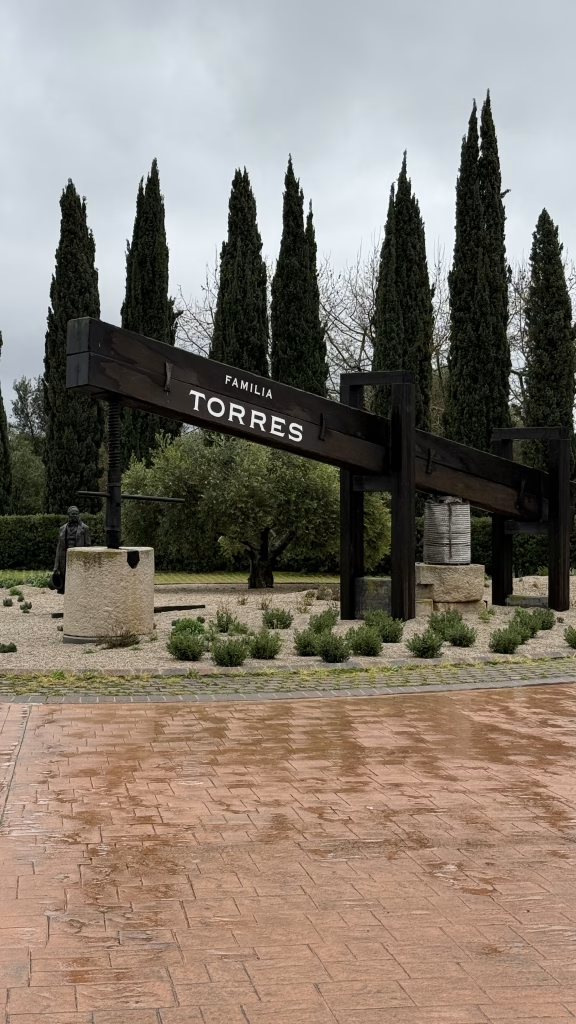
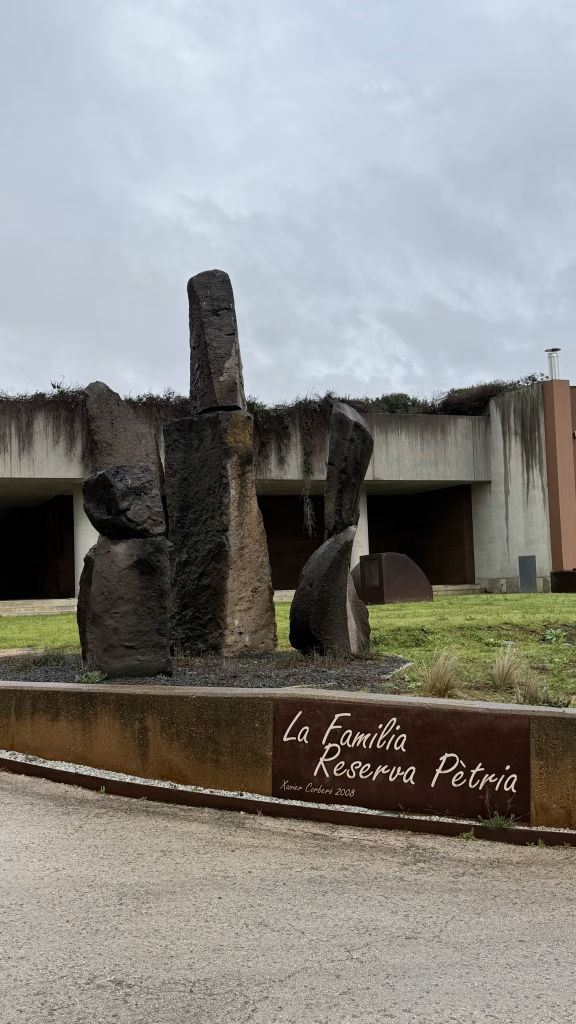
Familia Torres was founded in Vilafranca del Penedès in the Penedès region in 1870, and has been passed down to the fifth generation today. It is one of the most internationally important family wineries in Spain. It was the fourth-generation head Miguel A. who really put it on the world stage. Torres: He planted Cabernet Sauvignon into his own vineyard, Mas La Plana, in the 1960s, and the wine he made later became famous in the blind tasting battle in Paris in 1979 (this paragraph will be discussed in detail in the red wine section later). In recent years, Torres' signature has changed direction-it is a sustainable winery certified by B Corp, actively cultivating native varieties like Forcada that have almost disappeared, and is also doing regenerative agriculture.
By the way, I would like to give Taiwanese readers a cordial link: You have seen the Sangre de Toro with a little bull hanging from the bottle in Carrefour and RT-Mart, and this is Torres. You think you haven't drunk Centennial Winery, but you may have already drunk it a long time ago.
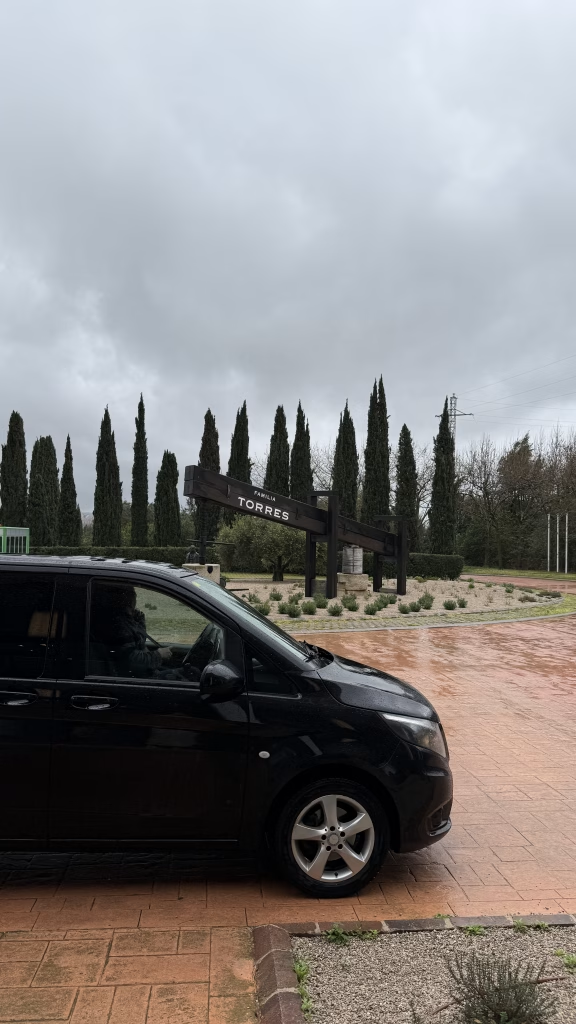
The tour itself is hosted by Touring Pandas, which specializes in Chinese-speaking travelers. The whole journey is guided in Chinese, including round-trip transfers from Barcelona city, departure on Monday, Wednesday and Friday, 5 hours, and €129. For people who don't worry about driving by themselves and want to understand what the tour guide is talking about, this combination is very worry-free.
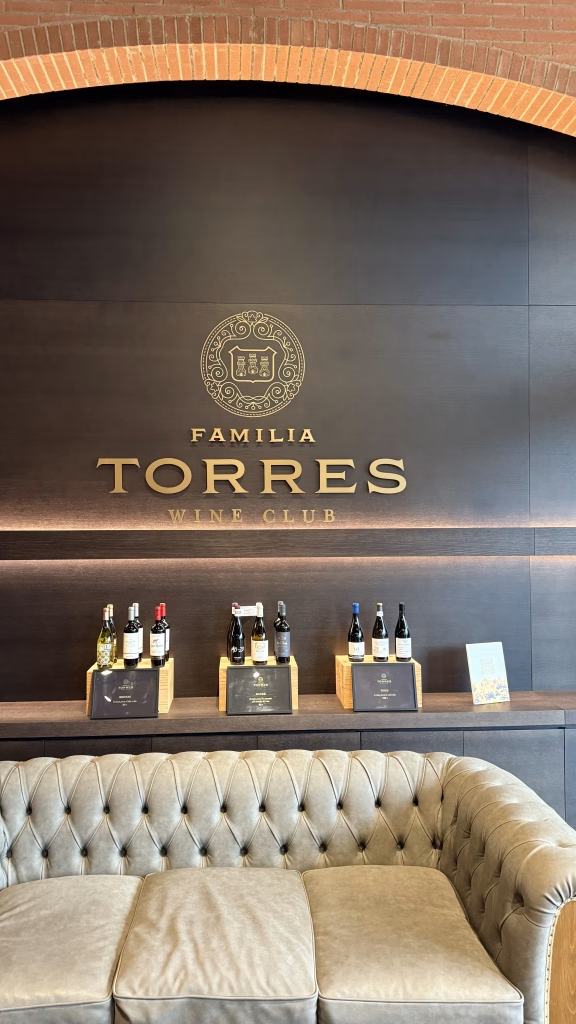
Brunch Time
Come to the country for lunch after arrival
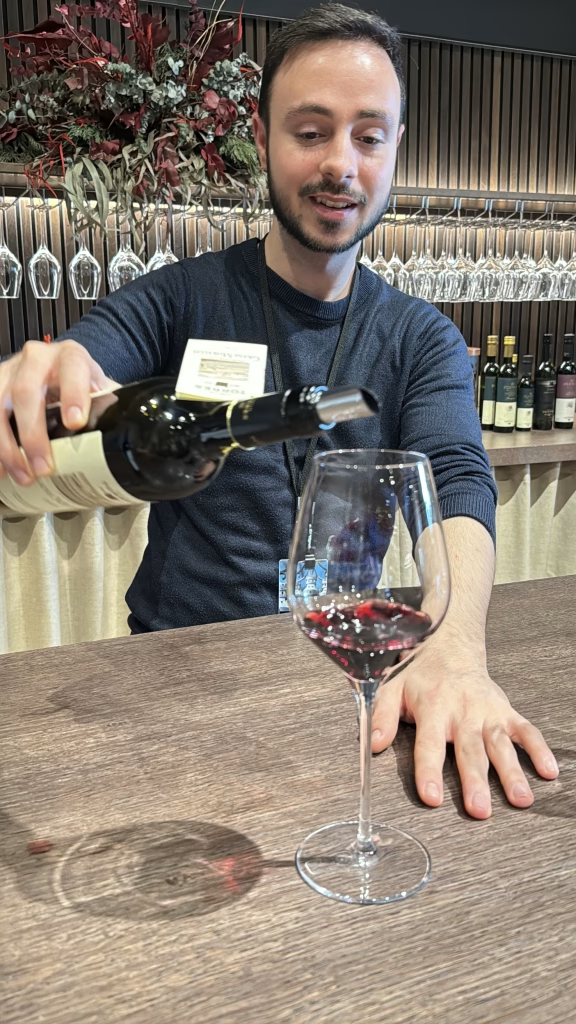
The itinerary focuses on "four selected wines to accompany the meal", but I actually drank five on the day. Let's be honest about two changes: first, the four styles listed on the official website are Vermut Casals, Forcada, Purgatori, Cuvée Esplendor de Vardon Kennett, and my red wine that day was replaced with Gran Coronas Reserva 2016; second, an extra Magdala orange liqueur was added in the end. The wine list will be adjusted according to the scene, so you can be mentally prepared before you go-but as far as I'm concerned this time, the direction of change is upward. The following is based on the five actual drinks that day.
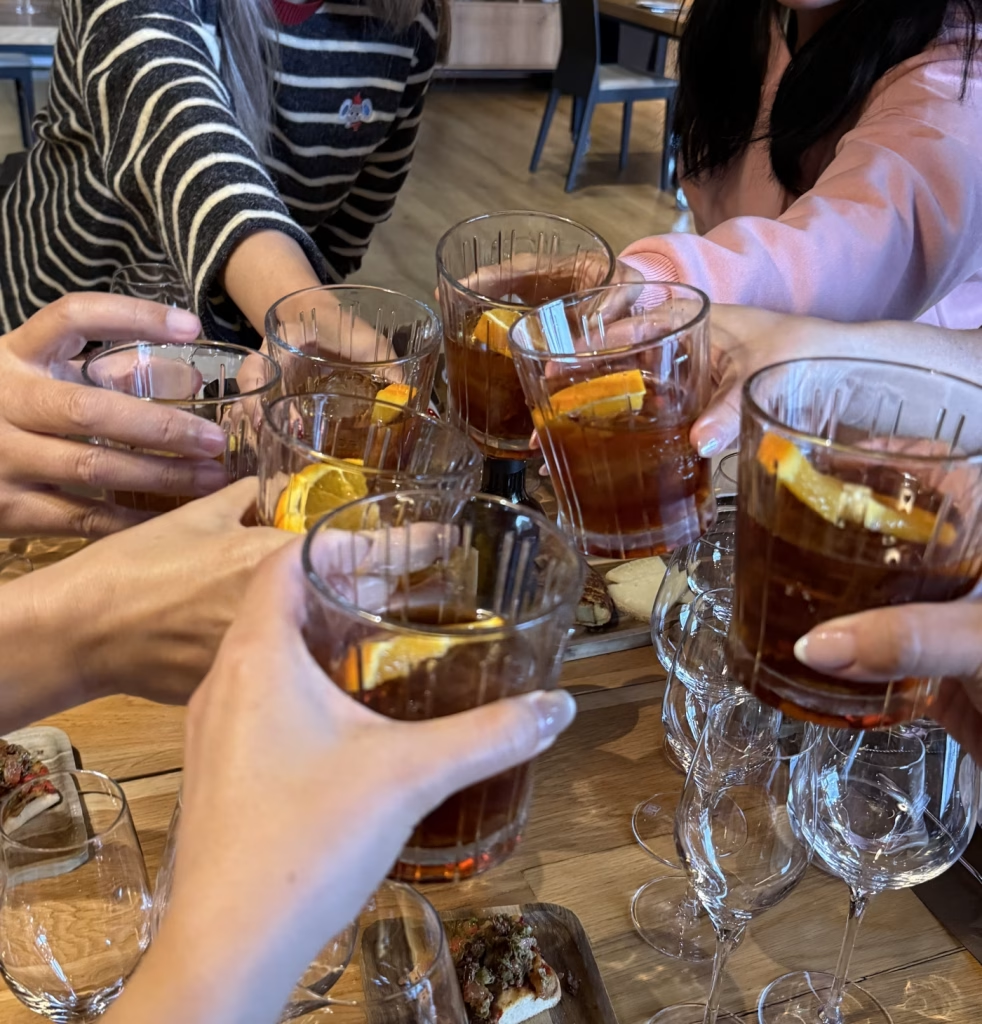
Before dinner|Vermut Casals
The opening is a glass of Catalan-style red-scented mug of wormwood, with bitter and sweet herbs, slight orange peel and spices. Drinking on ice is a very authentic Spanish appetizer. Its role is not to be the protagonist, but to open the taste buds and slow down the rhythm. It goes well with the tomato bread on the table.
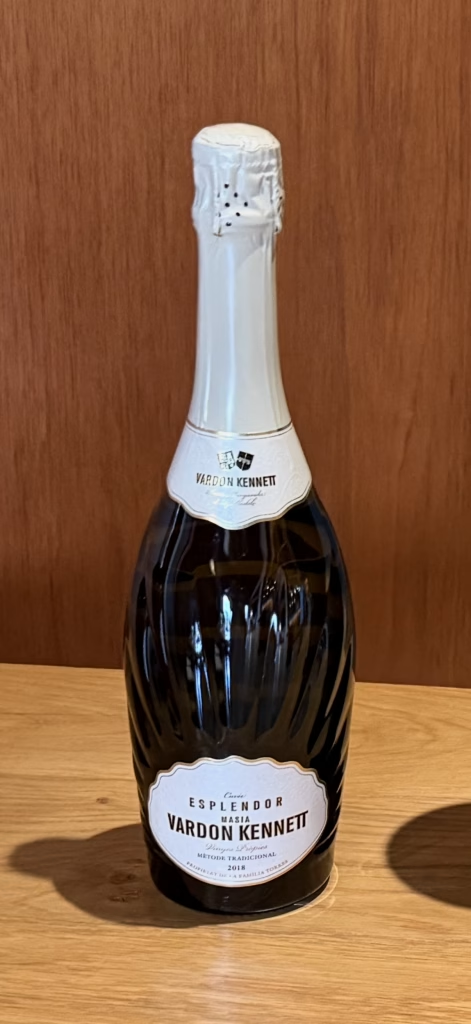
Bubbles|Cuvée Esplendor de Vardon Kennett
The second bubble is the top traditional French bubble of the Vardon Kennett series, which is the 2018 Cuvée Esplendor. Penedès was originally the base camp of Cava, but Vardon Kennett took a more refined route from high-altitude grapes, with fine bubbles and high acidity.
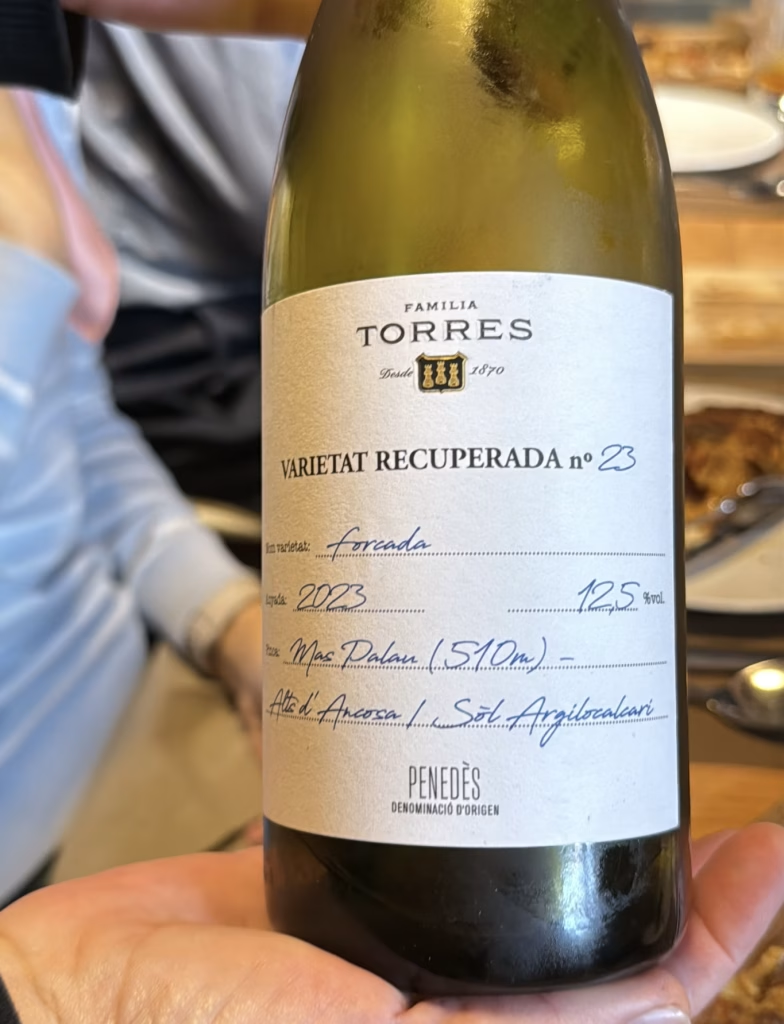
Native white|Forcada
Forcada is worth saying separately. The 2023 vintage was poured on the same day, and the wine label said "Varietat Recuperada nº 23" (No. 23 rehabilitation variety), from the Mas Rabassa park at an altitude of 510 meters, with an alcohol content of 12.5%-just look at this label to know that Torres regards rehabilitation as a long-term numbered file.The plan is being done, not a marketing stunt. It is one of the native white grape varieties cultivated by Torres. It was once almost extinct in Penedès. It has a high acidity and comes from a higher altitude. It takes a refreshing and skeletal route.
Bringing a "nearly disappeared variety" to the table itself echoes the theme of "seed preservation and sustainability" throughout the trip-this glass is not just wine, but a memory of the production area that was rescued.
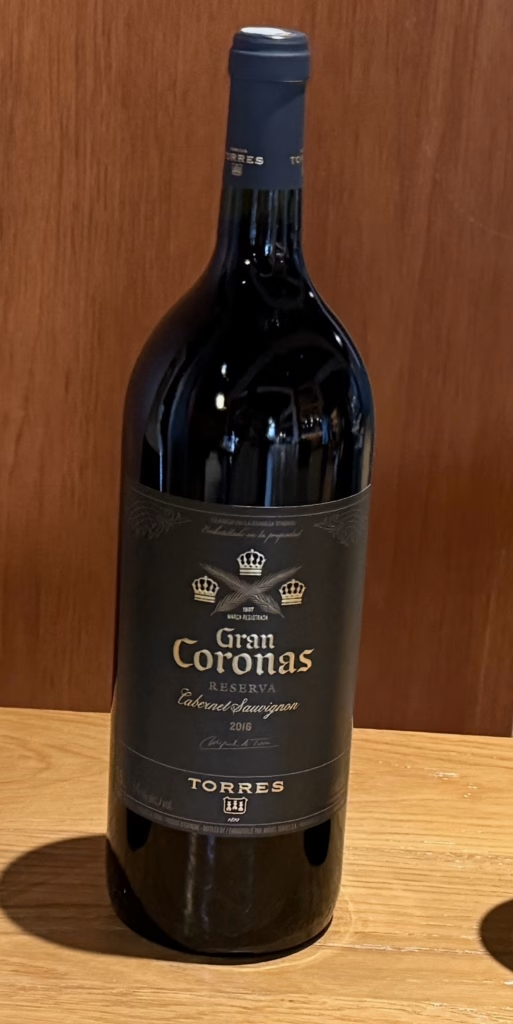
Legendary Red|Gran Coronas Reserva
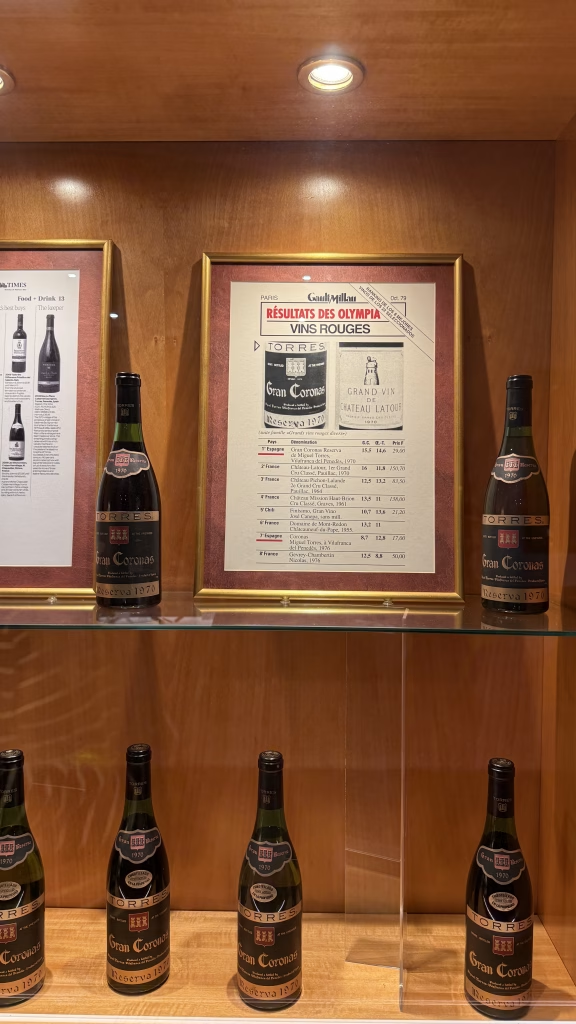
This is the "named wine" in your mouth. Let me help you who understand wine tell the story more accurately. In 1979, the French food authority Gault &Millau held a blind tasting of the "Wine Olympiad" in Paris. Torres used the 1970 Cabernet Sauvignon from the Mas La Plana vineyard to participate in the competition-the team was called Gran Coronas (Black label/Etiqueta Negra) that year-and won the first place in the Cabernet group, putting the Winery Latour In 1970, these famous Bordeaux estates fell behind, and World War I put Penedès on the map of the world. Later, this champion wine was independently named Mas La Plana.
So to be precise: the Gran Coronas Reserva that was poured that day is homologous to the legendary same name and is connected by blood, but strictly speaking it is not the black label that won the championship in 1979 (today's black label is called Mas La Plana, and Gran Coronas is its next-level wine, which has not been used. Made from the standard fruit of Mas La Plana). This does not damage its good taste, nor does it damage the weight of the story. It's just that as Choosy Chou, I would rather make this line clear than vaguely make you think you have drunk the champion deity. It comes with a cold knowledge that is often confused: many people confuse "Spanish wine beats Bordeaux" with the famous "Paris Trial" in 1976-not the same one. The Paris trial was California vs. Bordeaux, and Torres relied on the 1979 Gault-Millau.
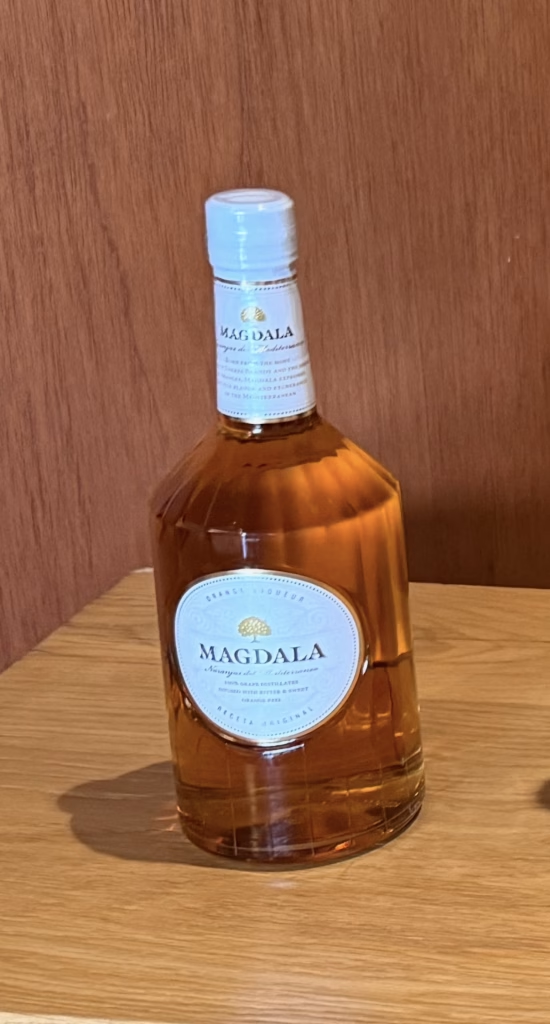
Plus|Magdala Orange Liqueur
The itinerary said "four selected wines", but it was actually five on the day-in the end, one more Magdala was added. This is the work of Juan Torres Master Distillers, Torres' spirits division: the orange peel is soaked in its own small batches of grape brandy, and then aged in old oak barrels with an alcohol content of 39%. The formula has been guarded by the chief distiller and will not be spread out. By the way, Torres' qualifications for making distilled wine can be traced back to the second generation of Juan Torres Casals in 1928-this family not only made wine, but also made brandy for nearly a hundred years.
I will mention it in particular because this addition makes up the last piece of the complete tasting puzzle: from pre-dinner moxa, white wine, red wine, and sparkling wine, all the way to liqueur-it's equivalent to using a table to take Torres' product line all the way from the vineyard to the vineyard.Distillation chamber. Drinking five bottles at the price of "four wines", this kind of silent increase, the somatosensory feeling is very good.
Catalonian dining table
The meals follow the fresh and local Catalonian home-cooked route
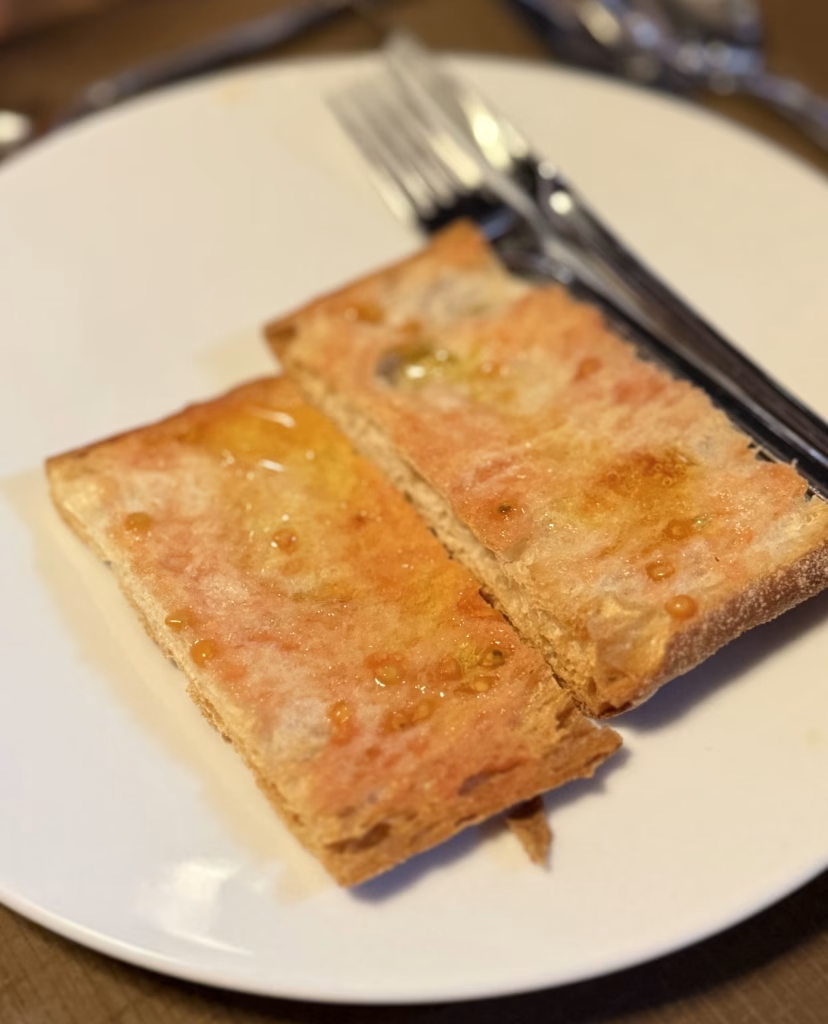
Tomato bread (pa amb tomàquet)
The tomato bread (pa amb tomàquet) is the most authentic bite in the audience: it's not for you to wipe it and serve it, but for you to bake the bread, smear it with garlic, smear it with their own tomatoes, and then drizzle it with olive oil. Tomatoes are grown by the manor. The sweetness and acidity cannot deceive people. This is the prototype that Catalonians eat every day.
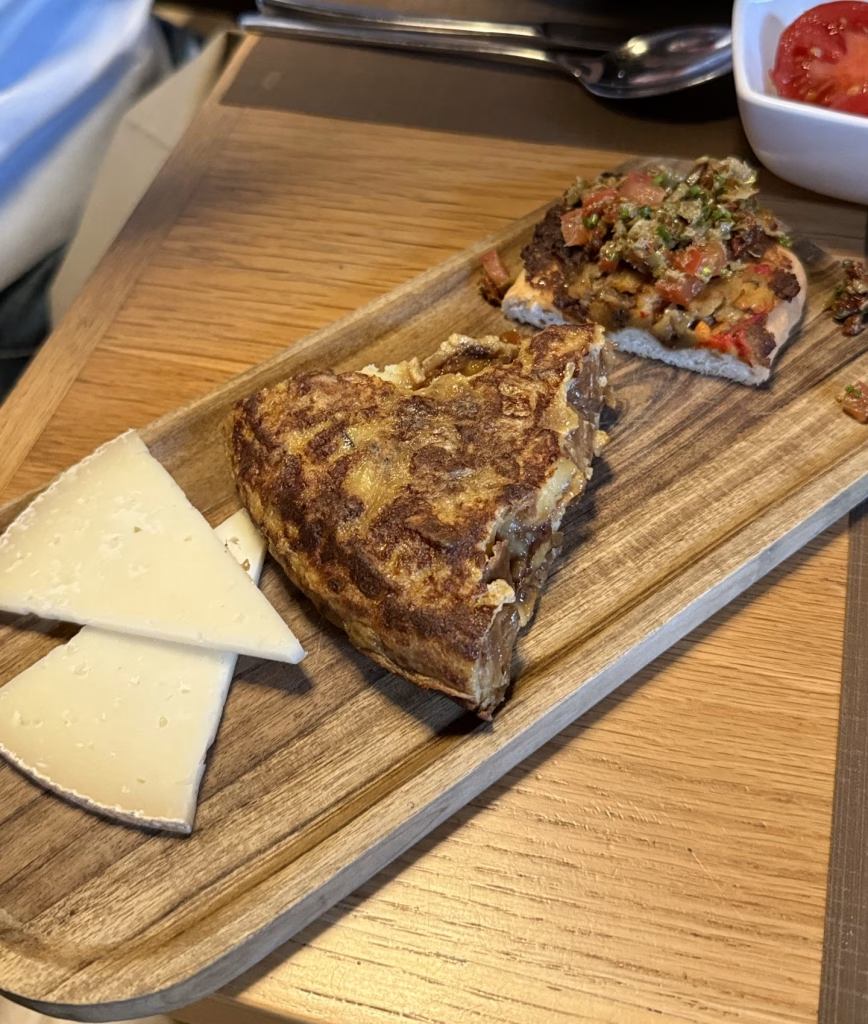
Anchovy escalivada pancakes
Anchovy escalivada pancakes are a bit like a thin slice of pizza-escalivada is a charcoal-grilled vegetable from Catalonia (mostly sweet peppers and eggplants), spread on the pancake and then put anchovy. The salty flavor and the smoky sweetness of the vegetables take each other away.
Spanish baked eggs (tortilla de patatas)
The Spanish baked egg (tortilla de patatas) is a very authentic practice: the authentic tortilla pays attention to the shape of the outer edge and the moisture in the center, rather than the quiche that is fried until it is completely dry. The heat is just right.
The local feta cheese is also made by their own sheep-this kind of detail, which is produced in one stop from vegetables, chickens to sheep, is the place where the sincerity can be most felt when the whole table is eaten.
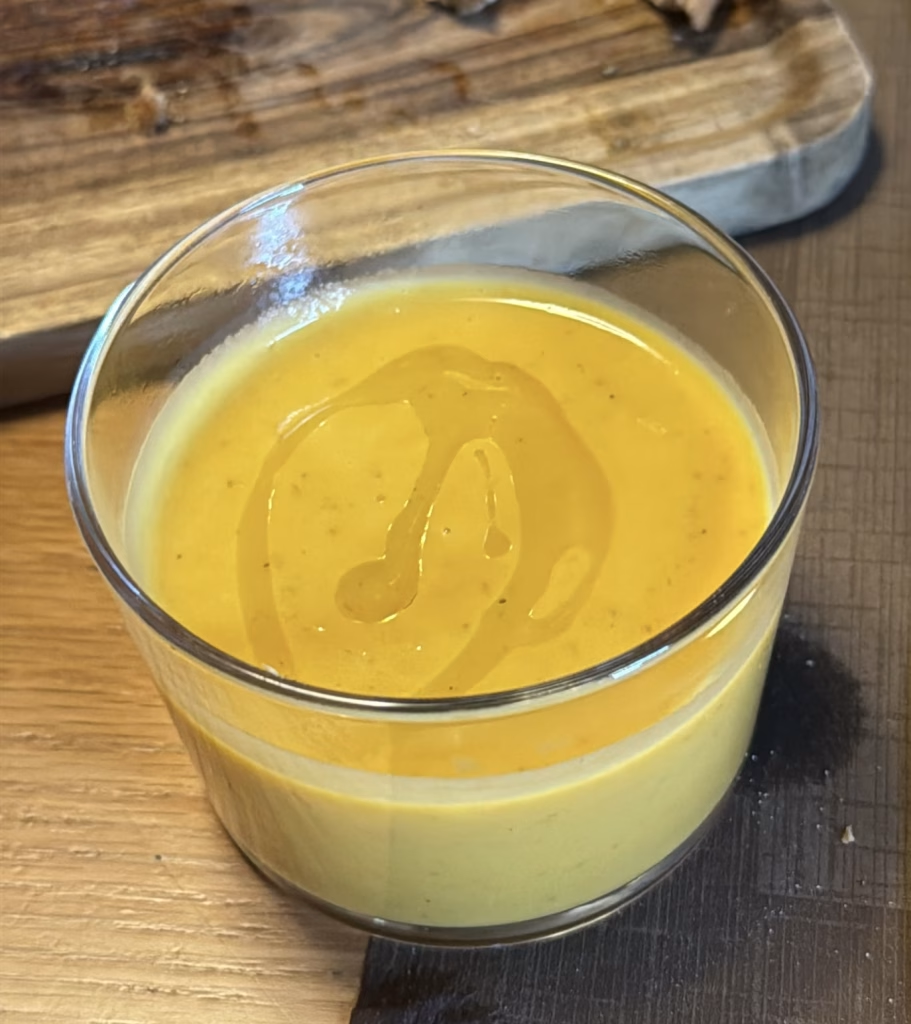
Pastoral vegetable soup
The pastoral vegetable soup that day was a bowl of pumpkin soup. The vegetables came from their own vegetable garden. It tasted warm, sweet and natural. It was a very home-cooked stomach-warming soup.
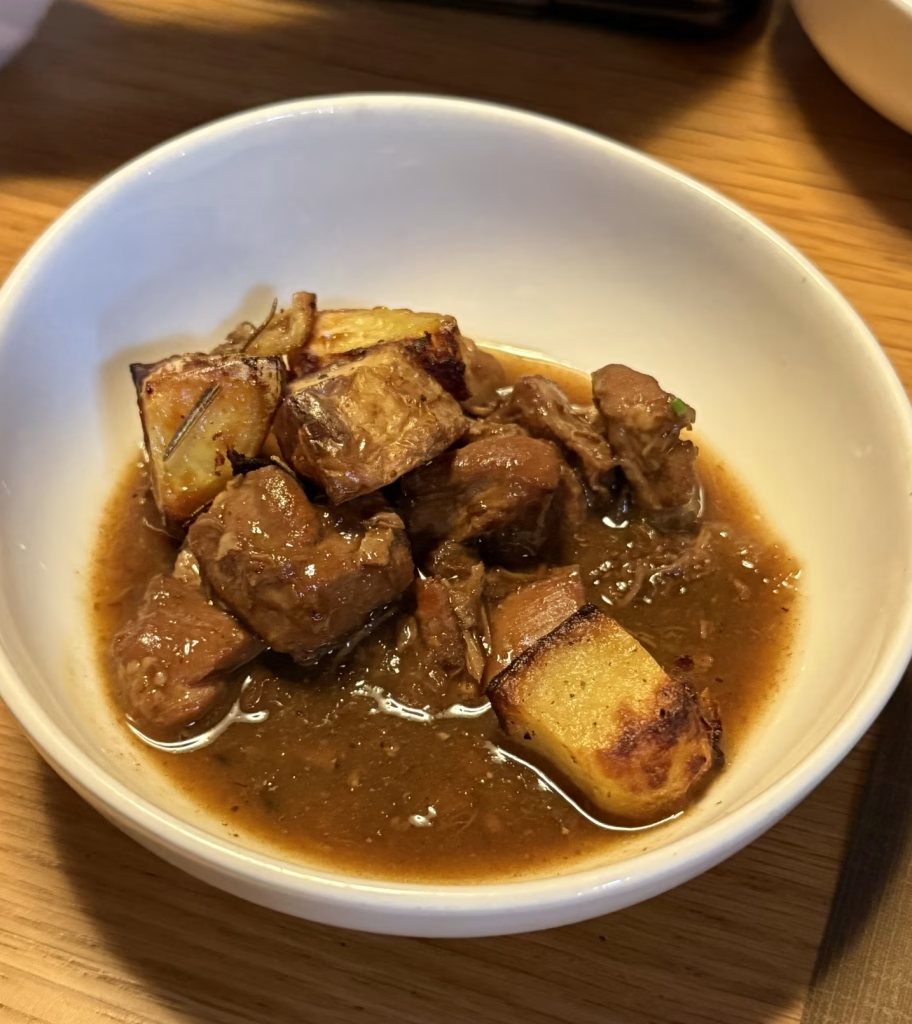
Catalonian chicken stew
The Catalonian chicken stew is an unexpected surprise. The chicken is very soft and delicious. If you ask them, it is their own chicken. No wonder the meat quality is not of the same grade as the general group meal.
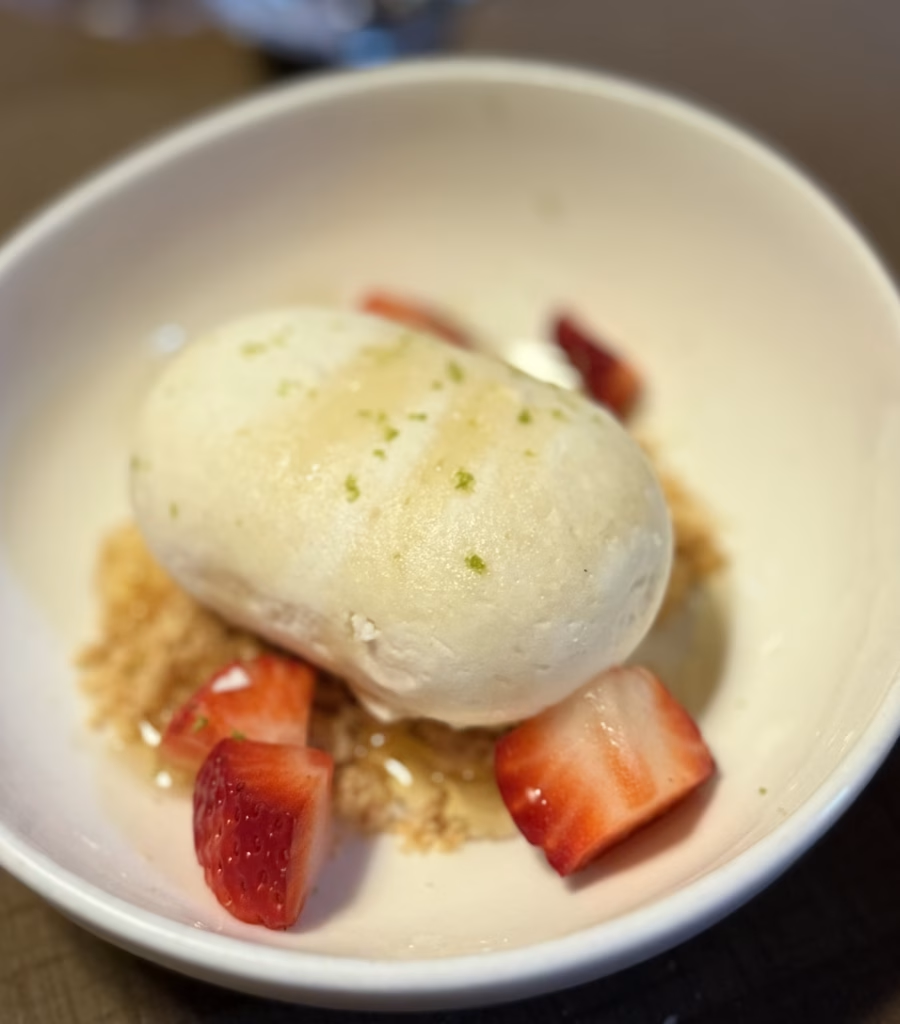
mató
The final mató is a kind of fresh Catalan curd, topped with honey produced by Mas La Plana Manor. The taste is a bit like cheese pudding, smooth and slightly sweet, just right for finishing.
After-dinner itinerary
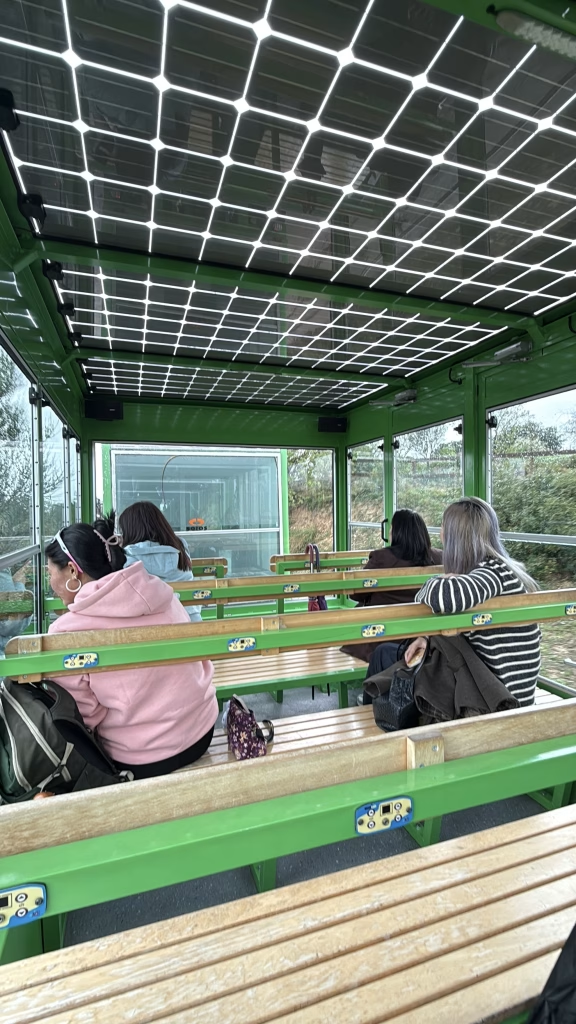
Vineyard Tour|Solar Electric Train
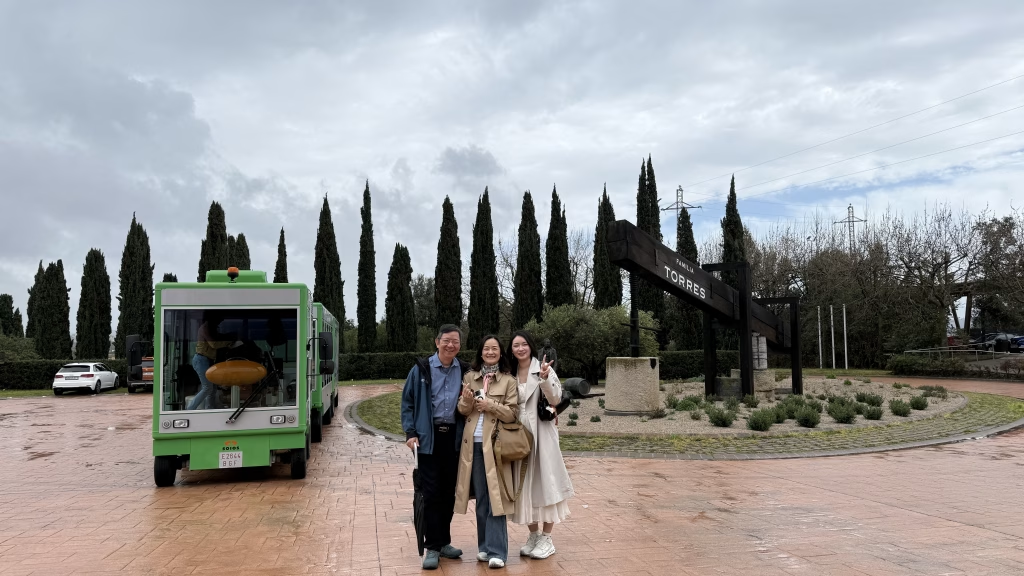
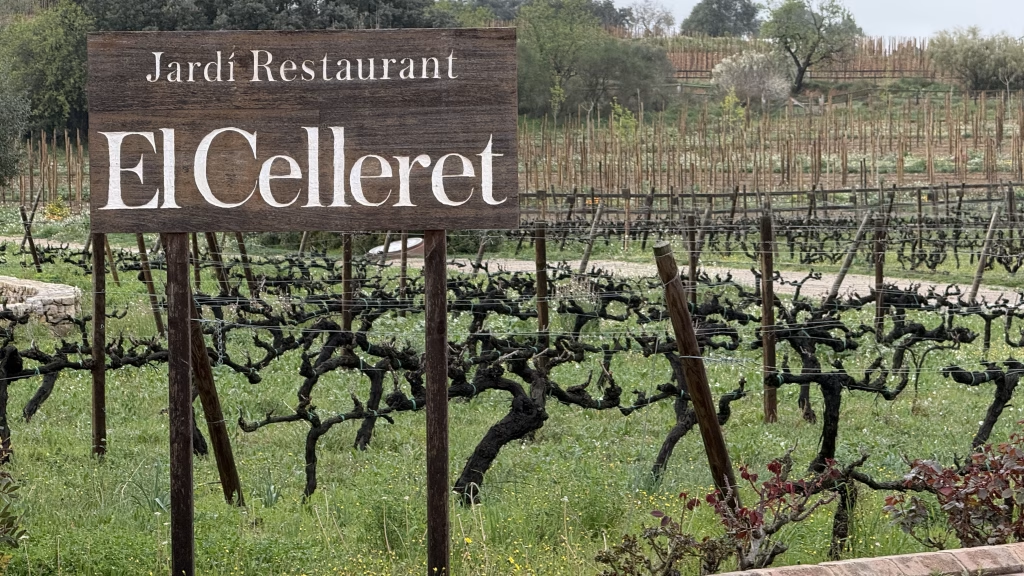
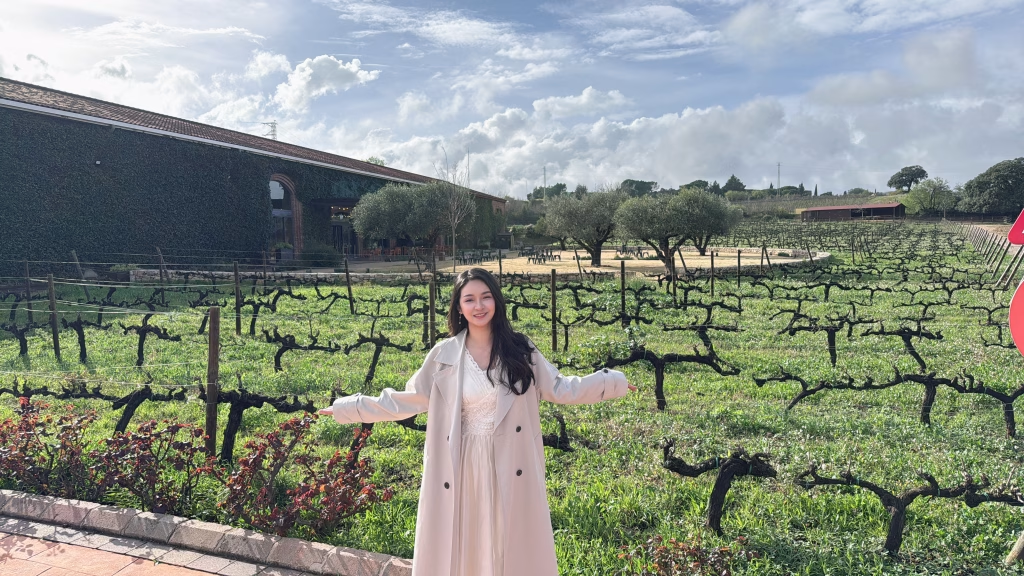
After you are full, take a solar-powered electric train through the vineyard. This small train itself is the epitome of Torres' sustainable route-it doesn't burn oil, it's quiet, and it's comfortable to sit up. It's just that at the beginning of March when I went, the vines hadn't sprouted yet, and the whole piece was brown branches. To be honest, the picture of the vineyard was discounted. "Sister is very good at filling up positions, and she will clearly explain the variety, soil, and slope along the road. After listening, she will have a concept of "Why can good wine be grown in this land", rather than looking at a field empty.
Waltraud Wine Cellar Tour
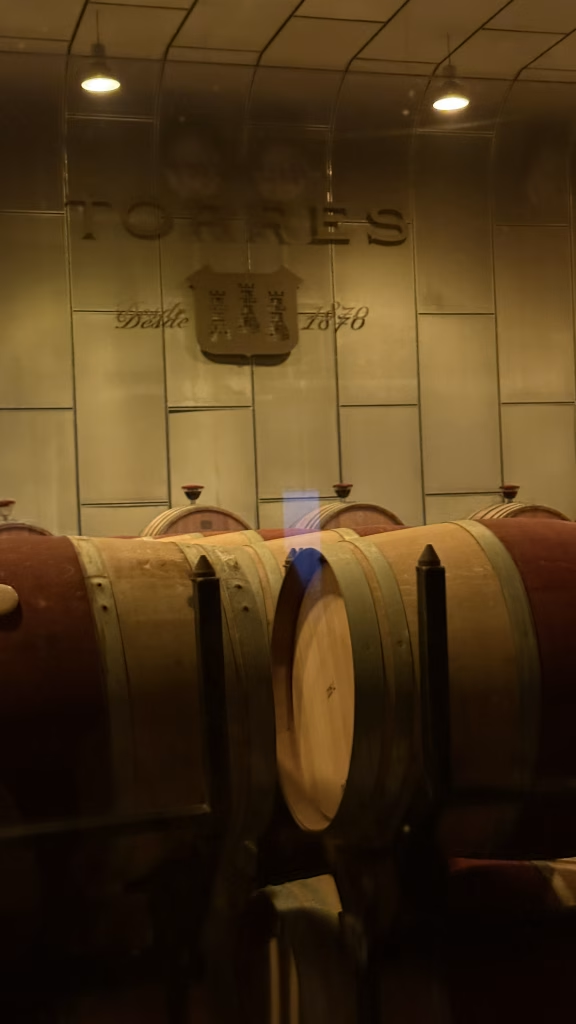
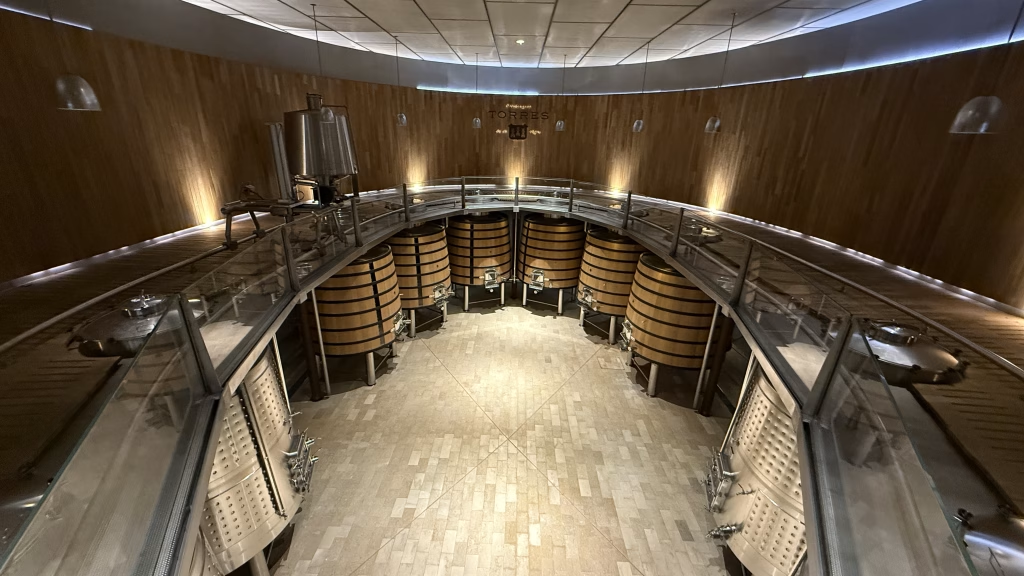
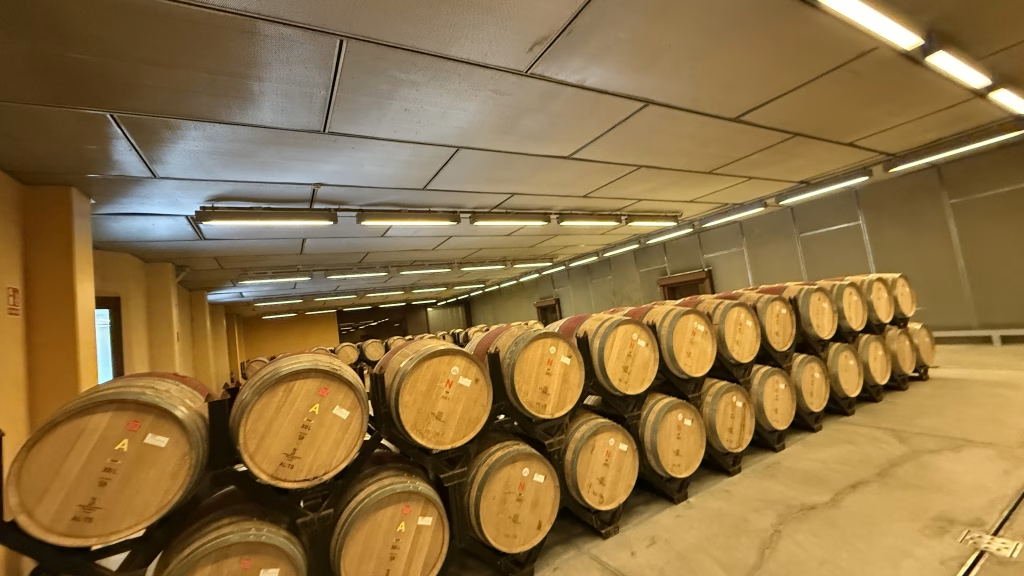
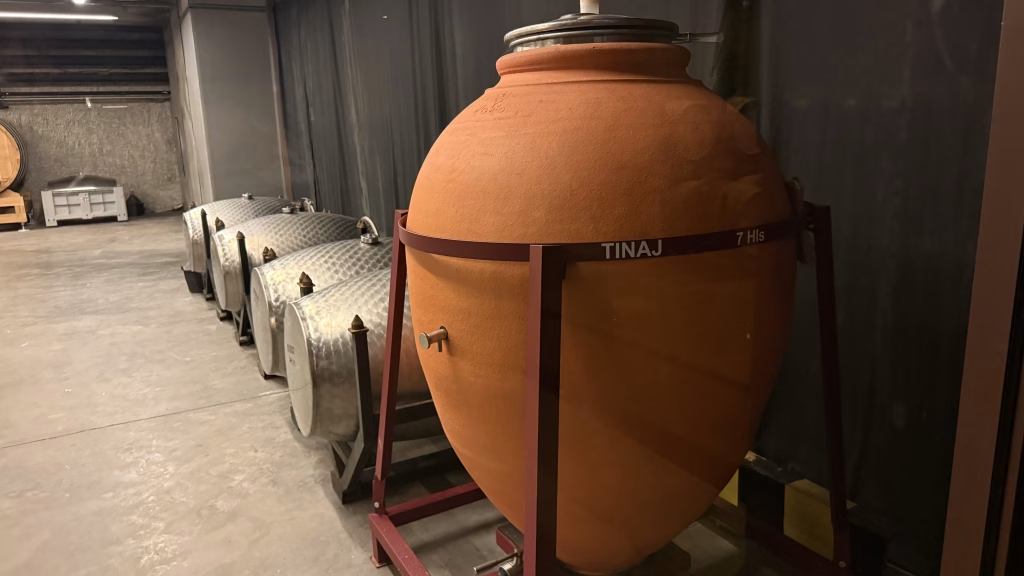
This is the part I think is the most worthwhile part of the whole trip. Walk into the Waltraud wine cellar (named after Miguel A. Torres' wife, who is also the name of one of their Riesling), the temperature and humidity, the oak barrel array, and the rhythm of aging are all discussed in great detail. It doesn't matter if you can't see the grapes in winter and spring, the wine cellar is there all year round, and this kind of "behind the scenes" experience is something that ordinary wineries can't give. The whole process is in Chinese, the elders don't have to keep asking "What did he just say", the body feels very relaxed.
loot
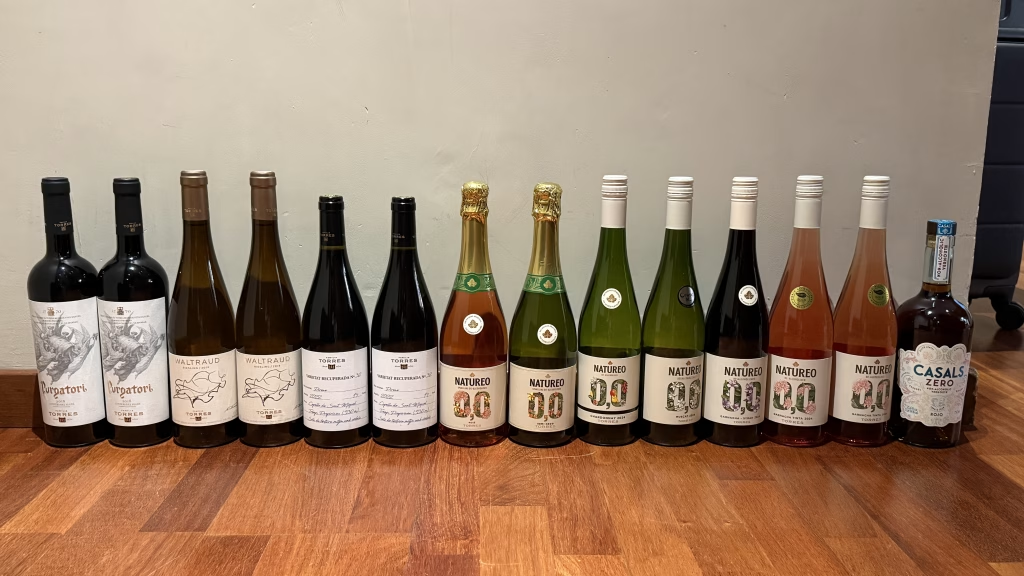
Final Thoughts
Let's start with the most real advantages: in-depth guided tour in Chinese throughout the process + the ability to truly walk into the wine cellar + pick-up and drop-off in the city + you can directly buy your favorite wine after the on-site tasting. These four things add up to the value of €129. The meal is not a perfunctory group meal-the details of self-growing tomatoes and self-raising chickens can be eaten sincerely. The combination of bringing parents is especially rewarding: they don't have to worry about language or transportation, and they can eat and drink when they sit down.
There are also two points to complain about. First, the minivan on the return trip is too crowded to sit up, and the suburbs go back and forth for a while, and points are deducted for comfort-people who care about the ride experience or are prone to motion sickness should be mentally prepared. The second is the season: I came in early March, the vines have not yet sprouted, and the visual charm of the vineyard is a lot less. The "scenery" of this trip is highly seasonal. When the garden is full of greenery in summer, the experience will be completely different.
Who is it suitable for: people who take their elders on a trip, want to understand the guided tour but don't want to drive by themselves, are interested in winery history or sustainable agriculture, and want to take the wine home after tasting it on site. Not suitable for anyone: If you just want to take beautiful photos of the vineyard and can only come in winter and spring, or you don't drink much and have no sense of wine history, then the somatosensory CP value of €129 will decrease-the value of this trip is "deeply integrated", not sightseeing.
Score 8.5/10. In-depth Chinese guided tours, wine cellar experiences, authentic meals and transfers raised it to 8.5; it was not given higher because the two real deductions for ride comfort and seasonal landscape are still there. Would you like to visit again? Yes, and I want to stay until the summer to see if the star full of grapes can be made up.

Related information
- Itinerary: Day Trip in Chinese-Winery Tour, Wine Tasting & Local Cuisine (hosted by Familia Torres × Touring Pandas)
- Starting point: Touring Pandas Office (Carrer Sardenya, 311. (3), depart at 11:00 on Monday, Wednesday, and Friday
- Transportation: Including round-trip transfer from Minivan in Barcelona city
- Duration: about 5 hours
- Price: General €129; children 0-10 years old €49 (including grape juice and lunch); under 18 years old use grape juice or water instead of wine tasting
- Language: Full Chinese tour guide
- Reservation: Torres official website itinerary page/FareHarbor Online reservation
- Visit information: Actual visit in early March 2026, at your own expense of €129, this article has no job allocation and no hospitality
- Actual tasting on the day: Vermut Casals, Forcada 2023, Gran Coronas Reserva 2016, Cuvée Esplendor Vardon Kennett 2018, plus extra Magdala orange liqueur (five in total; the Purgatori listed on the official website will be replaced by Gran Coronas on the same day)
Restaurant information
- address:Finca el Maset, s/n, 08796 Pacs del Penedès, Barcelona, Spain
- itinerary:https://www.torres.es/visitas-maridajes
Would you like this itinerary?