
Content table of contents
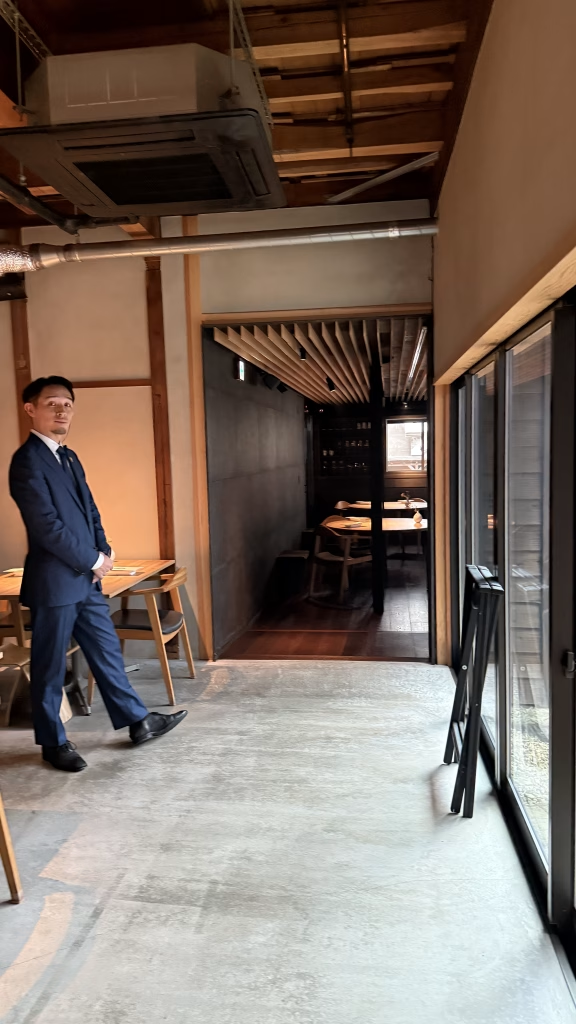
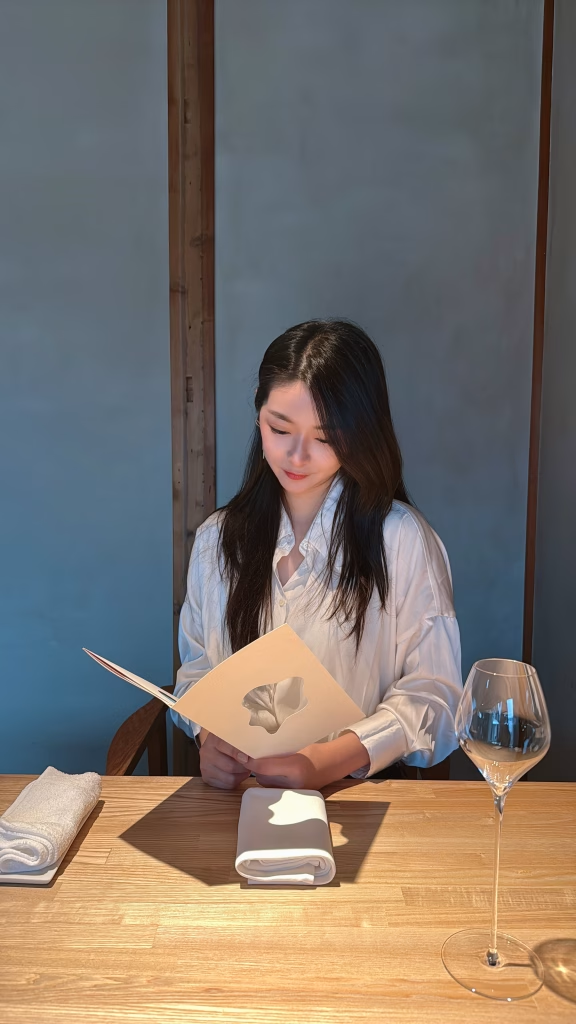
Walking into the two-michelin-starred Spanish restaurant respación, it seems that you are not simply entering a restaurant, but are guided into a narrative about the cycle of land, time and life. The restaurant is located in a Meiji-era machiya with a history of about 140 years. The appearance is low-key and restrained, retaining the slender and deep lines of the traditional machiya. After crossing the narrow corridor, the line of sight suddenly opened up-the "warehouse" (warehouse space) converted from the rear became the core stage of the restaurant.
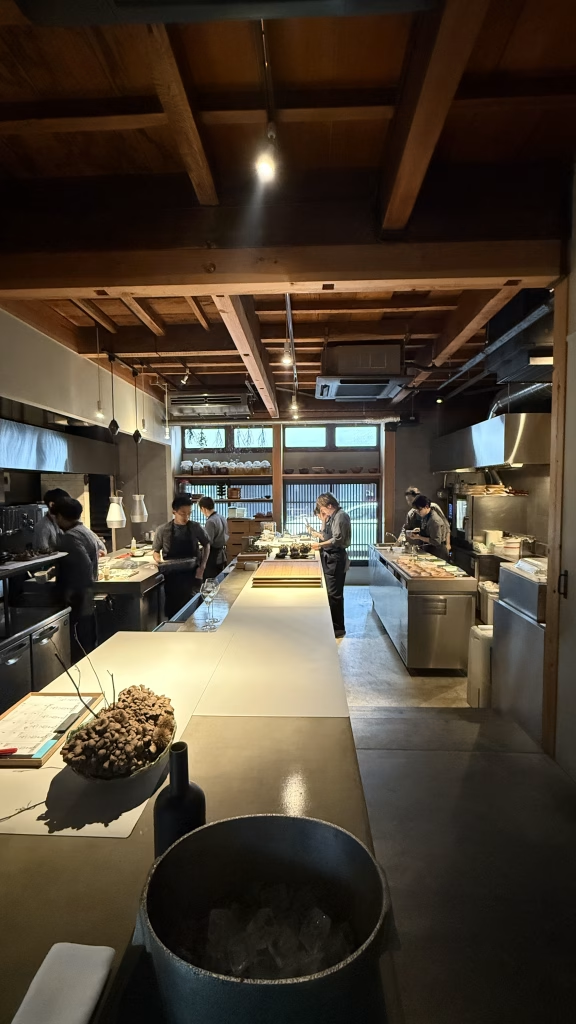
The spatial light deliberately converges, leaving only the necessary level of light and dark. A huge table of rice, like undulating mountains, stands quietly in the center. Its lines symbolize the outline of Ishikawa Prefecture, and it is also a metaphor for the cooking that will start from the "land" and extend to the connection between mountains and the sea, people and time. Before the chopsticks were moved, the philosophy of the whole meal had quietly unfolded.
#respiración #Kanazawa #Kanazawa Gourmet #kanazawafood #michellinstar
(Dining in October 2025)
respación restaurant introduction and dining experience
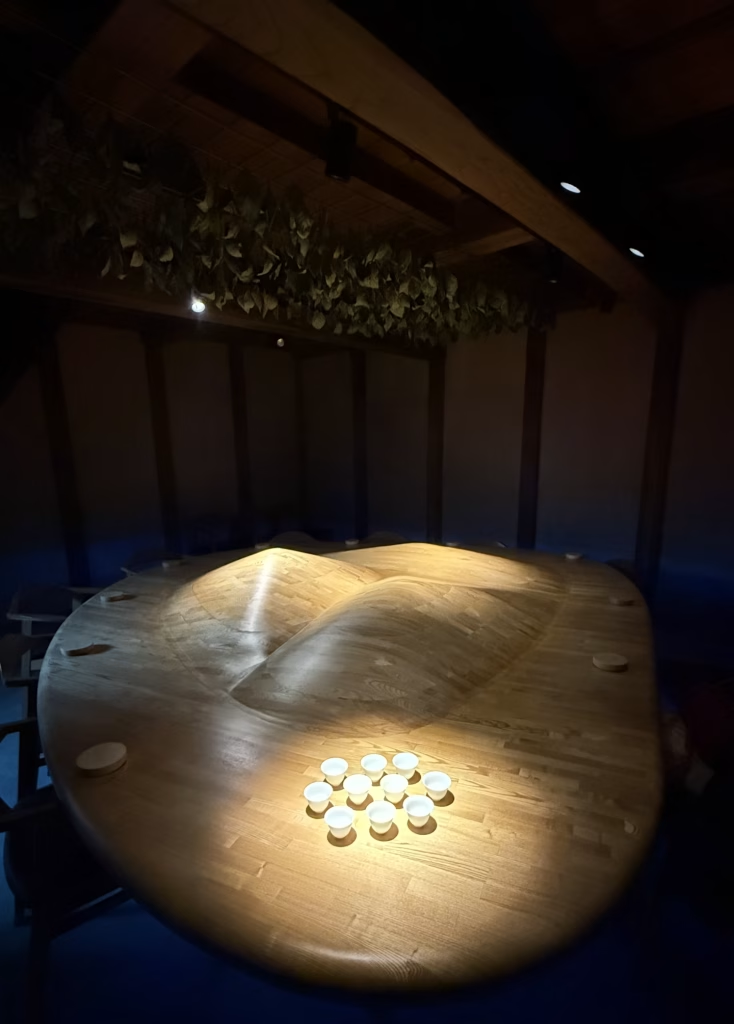
Opening tea|Fermented vanilla Tea at the foot of Baishan Mountain
The first welcome drink is made from plant materials from the foot of Ishikawa Hakusan Mountain. The fermented vanilla tea has a smell similar to what Japan calls "vanilla leaf", with a fresh tone similar to citronella, but less stimulating, more warmth and depth. The entrance is clean and transparent, and the herbal scent slowly unfolds, as if it is a gentle warm-up for the taste buds, allowing the senses to gradually adjust to the rhythm that the restaurant wants to lead, not in a hurry, not dazzling, but back to the feeling itself.
respación's cooking philosophy
"respiration" means "breathing" in Spanish. The chef regards this concept as the core metaphor of cuisine: mountains, forests, oceans, producers, chefs and diners should share the same rhythm.
The restaurant does not only stay at the slogan level of "real estate and land consumption", but transforms the natural environment, seasonal circulation and producer labor of Ishikawa Prefecture into a narrative cooking structure. Each dish is not just a stacking of flavors, but through fermentation, maturation, transformation and reorganization, the ingredients themselves speak, forming a terroir language that can be perceived and remembered.
From this moment on, move to the restaurant, and the meal officially enters the rhythm.
Cooking record
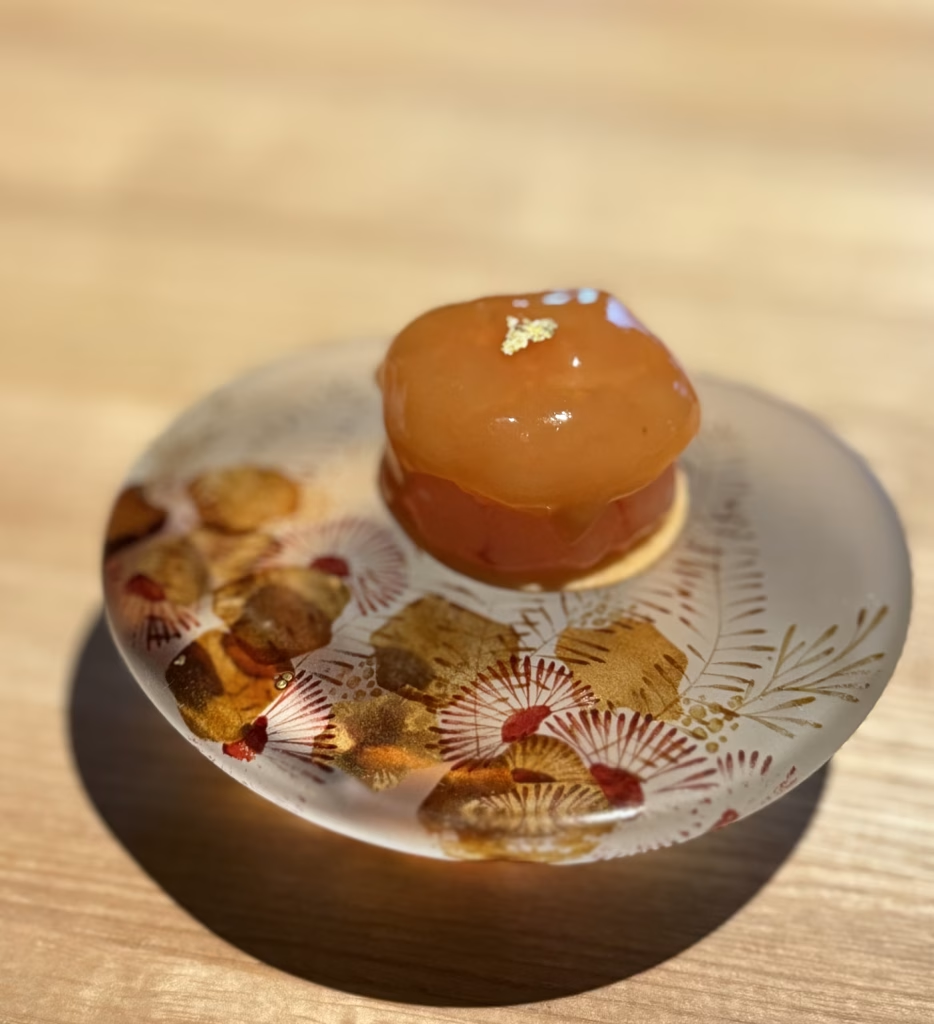
Impact Shrimp|Gan Hailao
This dish can be said to be one of the masterpieces of respación, and it is also a very "declarative" dish.
Using the sweet shrimp rich in Ishikawa Prefecture, the chef did not present it with common raw food or simple seasoning, but completely disassembled and reconstructed it, trying to answer a question: When an ingredient is truly understood, to what extent can it be extended?
The whole dish fully uses every part of the sweet shrimp:
• Shrimp heads are boiled into concentrated shrimp paste, the flavor is similar to high-density shrimp miso, and the flavor is concentrated and deep.
• The shrimp body is marinated with homemade salt koji that has been matured for two years to make the sweetness more rounded and the level is longer.
• The bottom layer is covered with thin slices made of shrimp shells and shrimp eggs to provide a crisp and mineral feeling
• The top layer is decorated with gold leaf, like a spot of light that seals the flavor
The overall structure is like a "umami crystal". The entrance bursts out layer by layer. The salty, sweet, fresh, and spicy flavors are intertwined without confusion. It shows a high degree of completion and conceptual clarity. It is the kind of representative work that can understand the core spirit of the restaurant as soon as you eat it.
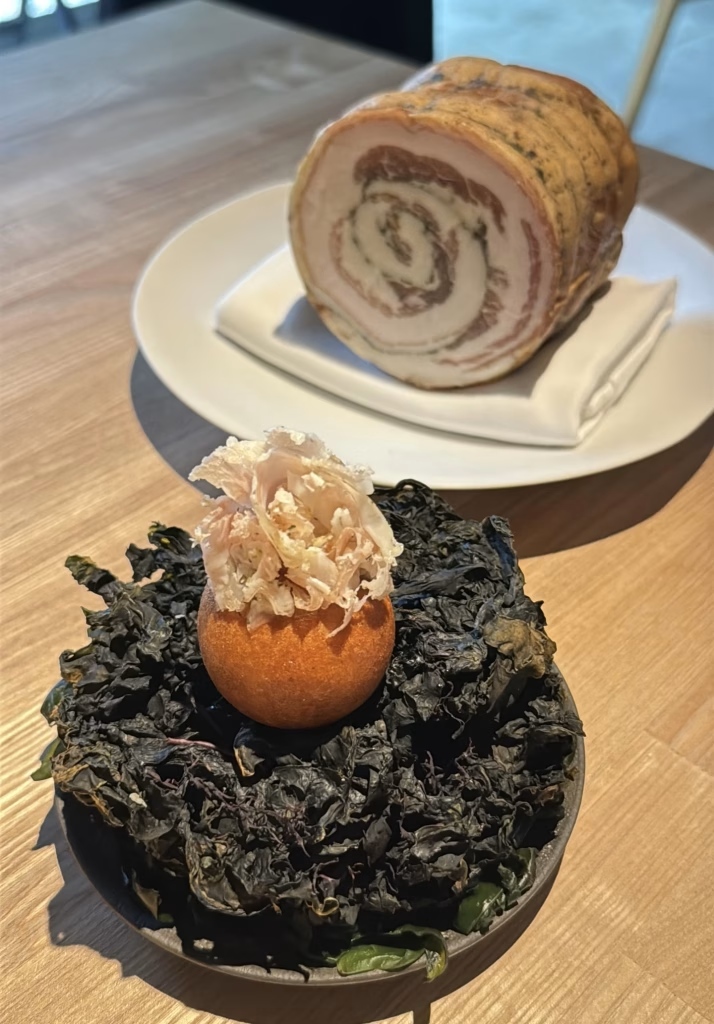
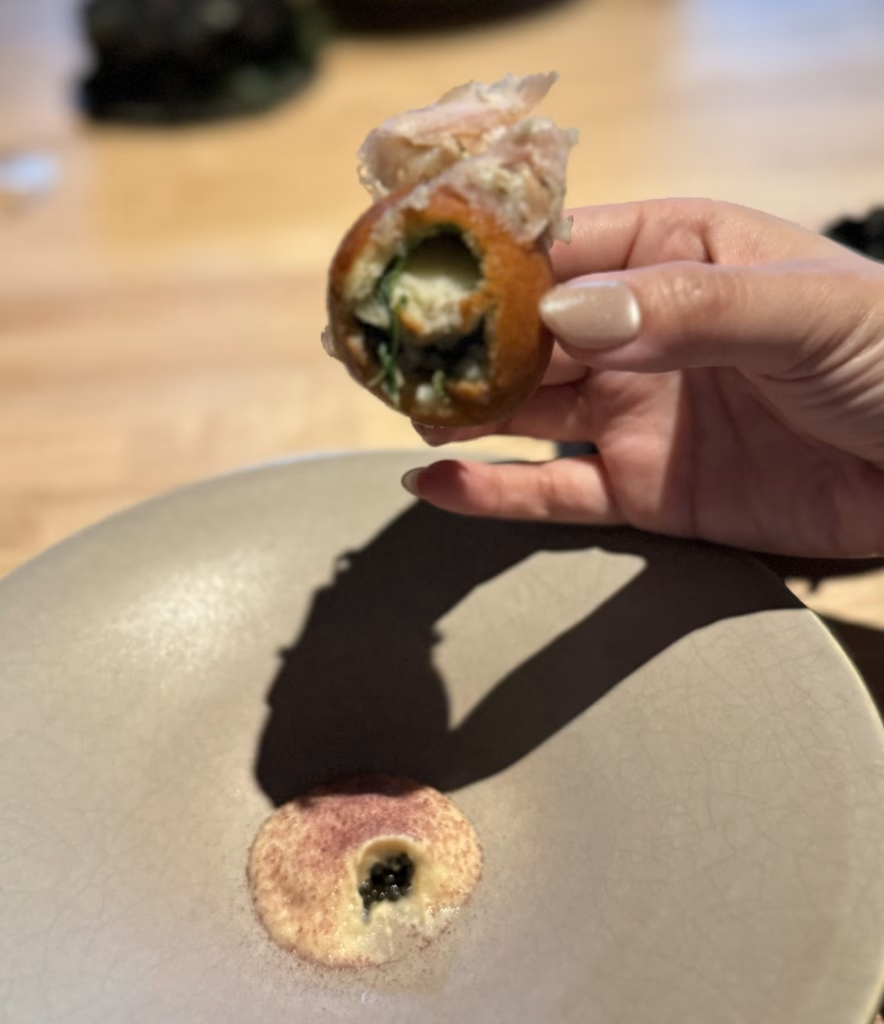
Oyster|Noto Oyster
Oysters from Noto Nanao are selected and dressed in dark utensils, which are visually like a corner of the deep sea. The cuisine takes the oyster itself as the main body, paired with the "Tosukashimeji" mushroom, and infused with a highly concentrated oyster stock to make the overall flavor strong but not fishy.
Add the dough wrapped in flour and fried on top, and stir in seaweed powder (aosa) to provide a crispy taste and ocean flavor. When entering, the hot soup releases the sweetness and mineral saltiness of oysters in the mouth, three-dimensional and full-bodied.
There is also a variety of sauces, using Noto corn as the base, mixing wild vegetables such as Japanese celery, wild garlic and young shoots, and then adding soy milk cream to soften the texture, and there is even caviar hidden at the bottom as the finishing touch. It seems that the elements are complicated, but in fact they are unexpectedly harmonious, successfully depicting the three-dimensional terroir of the Noto Peninsula where "mountains and seas coexist".
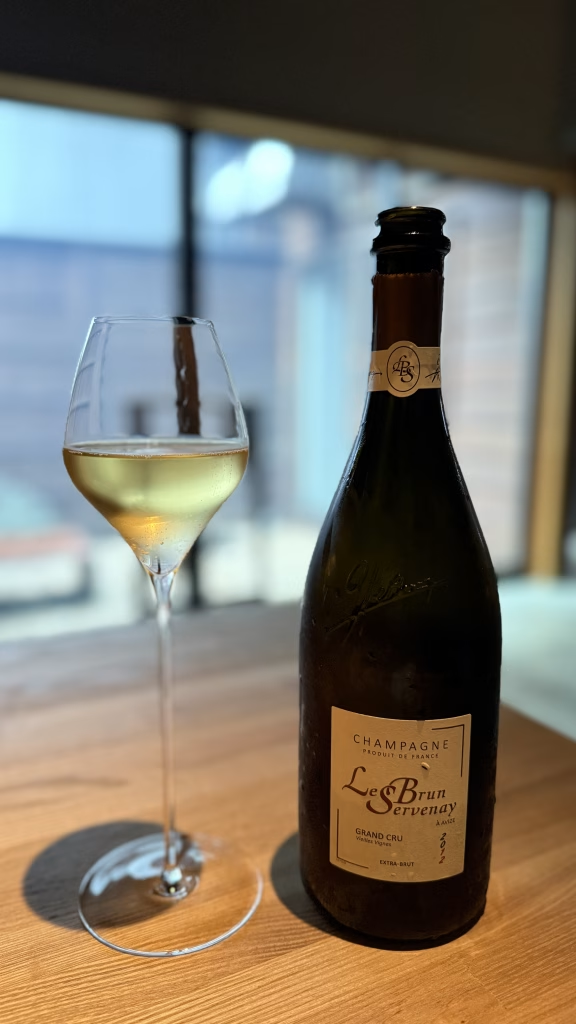
Le Brun Servenay|Grand Cru Extra-Brut Blanc de Blancs(Avize)
A family-owned smallholder winery from Avize in the Champagne region, Le Brun Servenay is known for its high proportion of old vines, extremely low sugar and cold mineral notes. This is not a pleasing champagne, but a wine that will "draw the outline first".
The first bite is a clean, straight acidity, with delicate and restrained bubbles; the scent of white flowers, lemon peel and ore slowly unfolds, and the overall lines are very clear.
This kind of personality just sets the tone for the previous cooking.
When paired with Ganhai, the acidity of champagne makes the sweetness of shrimp purer; when paired with Noto oysters, the mineral feeling and salty freshness echo each other, without unnecessary decoration.
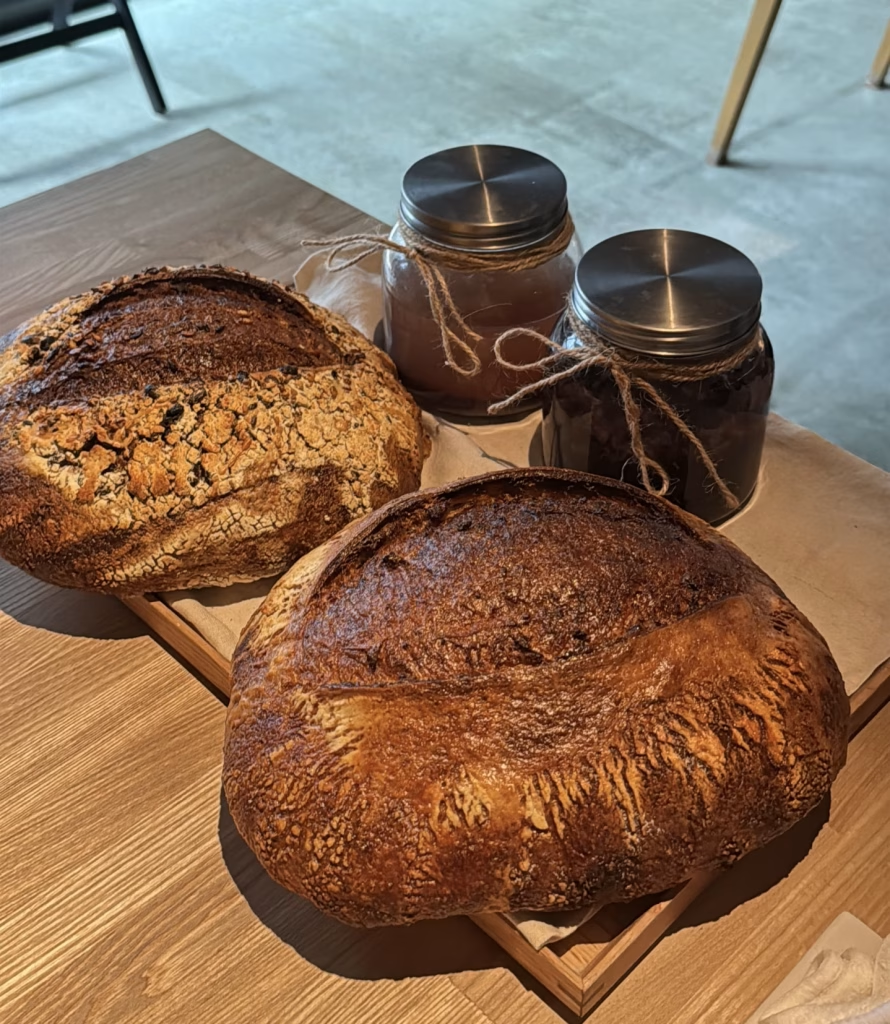
Handmade bread
The restaurant offers two homemade natural yeast breads, not simply as supporting roles, but as an important part of the continuation of the flavor context.
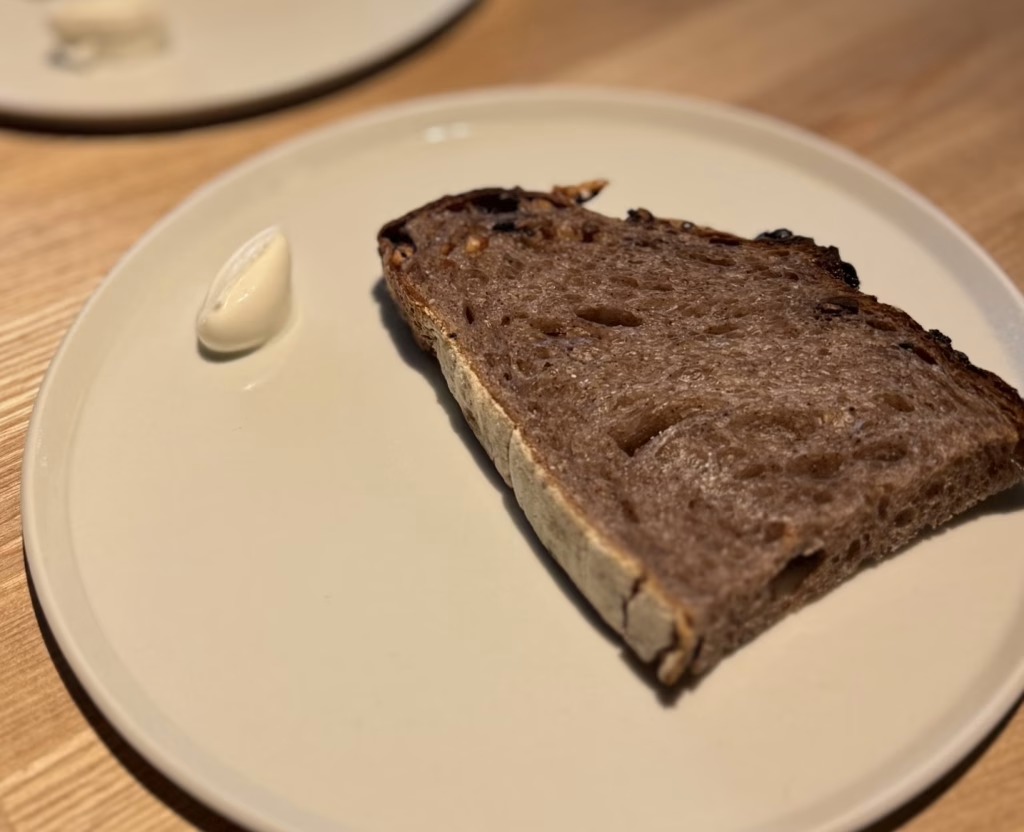
The first one is made with "six barley" fermentation liquid, which contains up to 15 kinds of grains, such as buckwheat and red beans. The taste is moist and rich in layers. The matching dance mushroom flavor spread sauce has a soft mushroom milk flavor, which is extremely warm as an opening.
The second type uses pomace left after winemaking to cultivate yeast. The raw materials come from the same winery in Toyama Prefecture, which makes the bread naturally mineral and delicate acidity, which forms a good echo with subsequent seafood dishes, and also reflects the restaurant's insistence on "recycling".
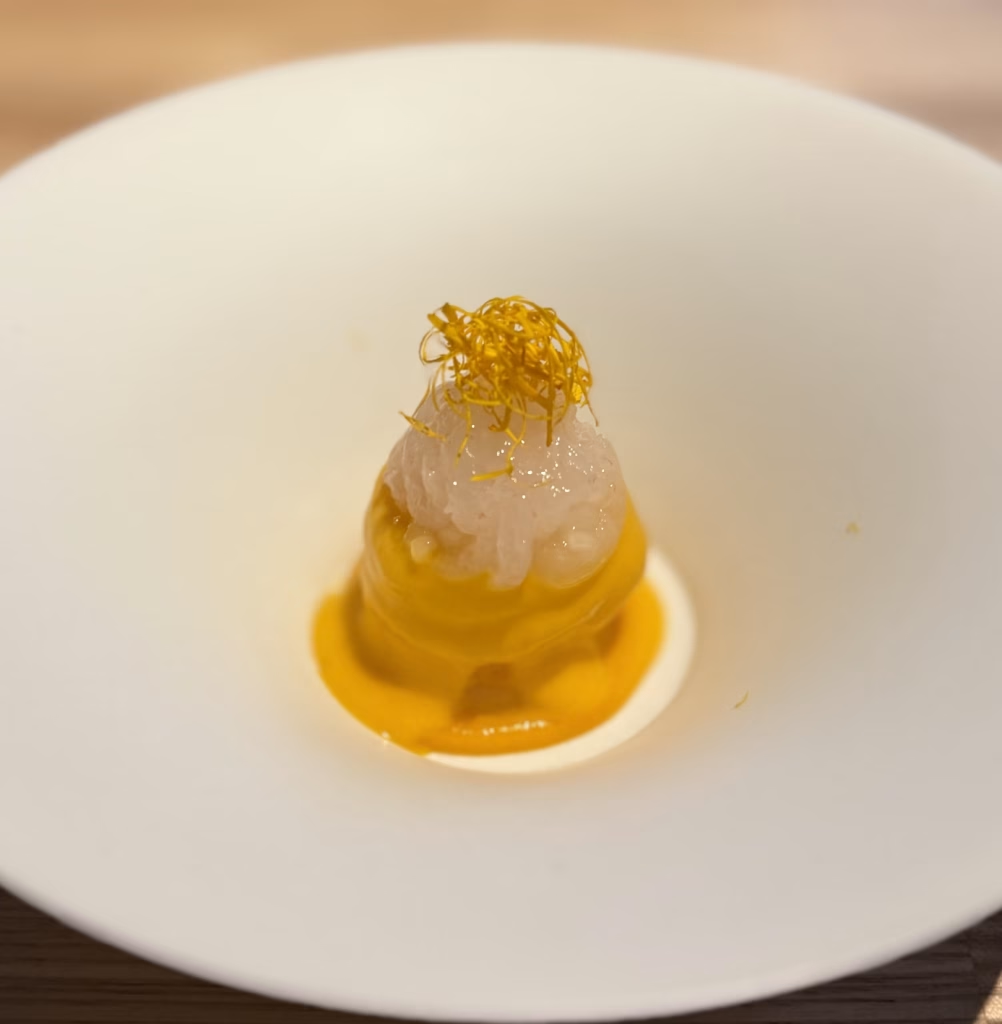
Squid|Squid
The "Xiangli squid" from Kanazawa is selected, and after three days of maturation, only the most delicate and sweet parts are taken. The taste is soft but elastic, without excess moisture.
The matching yellow sauce is made of banana pumpkin and yellow tomato, showing a warm sweet-sour balance; at the same time, the famous Japanese white shrimp is added as a salty support to make the overall flavor more three-dimensional. The top is dotted with finely chopped shrimp meat, allowing the seafood to unfold in the middle of the mouth, showing a delicate and restrained sense of balance.
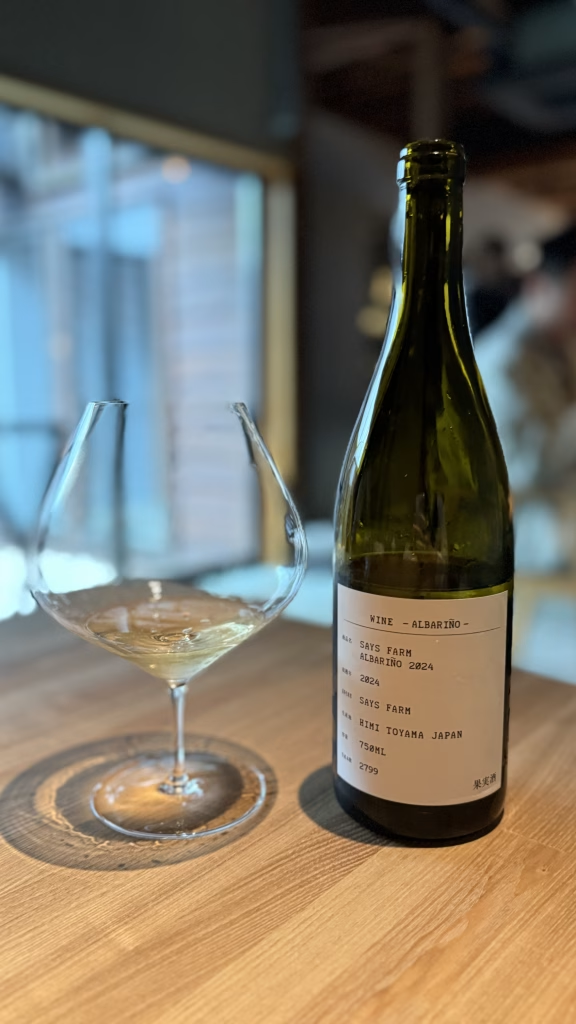
SAYS FARM|Albariño 2024 (Toyama-Hakimi)
SAYS FARM is located on A small hill in Bingmi City, Toyama Prefecture, with a long view of Toyama Bay and Tateyama Lianfeng. This is a winery that has taken "table wine" as its core thinking from the beginning.
The aroma of Albariño in 2024 is very distinctive, with white peaches and pears, with a little tropical fruit outline, like freshly cut pulp. But the entrance is not sweet at all, but clean and neat, with a refreshing acidity, and a faint salty and mineral flavor in the finish.
When pairing the squid dish, the logic is very clear: the refreshing acidity of the wine supports the texture after maturation; the salty aftertaste makes the sweetness of the seafood appear more three-dimensional.
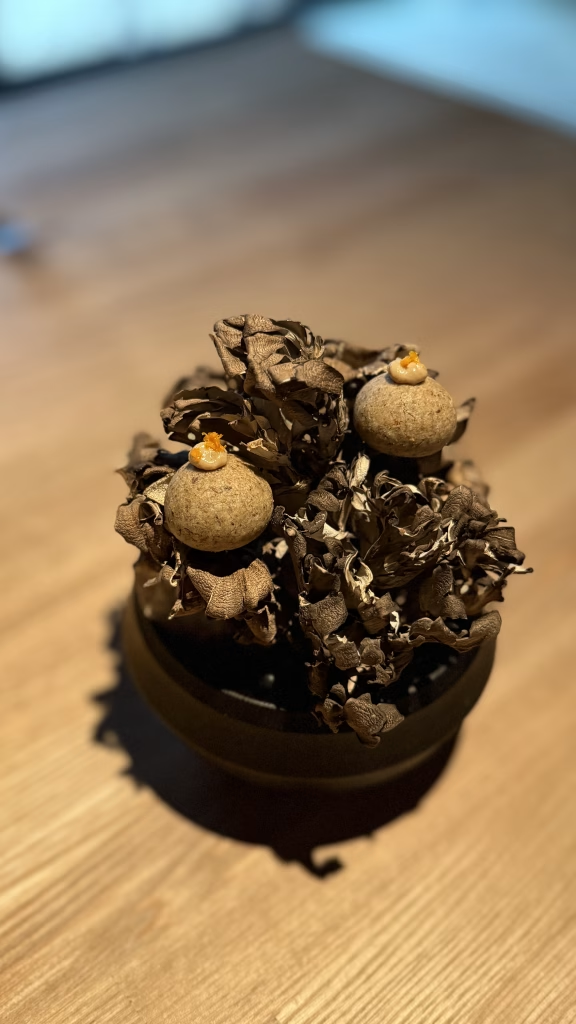
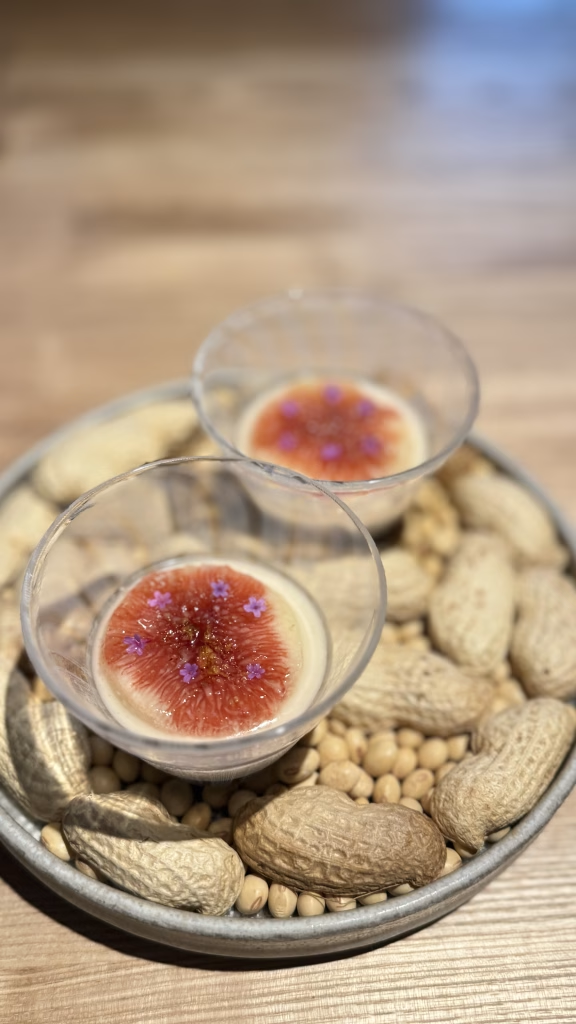
Maitake|Maitake Trilogy
Part 1|Maitake Shortbread
After grinding the dried maitake into powder, it is made into biscuits, and the aroma is highly concentrated. Spread the turkey liver sauce on top and add orange peel to increase the fresh citrus flavor. The dried maitake laid out at the bottom is only visually presented, so that the utensils and dishes form a complete composition.
Part 2|Mushroom Jelly Vinegar
A delicate white mousse made of peanuts, with a silky texture and natural sweetness, is topped with seasonal figs from northern Noto. The top layer is topped with kombucha fermented from peanut shells, which is slightly salty and fermented. The real key is hidden at the bottom-the fruit vinegar jelly made of maitake, which brings the whole back to the core of the theme, and the concept is exquisite and rich in layers.
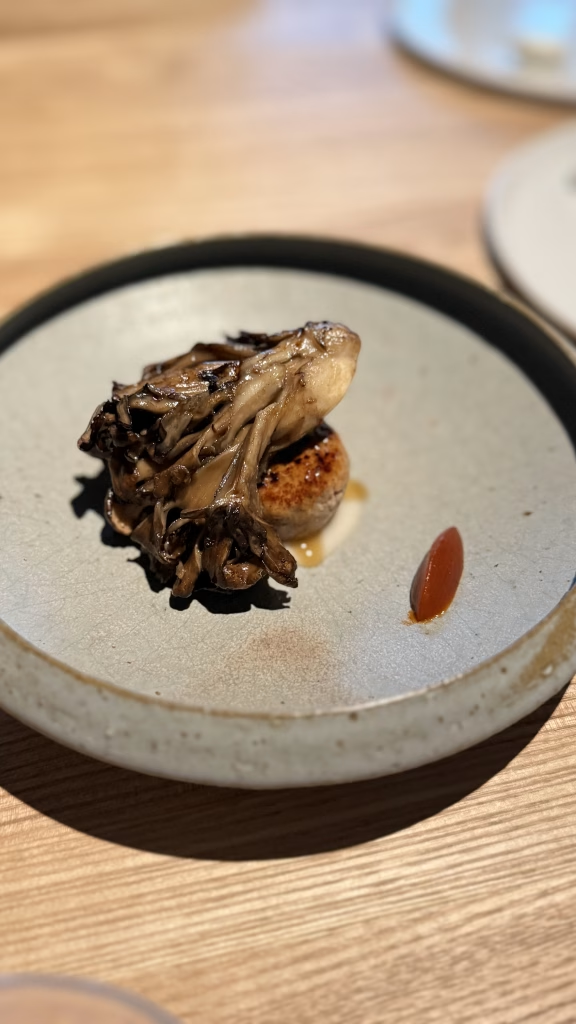
Part 3|Charcoal Maitake Main Course
Before serving, fresh maitake is specially displayed. It comes from the well-known Sano Field Farm in Ishikawa. It is cultivated with its own strains. The mushrooms are thick and fragrant. After roasting over charcoal, the aroma is completely released, and the "bread corners are remanufactured with miso" pickled to reflect the spirit of zero waste. Below is a meatball made of turkey meat and liver, accompanied by tomato red sauce, slightly sour with a spicy flavor, which is the end of the whole set of maitake chapters.
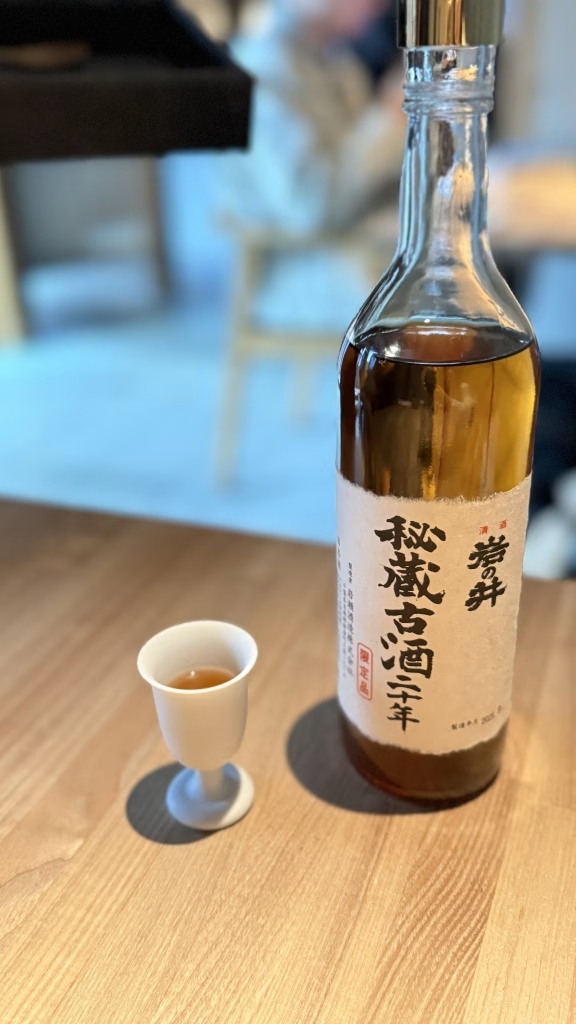
Guan Gu Brewing|Penglaiquan-20 Years of Hidden Ancient Wine
Twenty years of maturation have completely changed the outline of sake.
The color of the wine turns to dark amber, and the aromas are dried shiitake mushrooms, soy sauce, caramel, nuts, and even a little Shaoxing wine or old sherry-like oxidation.
The entrance is thick, the layers unfold layer by layer, and the sweetness has long since retreated to the background, leaving only the taste of purpose and bitterness stacked by time.
When paired with the first two courses of the Maitake trilogy, the effect is very wonderful.
The soil and forest atmosphere of mushrooms completely catch the maturation depth of the ancient wine;
On the contrary, it makes the wine cleaner and more three-dimensional to drink.
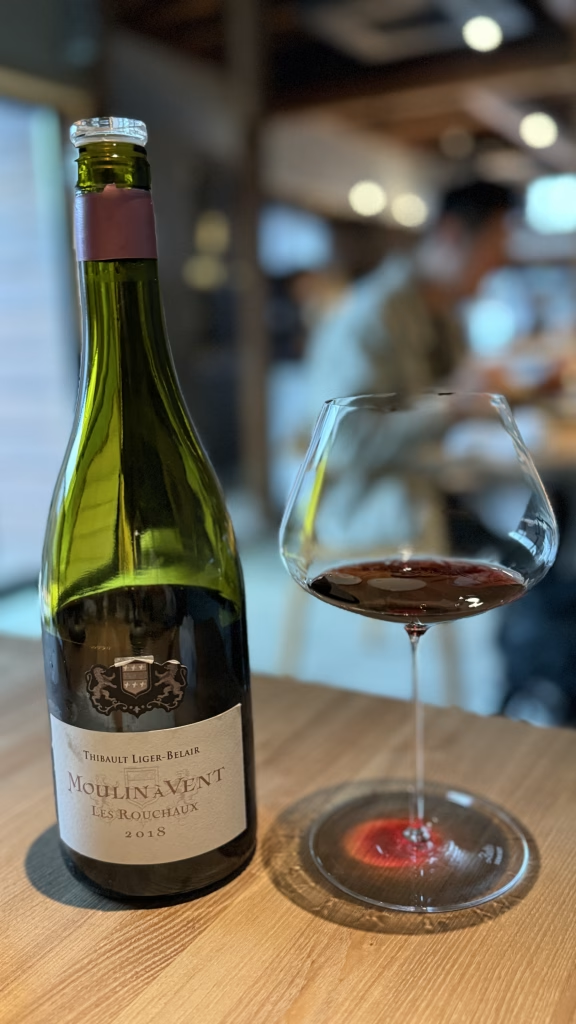
Thibault Liger-Belair|Moulin-à-Vent “Les Rouchaux” 2018
This Gamay is not public. The sweetness and sourness of the red fruit is very astringent, like red cherries and dried roses, with a little spice; the wine is not thick, but the lines are beautiful, the tannins are fine, and the acidity is stable.
When paired with the charcoal maitake main course, it looks particularly in tune.
The nutty fragrance and dry forest scent brought out by the charcoal fire make the acidity of the red fruits in the wine more layered; the delicate tannins and mushroom fibers make the whole look elegant and complete.
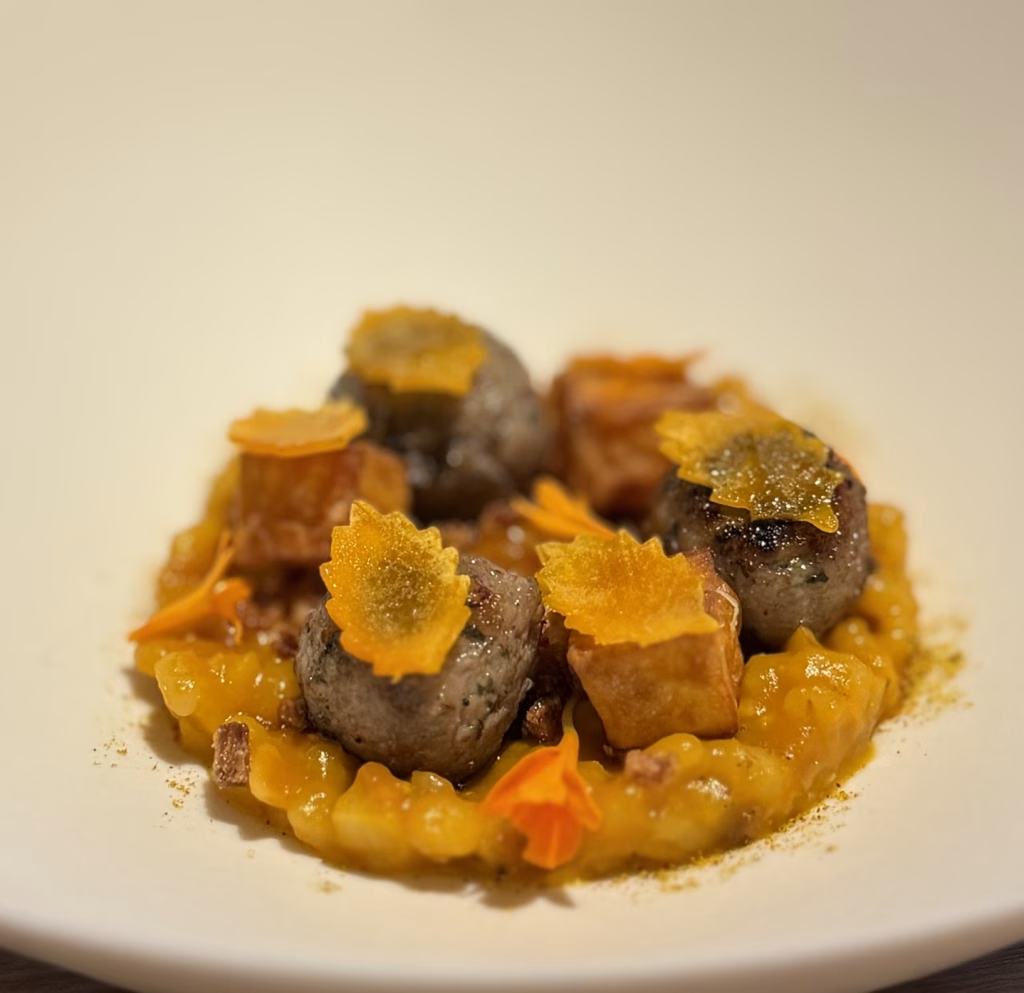
Pumpkin|Pumpkin and Barley
The main body is Kanazawa local pumpkin, which is presented in the form of rice stew, but the rice grains are not white rice, but waxy barley, which has a more chewy taste and is closer to the atmosphere of the land.
Paired with lamb balls from the mountains, barbecued with firewood to bring out the smoky aroma; in addition, it is accompanied by fried pumpkin in the shape of leaves to form a contrast between taste and aroma. The overall appearance is strong autumn, warm and thick.
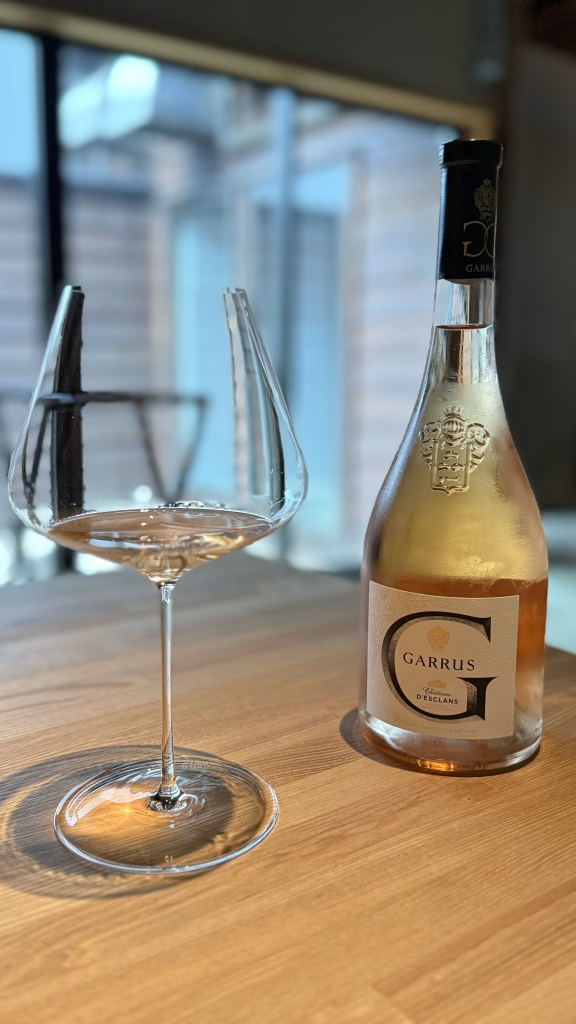
Château d’Esclans|Garrus Rosé
Pumpkin risotto is a dish that is very picky about wine: the starch and creamy texture bring thickness, and the pumpkin itself has a natural sweetness and roundness after maturation.
If the wine is too light, it will be swallowed up by the whole plate of rice;
The wine was too heavy, and it seemed to be too hard.
The ripe fruit, light vanilla and oak structure of Garrus Rosé just support the weight of the risotto, while the clear acidity keeps the sweetness of every bite of pumpkin clean, not greasy and not dragging.
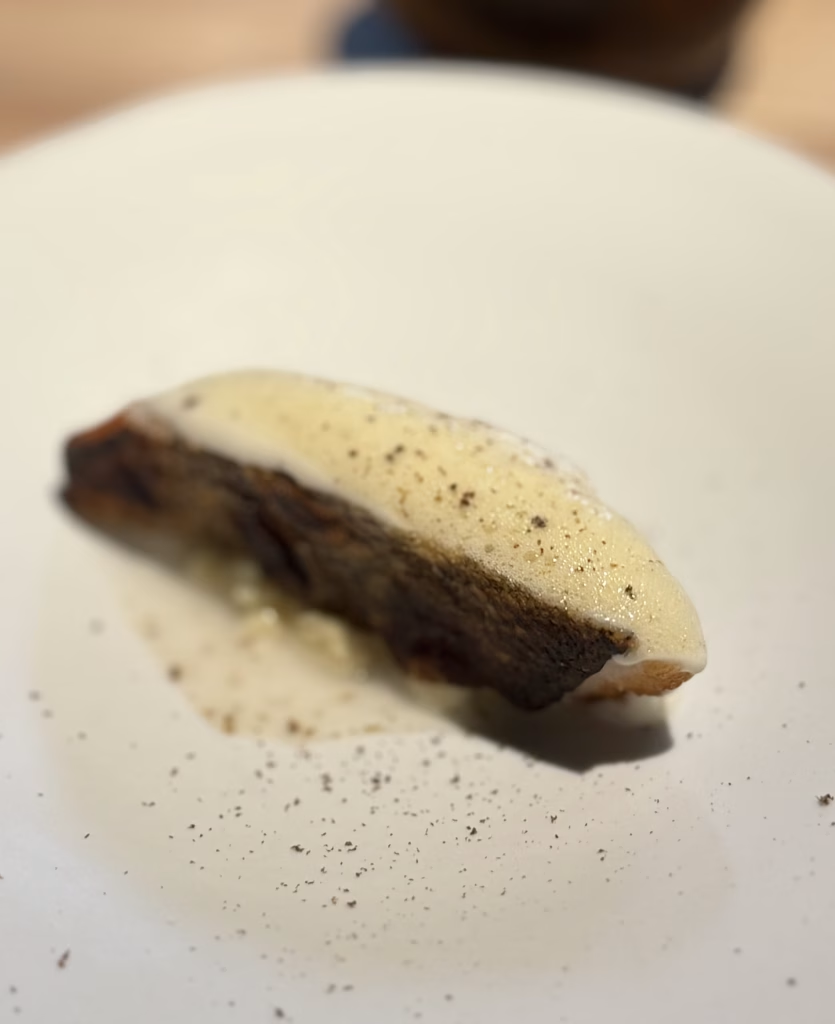
Shirosoi|White Soi Fish
Choose white Sauy fish (white rock fish), fry the skin until golden and crispy, and keep the inside tender and juicy.
The sauce is inspired by the "Fufu" of northern Spain. It does not use dairy products, but uses the natural flavors of water and fish to build the taste, making the flavor pure and deep. Match with cauliflower puree and seafood elements with grapefruit flavor to add a refreshing level. Finally, freshly ground charcoal-roasted green pomelo powder, its aroma is transformed into a deep fragrance similar to coffee and nuts after a long period of low temperature drying and carbonization, which draws a mature and restrained end to the whole dish.
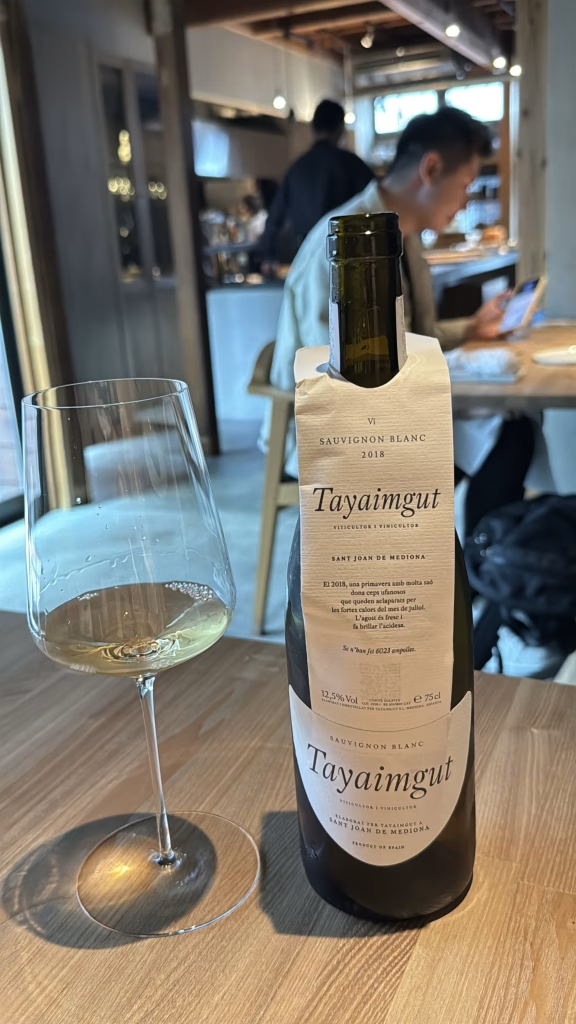
Tayaigmut|Sauvignon Blanc 2018 (Spain)
100% Sauvignon Blanc, dominated by citrus: grapefruit and lemon peel, accompanied by white pulp and a slight grassy scent, the style is direct and clean.
When paired with fish dishes that use Japanese citrus (such as grapefruit), the logic is very beautiful: the lemon and grapefruit aromas of the wine itself naturally amplify the level of grapefruit; the clear acidity cuts through the fish fat; there is no oak and sweetness interference, and it does not take away the protagonist of the dish.
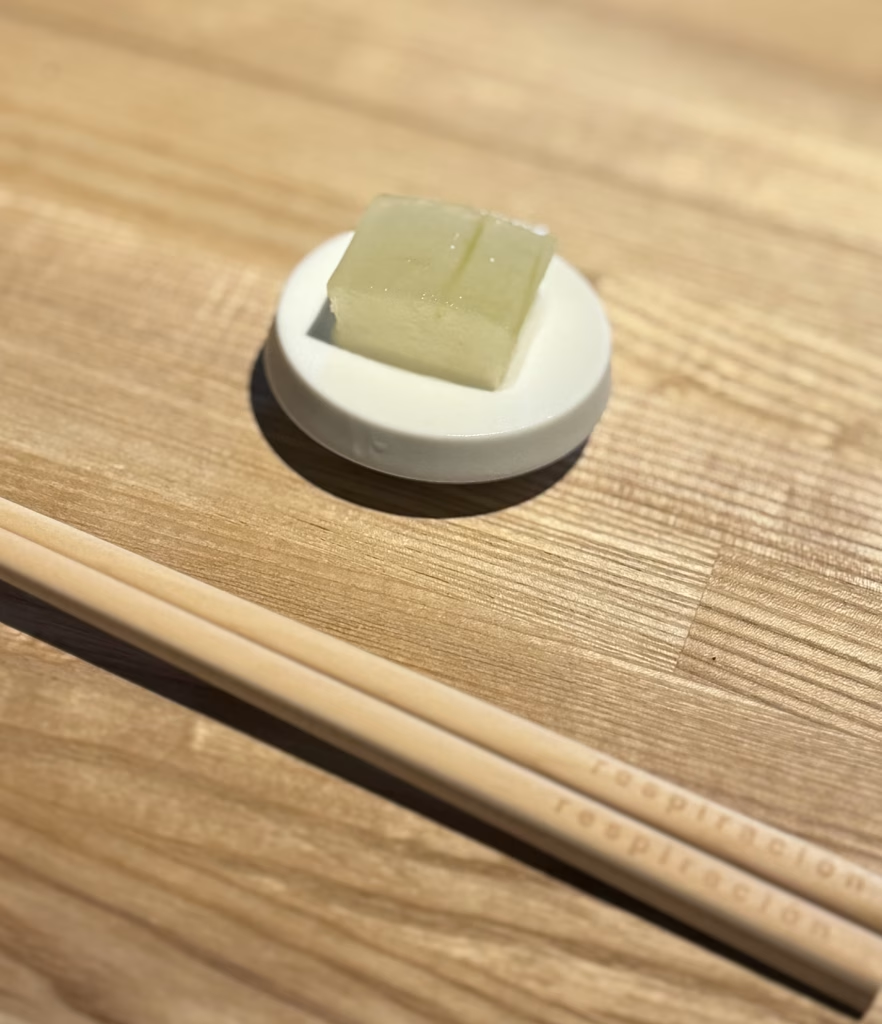
Clear mouth|winter melon
With winter melon as the main character, it is marinated in white wine and homemade syrup, then basil and titian are added, and then slightly frozen to give it a texture between smoothie and sorbet. The acidity is mild, refreshing and not greasy, as if returning the taste to zero.
The matching Noto fir chopsticks exude a natural woody fragrance, and can also be taken back as a souvenir to continue the memory of the meal.
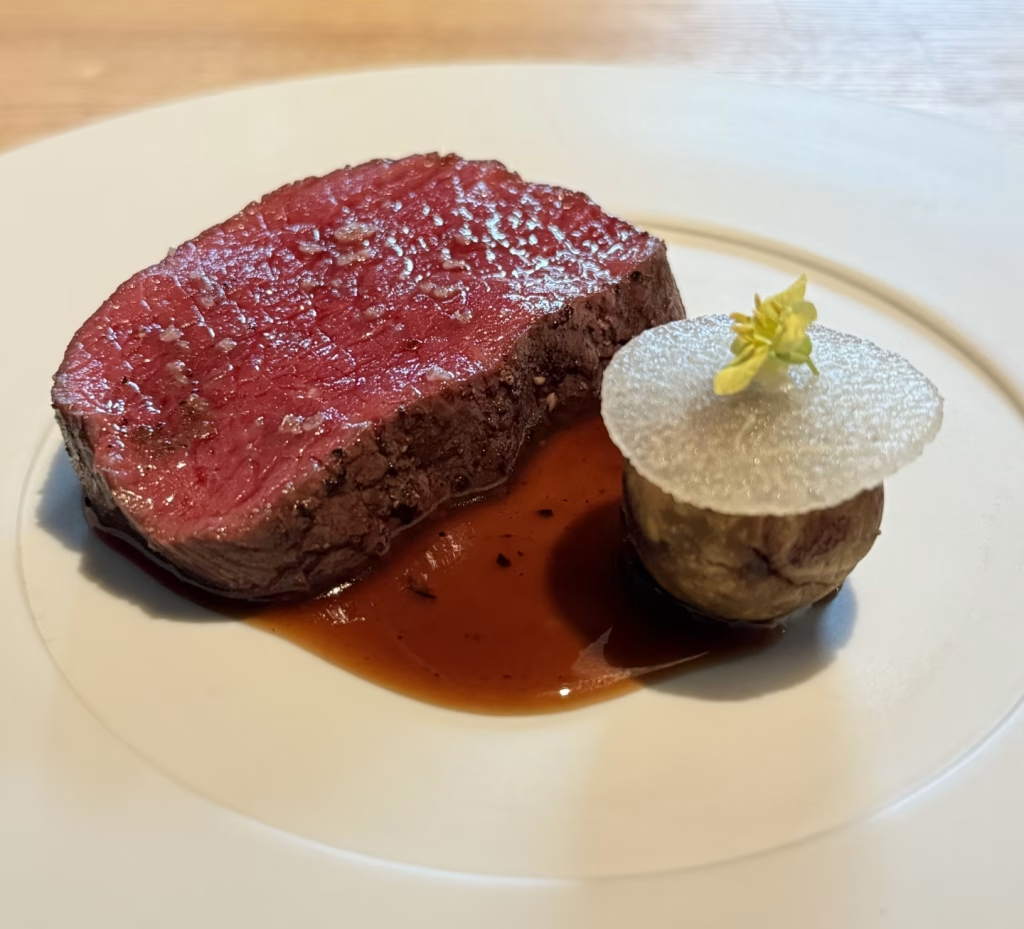
Venison|Venison
Hokkaido venison is selected, the maturity is accurately mastered, the meat is soft, with a natural blood fragrance but no fishy smell.
The sauce is slowly boiled with vegetable corners and deer bones, once again echoing the core spirit of the restaurant's "no waste". Paired with the pickles of mountain fruits, it brings out the acidity and wildness, making the flavor more three-dimensional and balanced.
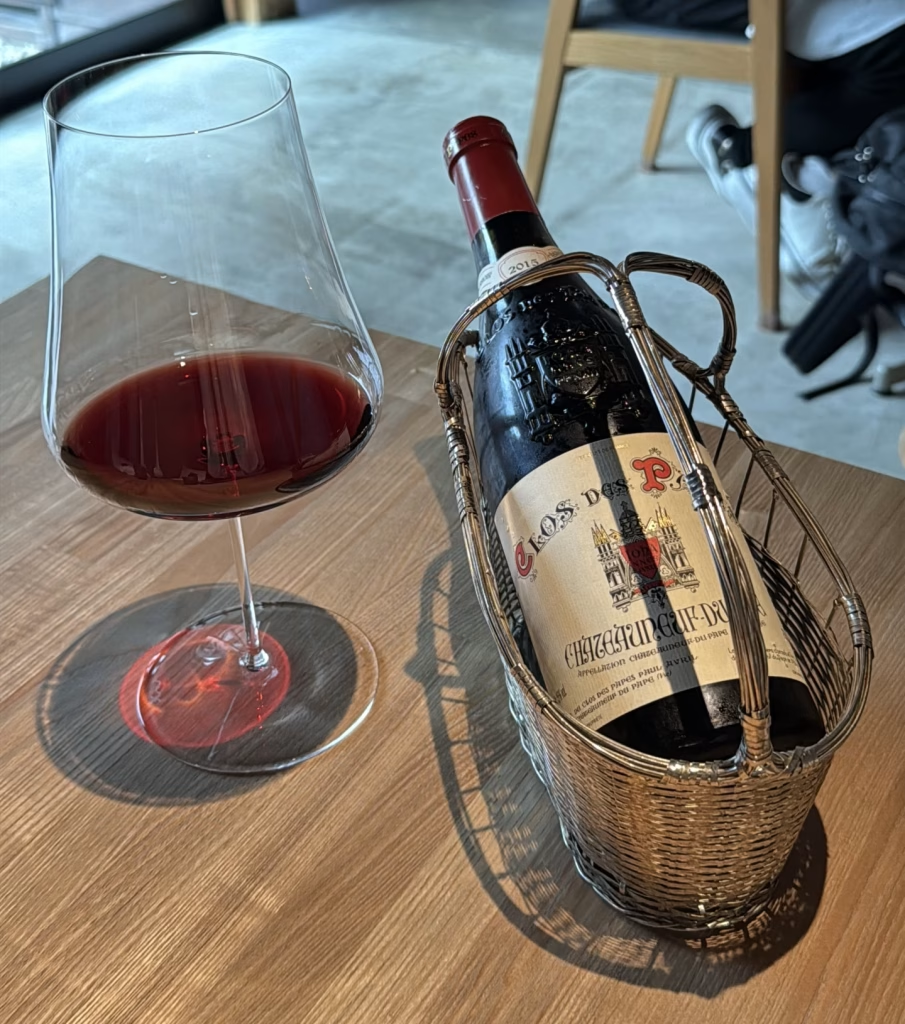
Clos des Papes|Châteauneuf-du-Pape Rouge 2015
The South Rhone River in 2015 was mature and complete. For wineries like Clos des Papes that value balance and aging potential, it is just in time to be able to match the main course with peace of mind.
The aroma is no longer young and fruity, but black cherries and dried plums, accompanied by dried herbs, bushes, pepper and leather.
The difficulty of venison lies in the dryness of the game flavor and fiber, and this wine is just the right medicine: mature tannins are coated with fiber, and the vanilla and wild flavor of the South Rhone River are in the same tone as venison. The weight of the wine is enough to undertake the main course without being eaten.
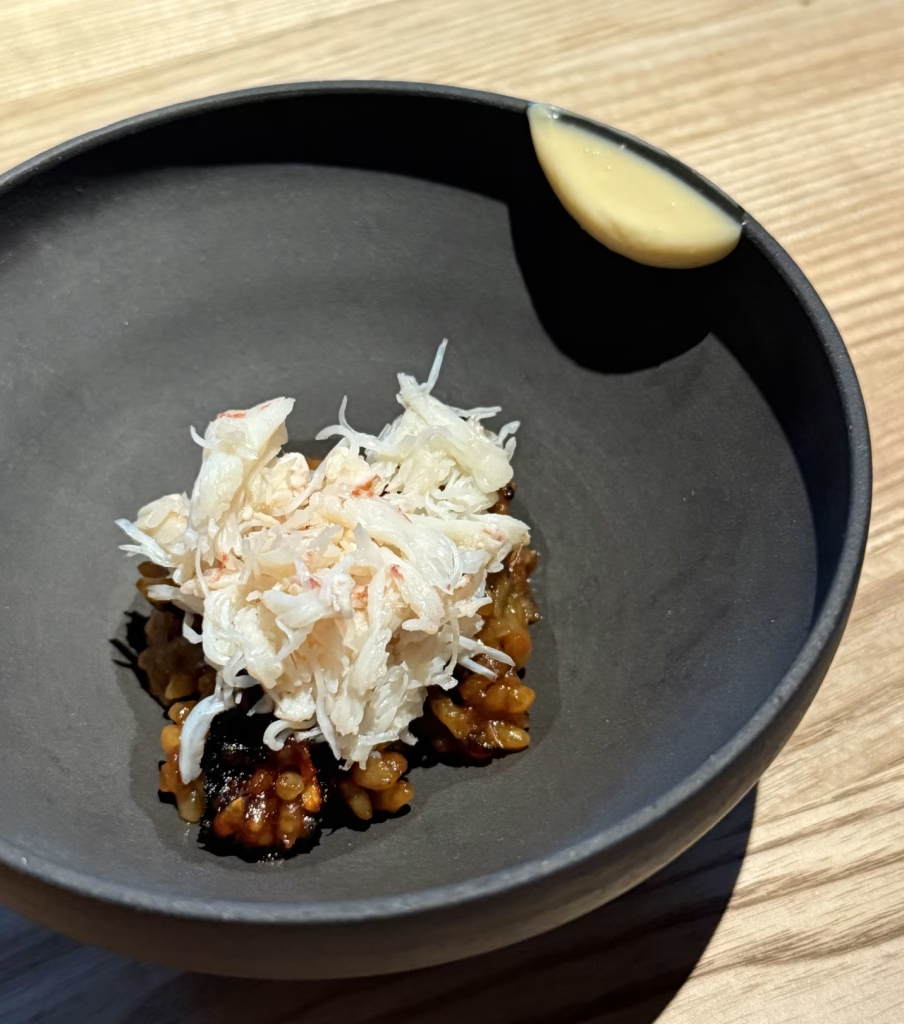
Paella|Hairy Crab Risotto
With Kanazawa hairy crabs as the main character, it is paired with garlic olive oil to make a slightly spicy Spanish risotto. The rice grains completely absorb the crab paste and garlic flavor, which are rich but not heavy, and the flavor advances layer by layer. It is a staple food that makes people unable to help but eat another bowl.
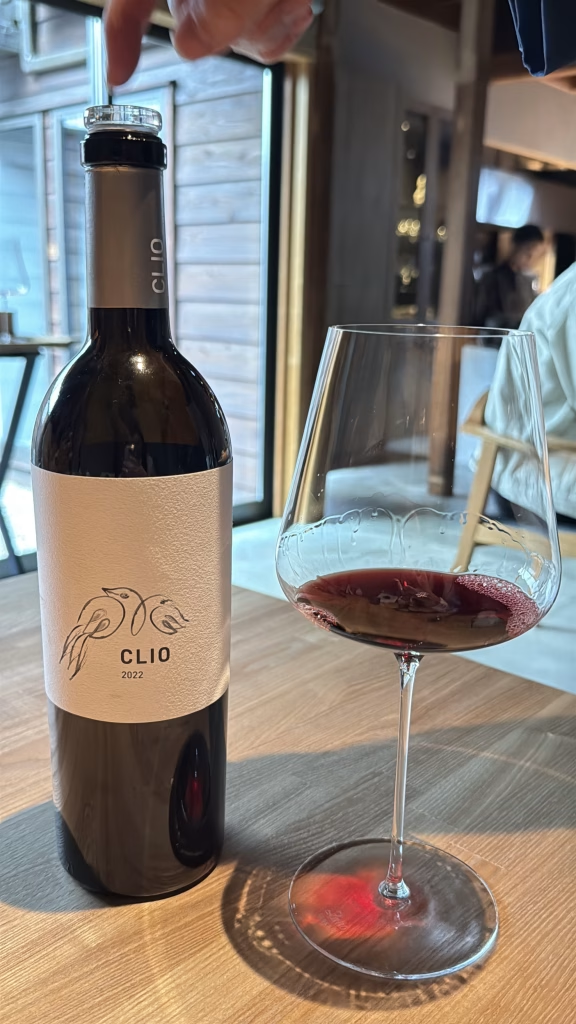
Bodegas El Nido|CLIO 2022(Jumilla)
Jumilla's old vine Monastrell has always been known for its ripe fruits and alcohol. CLIO 2022 shows ripe blackberries, black cherry jam, smoky, cocoa powder and leather, with round but not rough tannins.
When paired with hairy crab risotto, the mature fruity flavor of the wine forms a beautiful balance with the concentration of crab paste, making the whole dish appear more weighty and satisfying.
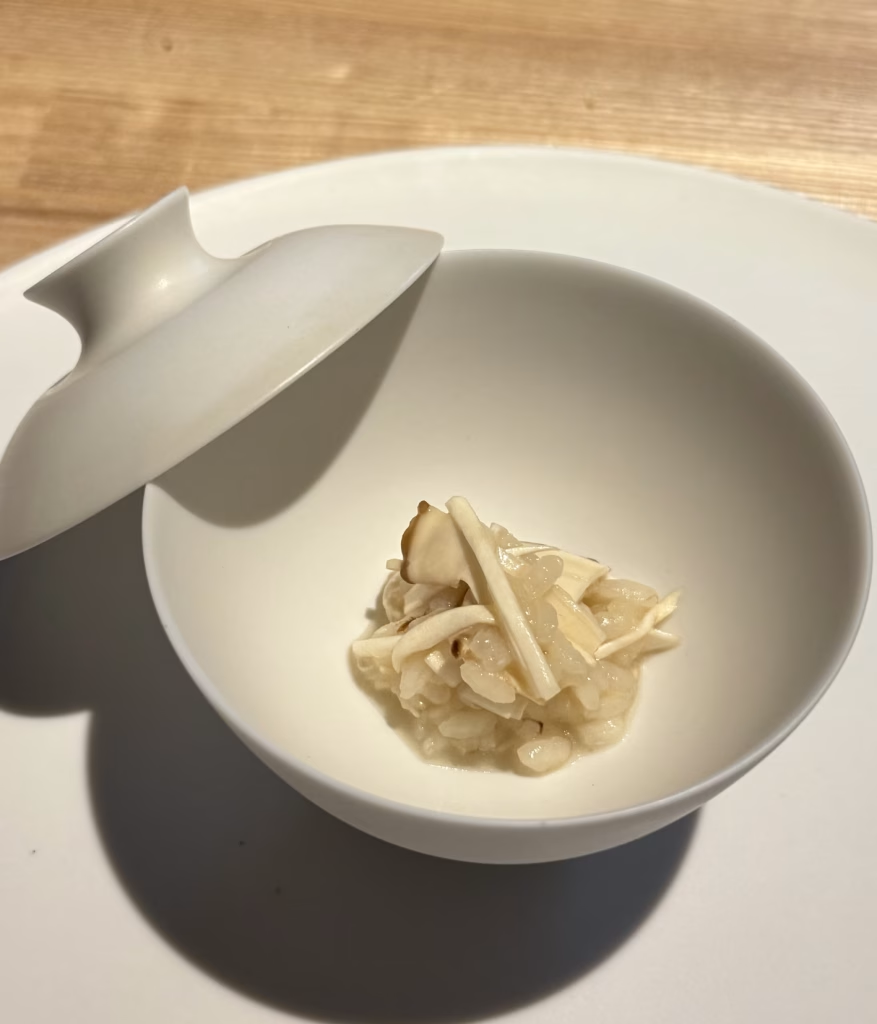
Hidden menu|Arroz Caldoso
Before entering the dessert, the restaurant will bring out a "hidden dish" that is not listed on the menu.
This soup-flavored Spanish rice dish is more moist than risotto. It is made impromptu according to the ingredients of the day and is available from time to time. Warm and soft, as a transition between salty food and desserts, it is clever and intimate, and it also shows the maturity of the kitchen's control of rhythm.
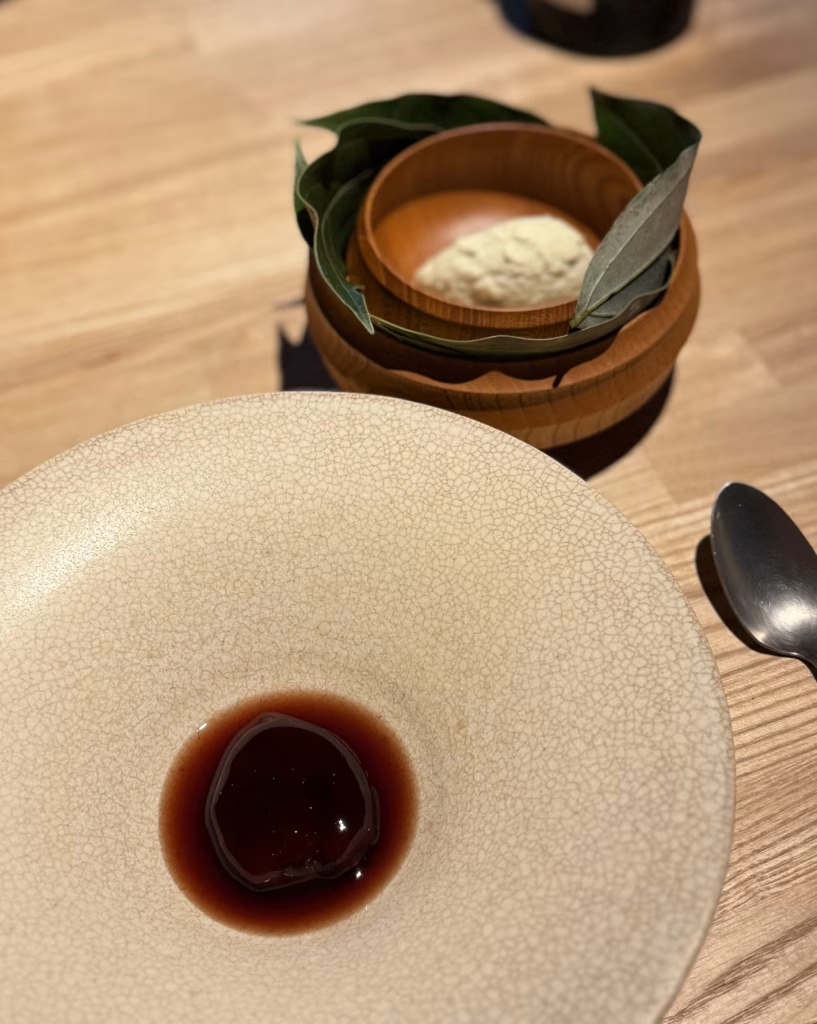
Fig|Fig Dessert
The first dessert is dominated by figs from northern Ishikawa. The fruit is stewed with red wine and roasted herbs and air-dried in the second half to concentrate the sweetness and deepen the level.
The central sauce is also based on red wine, with a deep aroma. Paired with ice cream made from fig leaves, the dried leaves have a bitter rhyme similar to matcha, while the fresh leaves have a fresh mint flavor. The two overlap to form a very tense aroma contrast.
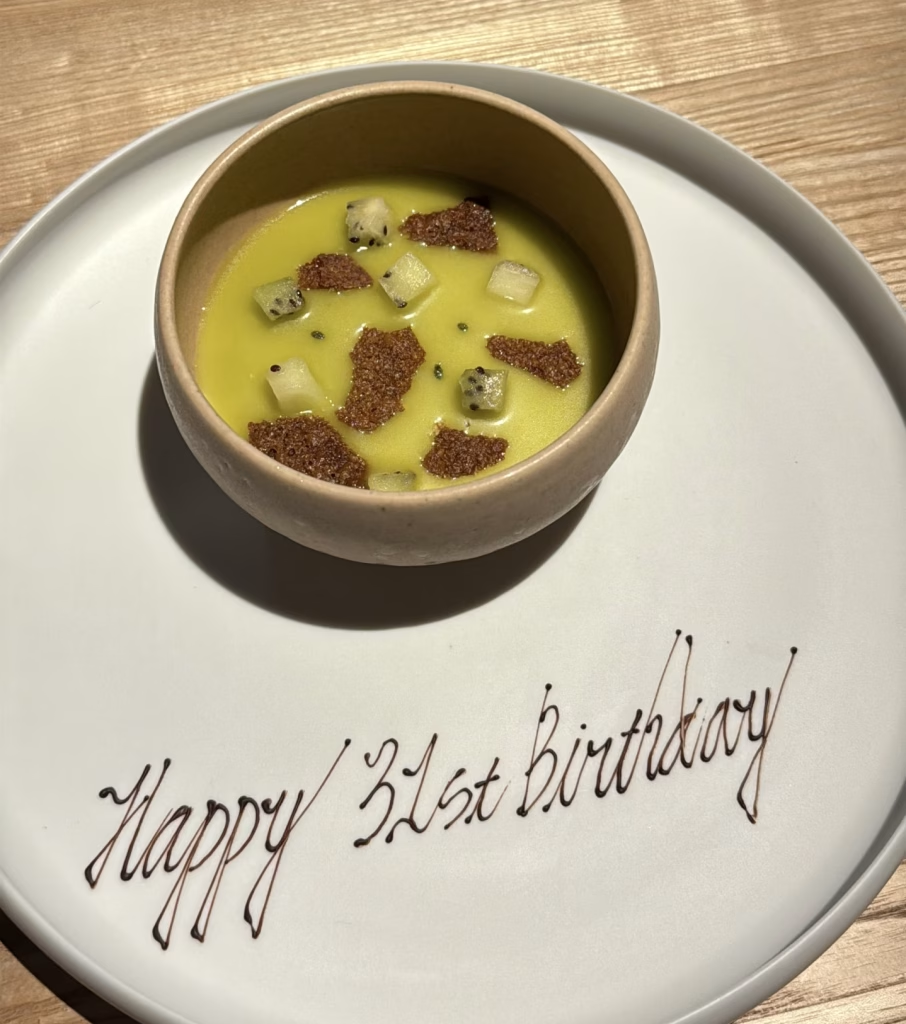
Cedar|Noto-sugi
In the end, the dessert uses "forest" as the closing image.
The green sauce made from Noto fir essential oil has a light texture and acidity after blending with Kombucha; it is combined with sour cream, matcha cream and lemon juice to form a three-layer flavor structure.
The top is decorated with frozen kiwi fruit, brown sugar jina sticks and fir buds to increase the taste level and forest atmosphere. The whole is both abstract and figurative, and it is a poetic summary of land, time and fermentation. When serving, the restaurant also offered me special birthday wishes, and the audience clapped their hands to leave a warm and unforgettable end to this meal.
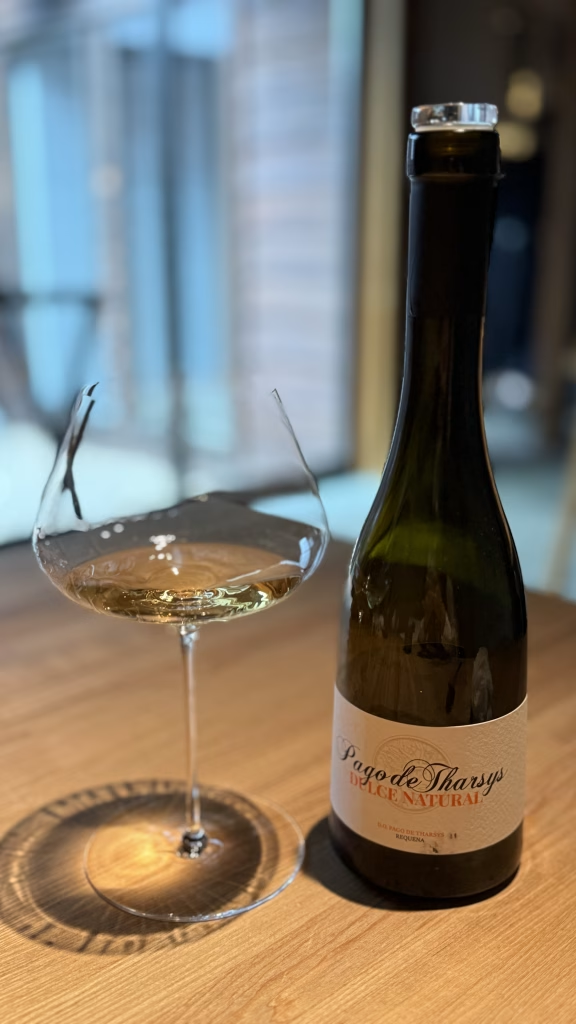
Pago de Tharsys|Dolce Natural(Valencia)
As the final finishing touch, the Valencian liqueur brings ripe white peaches, dried apricots, honey and orange blossom aromas, with a little Mediterranean herbs and citrus peel.
The sweetness is clear, but the acidity is not complete. It is paired with two desserts, figs and Noto-sugi. It is just right, not procrastinating and not greasy, so that the whole meal ends in a light and long rhythm.
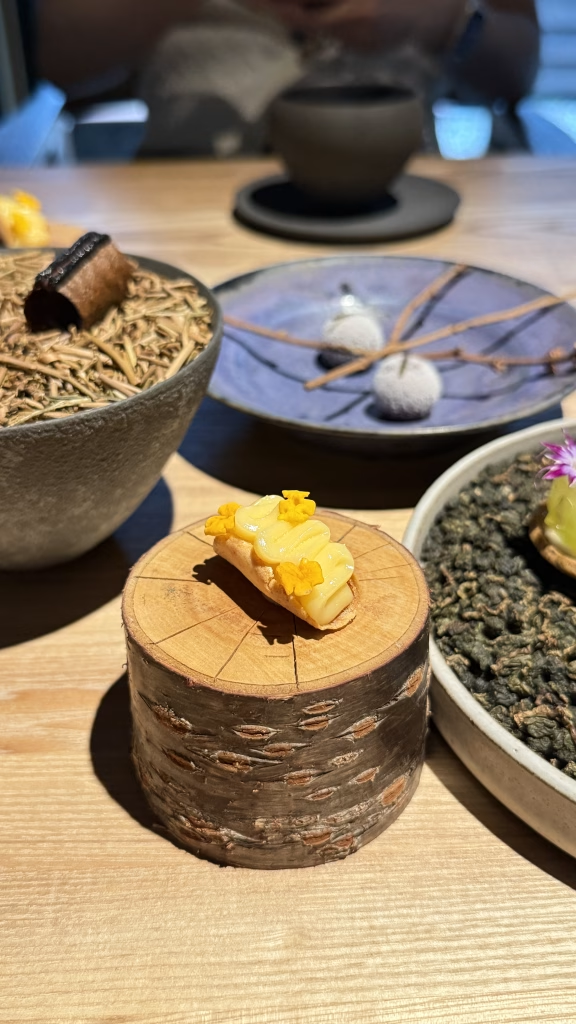
Herbal tea and Petit Four
Finally, it ends with herbal tea, which is also narrative and layered in itself, not just a finishing drink.
Matching dots include:
1. Frozen blueberries, filled with fermented blueberry jam, mixed with local honey, kombu and sherry
2. Potato tower, filled with honey cream and homemade cream
3. Qingwang musk grape tower, the tapi is made of grape skins, and the upper layer is paired with Taiwanese tea and lemon basil jelly
4. Black dim sum, wrapped in black sesame sauce and orange aroma with Kanazawa specialty stick tea dough
As the end, this group of Petit Four once again responded to respación's respect for land, fermentation and time, and also drew a quiet and long end to the entire banquet.
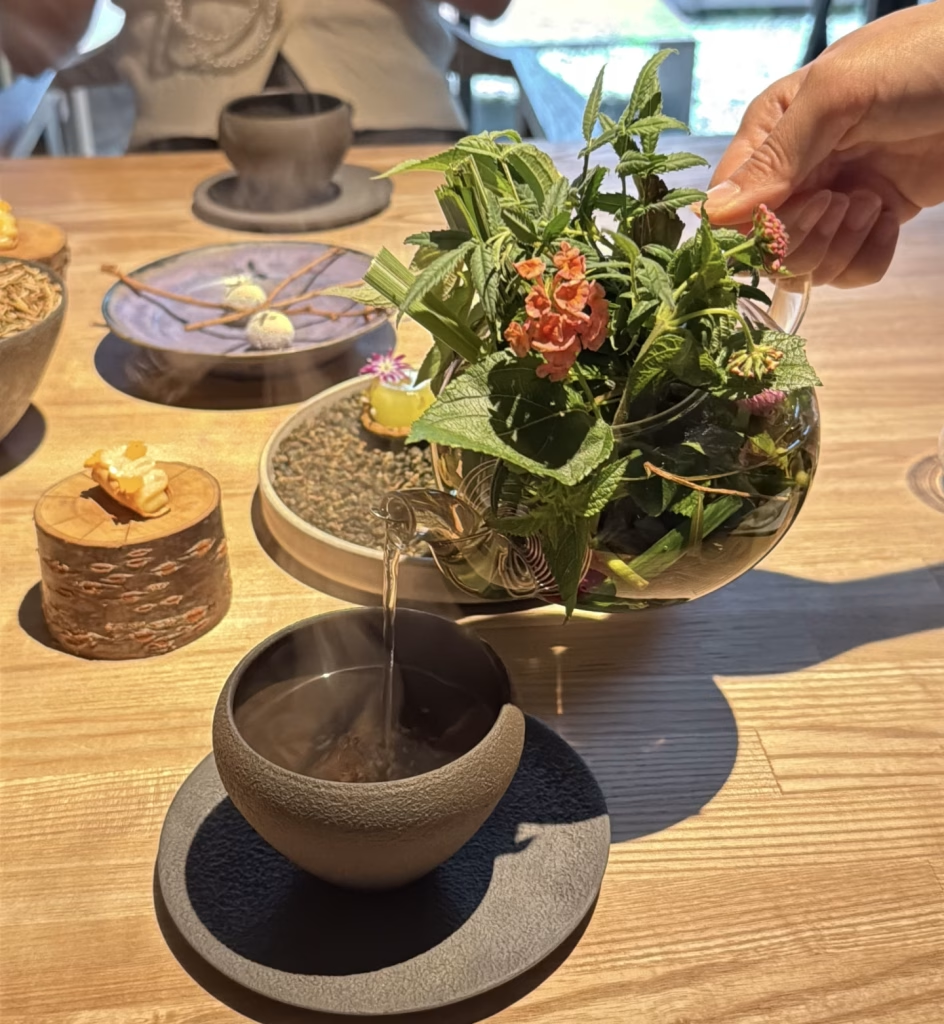
Meal and wine pairing
In respación, wine is not a supporting role, but a part of the narrative that breathes with the food and completes the narrative together.
And this kind of pairing is exactly the form that I think is most worthy of being remembered.
Final Thoughts
Worthy of being recognized with two Michelin stars and a green star at the same time, respiración shows a rare degree of integrity, from the machiya architecture that carries history, the in-depth understanding of Ishikawa terroir, to the high awareness of fermentation, recycling and zero waste in cooking, every level echoes each other, notEach is divided into its own government. This is not just a well-eaten banquet, but also a carefully thought-out diet system.
In particular, it is worth mentioning that the pairing of food and wine is not just a safe or pleasing choice, but truly participates in the narrative of the cuisine, amplifying the flavor level at key nodes, making the overall experience more three-dimensional and smooth. If you visit Kanazawa, respiration is not a "stop-by-eat" option, but a restaurant that is worth arranging time and adjusting your itinerary. Whether it is gourmets who are interested in contemporary cuisine, terroir performance, or sustainable eating, it is highly recommended to experience it for yourself.
Rating and Cost
- Price| 25,000 yen / person
- Rating: 10/10
🏠 https://www.instagram.com/respiracion_japan/
Restaurant information
- address:67 Bakuromachi, Kanazawa, Ishikawa 920-0903 Japan
- Reservation:https://tabelog.com/tw/ishikawa/A1701/A170101/17010732/
為 respiración 安排金澤行程時,住宿可看 金澤訂房,前往北陸也別忘了 JR 北陸周遊券。(聯盟連結,不影響你的價格)
為 respiración 安排金澤行程時,住宿可看 金澤訂房,前往北陸也別忘了 JR 北陸周遊券。(聯盟連結,不影響你的價格)
What other restaurants in your mind are worth visiting especially for it?
This meal is fully self-financed.